Barcelona's public squares and boulevards serve as the city's living rooms spaces where locals gather, celebrate, and socialize. From the grandeur of La Rambla to hidden Gothic plazas, these spaces define Barcelona's urban character and street life.
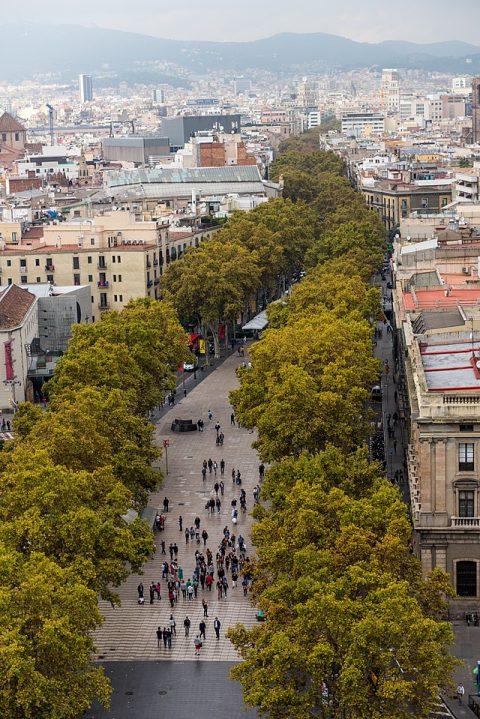
La Rambla
Barcelona's most famous boulevard, this tree-lined pedestrian promenade stretches 1.2 km from Plaça de Catalunya to the Mediterranean. Originally a seasonal stream, it evolved into the city's social heart. Street performers, flower stalls, bird vendors, and human statues create constant entertainment. The central walkway buzzes with energy while historic landmarks line both sides the Liceu opera house, La Boqueria market, and modernist buildings. While touristy, La Rambla remains essential Barcelona. Visit early morning to see it peaceful and authentic, or evening for people-watching energy. The southern end reaches the Columbus Monument and old port. Watch for pickpockets in crowds.
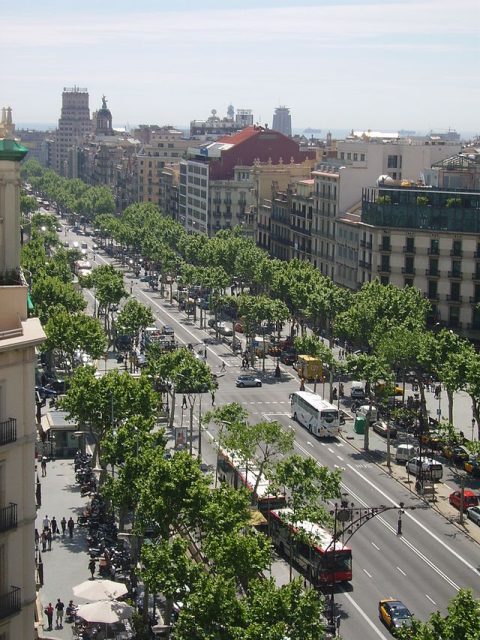
Passeig de Gràcia
This elegant modernist showcase avenue combines world-class shopping with architectural treasures. The boulevard features Gaudí's Casa Batlló and Casa Milà, plus buildings by other modernist masters, creating an open-air museum of early 20th-century architecture. Wide sidewalks with distinctive Gaudí-designed paving stones and bench-lampposts designed by Pere Falqués. International luxury brands occupy ground floors of historic buildings. The avenue epitomizes Barcelona's golden age when the bourgeoisie competed to build the most innovative mansions. Street lamps designed by Pere Falqués add decorative details. Daytime for architecture appreciation, evening for illuminated buildings and vibrant dining. Free architectural walking route maps available.
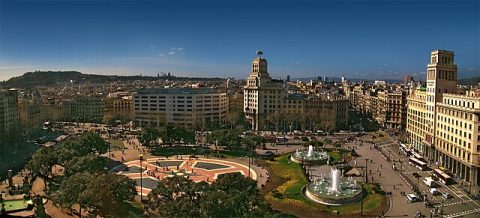
Plaça de Catalunya
Barcelona's central hub where the old city meets the Eixample district. This vast square connects major streets and serves as the primary meeting point. Surrounded by important buildings, department stores, and banks, it pulses with constant activity. Large fountains, sculptures, and abundant pigeons characterize the space. Multiple metro and bus lines converge here, making it the city's main transportation nexus. Street performers and events frequently activate the square. While not particularly beautiful, its centrality makes it unavoidable and useful for orientation. Tourist information offices provide maps and assistance. The square marks the start of both La Rambla and Passeig de Gràcia.
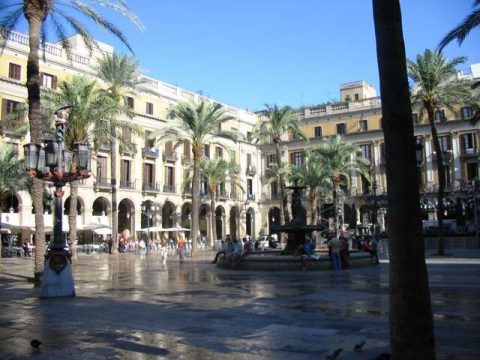
Plaça Reial
This elegant neoclassical square near La Rambla features arcaded buildings, palm trees, and Gaudí-designed lampposts (his first commission). Built in the 1850s on the site of a former convent, the symmetrical plaza creates a Mediterranean atmosphere. The central fountain and Three Graces sculpture anchor the space. By day, cafés with outdoor seating attract tourists; by night, the square transforms into a vibrant nightlife center with bars and clubs. Sunday stamp and coin markets appeal to collectors. The architectural unity and enclosed feeling make it one of Barcelona's most photogenic squares. Great for evening drinks and people-watching.
Plaça Sant Felip Neri
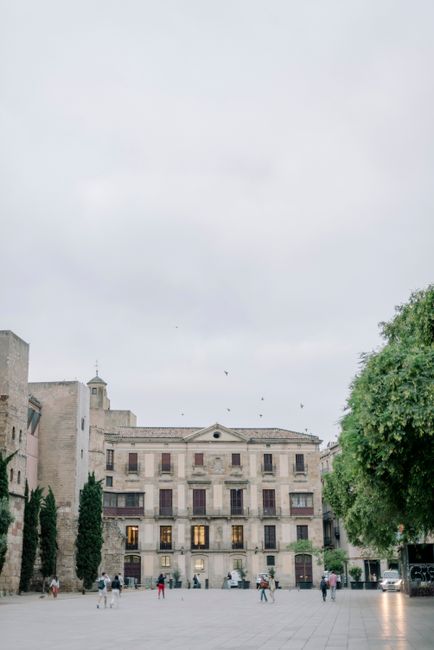
Hidden in the Gothic Quarter, this small, atmospheric square offers tranquil escape from bustling streets. The baroque church façade bears shrapnel damage from Spanish Civil War bombing, serving as a poignant historical reminder. The quiet square, with its central fountain and medieval architecture, feels secret and timeless. Narrow streets provide limited access, preserving its peaceful character. The former Shoe Museum closed its Sant Felip Neri premises on 15 November 2015. Popular for wedding photos, the romantic setting has appeared in films. Visit for quiet contemplation and to appreciate how Barcelona rewards exploration beyond main thoroughfares. The surrounding medieval lanes are equally charming.
Tips for Squares & Streets
- Stay alert for pickpockets on La Rambla and crowded areas, especially at night
- Explore squares early morning or late evening to experience them like locals
- Many squares host markets, festivals, or events check local schedules
- Side streets often hide more authentic experiences than main boulevards
- Cafés with square views are perfect for relaxed people-watching over coffee or wine