Plan your trip to Corfu
- How long
- 3-4 days: Corfu Town (UNESCO), the fortresses and Achilleion, plus beaches and Paleokastritsa.
- Best for
- Beach and old-town lovers: a Venetian-British-Greek town, green hills and turquoise coves.
- Skip it if
- You dislike crowds: August is very busy, and some beaches are crowded.
If you only do three things
- Corfu Old Town and the Old Fortress.
- Achilleion Palace and Kanoni.
- Paleokastritsa for its bays and monastery.
A one-day route
- Morning: The Old Fortress and Liston.
- Midday: Lunch in the old town.
- Afternoon: Achilleion or Mon Repos.
- Evening: Sunset at Kanoni or Paleokastritsa.
Before you go
- Corfu Airport is about 3 km from the old town; buses and taxis run to town.
- A rental car helps reach beaches.
- Ferries link Corfu with Igoumenitsa and Albania; check schedules.
- Check current ticket prices.
Prices, opening status and transport in this plan checked against official sources on 1 October 2026.
Things to do in Corfu
Corfu's most iconic structures reflecting centuries of Venetian, French, and British influence. These landmarks define the island's architectural heritage and offer glimpses into its complex history.
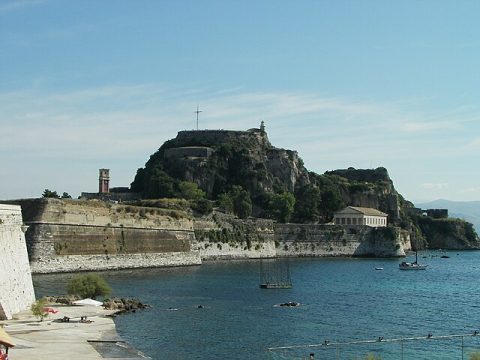
Old Fortress (Palaio Frourio)
A magnificent 16th-century Venetian fortress perched on a peninsula overlooking the old town. The fortress features two levels of fortifications with panoramic views of the Adriatic Sea. Inside, discover the Church of St. George and atmospheric casemates. The fortress is illuminated beautifully at night and offers exceptional sunset views. Allow 2-3 hours to explore all levels and enjoy the vistas.
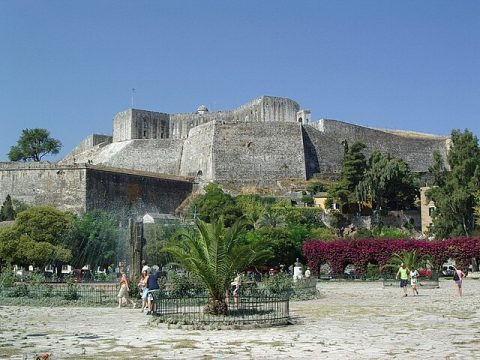
New Fortress (Neo Frourio)
Built by the Venetians in the 16th-17th centuries, this massive fortress dominates the harbor entrance. The intricate tunnel system and casemates tell stories of the island's strategic military importance. Accessible walkways allow visitors to explore the ramparts and enjoy harbor views. The fortress occasionally hosts cultural events and exhibitions.
Liston Arcade
A stunning Parisian-style colonnaded promenade built during the French occupation. This elegant arcaded street frames the Esplanade and features upscale cafés, restaurants, and shops. The architectural style is unique in Greece and creates a charming, cosmopolitan atmosphere perfect for evening strolls and people-watching.
Tips for Landmarks & Monuments
- Visit the Old Fortress at sunset for dramatic lighting and cooler temperatures
- Combine both fortresses in one day for a comprehensive military history experience
- Free entry to fortresses; small entrance fees apply
- Wear comfortable walking shoes for uneven terrain
Corfu's museums house treasures ranging from ancient artifacts to Byzantine mosaics and contemporary art. These collections provide context for understanding the island's diverse cultural influences.
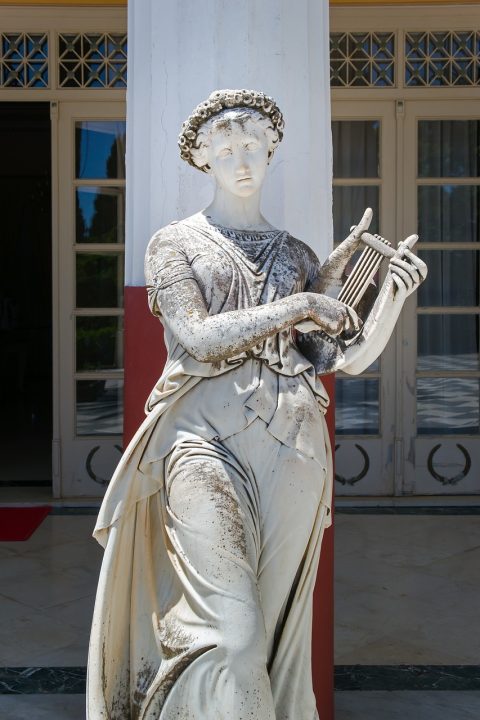
Museum of Corfu (Antivouniotissa Museum)
The museum is in the Church of Theotokos Kyra Antivouniotissa, which dates to the end of the 15th century., this museum It displays post-Byzantine religious art, especially icons.. The collection includes sacred art from various periods, religious vestments, and ecclesiastical treasures. The intimate church setting adds spiritual dimension to the viewing experience, making it one of Greece's finest religious art collections.
Byzantine Museum of Corfu
The Byzantine Museum is housed in the Antivouniotissa church; Corfu’s Byzantine collection is at the Old Fortress., this specialized museum showcases Byzantine frescoes, sculptures, and artifacts spanning from the 12th-15th centuries. Exhibits detail the island's Byzantine period with detailed explanations in multiple languages. The collection provides crucial understanding of Corfu's religious and artistic heritage.
Corfu Ceramics Museum
A unique museum dedicated to traditional Corfiot pottery and ceramic arts. Visitors explore the evolution of local ceramic traditions, from ancient pottery to contemporary works. Interactive displays and demonstrations showcase traditional pottery techniques. The museum gift shop offers authentic handmade ceramics.
Tips for Museums & Galleries
- Most museums close by 3 PM; visit early in the day
- Photography restrictions apply in some museums; respect local guidelines
- Combo tickets available for multiple museum entries
- Many museums offer guided tours in English for an additional fee
Corfu's churches and monasteries reflect the island's deeply spiritual traditions and architectural diversity. These sacred spaces offer peaceful retreats and stunning religious artwork.
Church of St. Spyridon
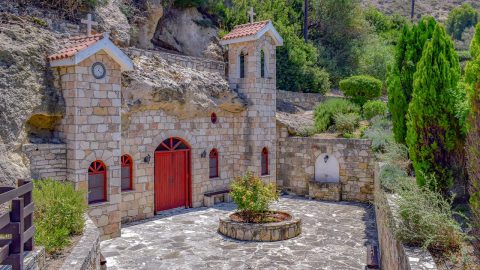
The holiest shrine in Corfu, housing the relics of Saint Spyridon, the island's patron saint. This 16th-century Venetian church features an impressive silver-plated sarcophagus containing the saint's remains. The interior displays exceptional frescoes and Byzantine mosaics. The annual procession of St. Spyridon's relics (Easter and November) attracts thousands of pilgrims.
Vlacherna Monastery
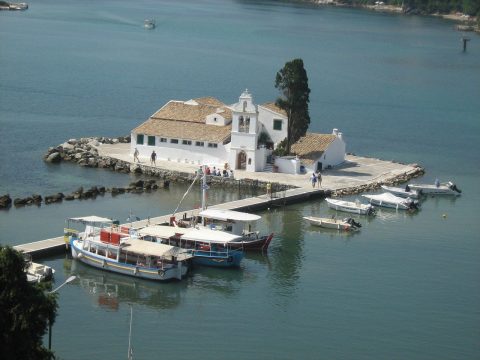
This iconic white monastery sits on a tiny island connected to the mainland by a narrow causeway. The serene waterfront setting and photogenic location make it Corfu's most photographed building. The peaceful interior monastery welcomes visitors. Best visited in the late afternoon for optimal lighting and fewer crowds.
Tips for Religious Sites
- Respect dress codes in active monasteries (cover shoulders and knees)
- Remove shoes when entering certain sacred areas
- Photography may be prohibited in some areas; seek permission
- Visit during morning hours for the most peaceful atmosphere
Corfu's ancient history spans from pre-classical periods through Byzantine times. Archaeological sites reveal the island's strategic importance throughout Mediterranean history.
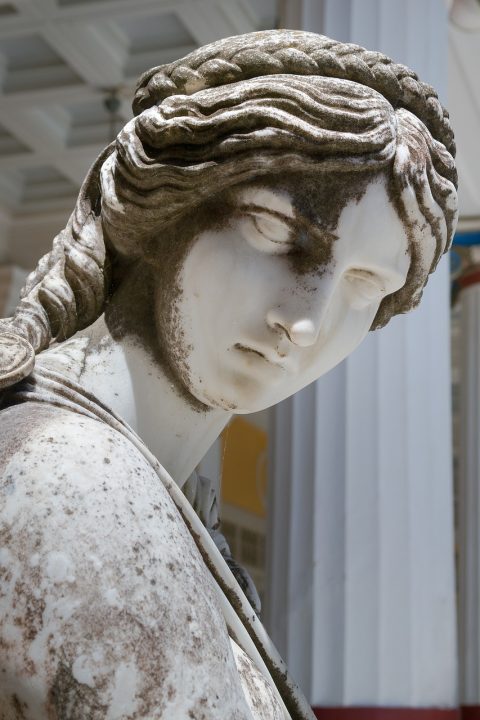
Achilleion Palace
A magnificent 19th-century neoclassical mansion built by the Austro-Hungarian Empress Elizabeth (Sisi). Due to restoration work, only the outdoor areas and Imperial Gardens are currently open to visitors, classical sculptures, and breathtaking gardens overlooking the Ionian Sea. The interior features marble staircases, frescoed ceilings, and period furnishings. The gardens combine formal European style with Mediterranean landscape.
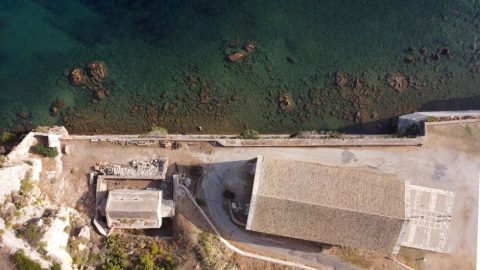
Kanoni Archaeological Site
An important archaeological location featuring remnants of ancient settlements and structures from various periods. The site overlooks the Vlacherna Monastery and Mouse Island. Interpretive signage explains the historical significance and excavation findings. The panoramic views combine natural beauty with historical depth.
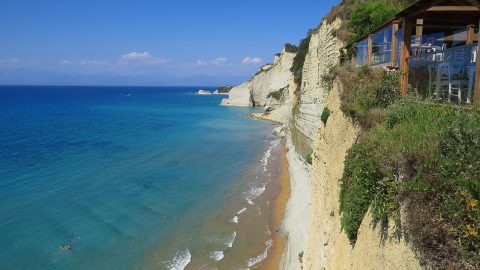
Kaiser's Throne Viewpoint
A scenic overlook where Emperor Wilhelm II of Germany allegedly sat to admire the sunset. Located near Pelekastritsa, this clifftop location offers dramatic views of mountains, olive groves, and coastline. The site captures the romance and natural splendor that attracted European royalty to Corfu.
Tips for Ancient & Historical Sites
- Book Achilleion Palace tickets in advance during peak season
- Combine Achilleion with nearby Pelekastritsa beach visits
- Kanoni is accessible by bus from town; parking is limited
- Visit palaces in morning hours for best interior photography and smaller crowds
Corfu's distinctive neighborhoods each possess unique character, architecture, and local flavor. Wandering these areas reveals the authentic heart of the island.
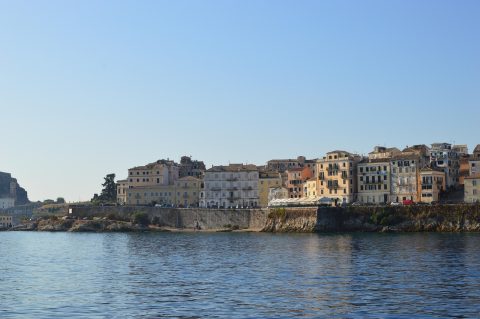
Old Town (Palaio Kastro)
Corfu's atmospheric medieval old town features narrow winding streets, Venetian-era buildings, and charming piazzas. Explore labyrinthine alleys filled with traditional tavernas, family-run shops, and authentic Corfiot life. The Spianada Square at the heart of the old town functions as the island's main gathering place. Every corner reveals architectural treasures and hidden cafés.
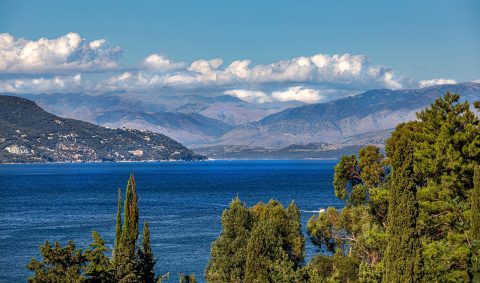
Venetian Port District
The picturesque waterfront area with Renaissance-era warehouses, restored mansions, and elegant promenades. This district showcases Corfu's maritime heritage and Venetian architectural influence. Waterfront tavernas and restaurants offer exceptional dining with harbor views. The area transforms beautifully at sunset when buildings are illuminated.
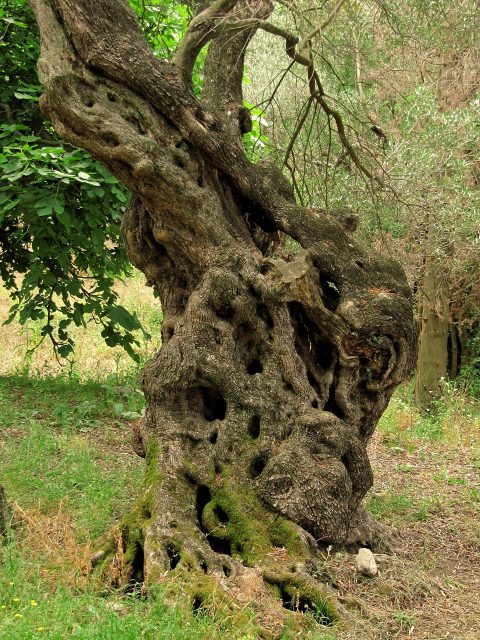
Garitsa Quarter
A charming residential neighborhood featuring elegant villas, tree-lined streets, and peaceful squares. Garitsa embodies Corfu's cosmopolitan heritage with diverse architectural styles. Small churches, local tavernas, and specialty shops characterize this relaxed area. The neighborhood feels authentically Corfiot without overwhelming tourist presence.
Tips for Neighborhoods & Districts
- Wear comfortable walking shoes; streets are cobblestone and sometimes steep
- Get intentionally lost to discover hidden piazzas and authentic tavernas
- Visit early morning for atmospheric photography with minimal crowds
- Many streets are pedestrian-only; perfect for unhurried exploration
Corfu's lush green spaces reflect the island's nickname as the 'Emerald of the Ionian.' These gardens and parks offer peaceful retreat and scenic beauty.
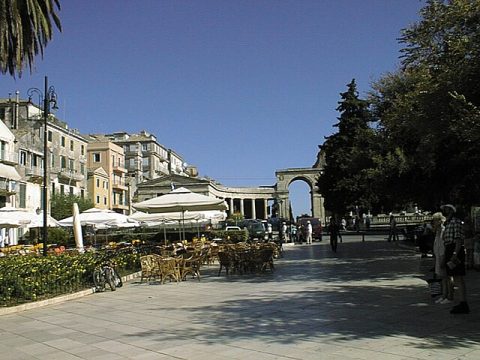
Spianada Square
It is commonly described by Corfu’s tourism authorities as the largest square in the Balkans. This vast open plaza features lush green lawns, tree-lined perimeters, and vibrant café culture. The square hosts festivals, military parades, and the famous cricket pitch. The surrounding Liston arcade creates an elegant frame for the expansive space.
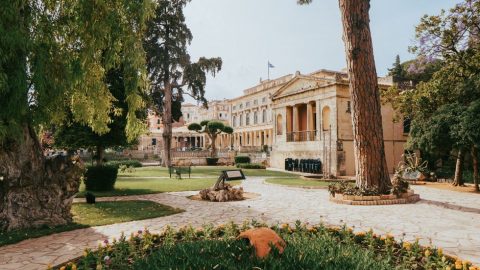
Mon Repos Palace Gardens
Extensive formal gardens surrounding the neoclassical palace, featuring classical sculptures, ancient ruins, and Mediterranean plantings. The grounds include walking paths through olive groves and pine trees with sea views. The gardens blend archaeological significance with horticultural beauty. A small museum within the palace explains the site's historical importance.
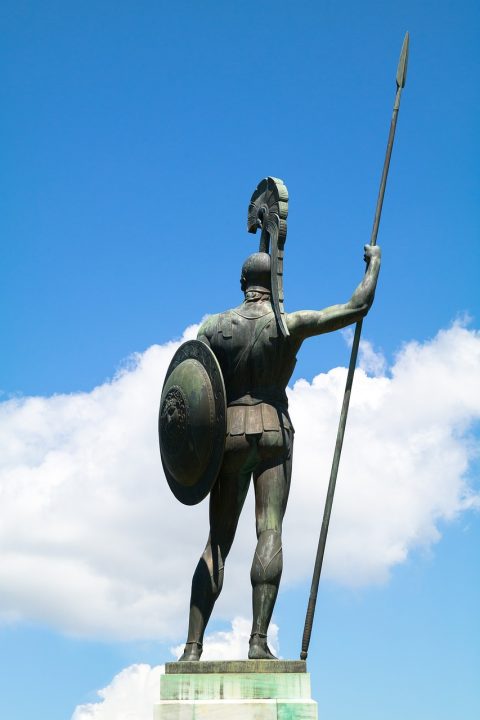
Achilleion Palace Gardens
Spectacular Italian-style formal gardens with classical statuary, cascading fountains, and panoramic terraces. The gardens showcase over 200 sculptures and feature manicured hedges, flowering plants, and Mediterranean herbs. Pathways wind through the landscaped grounds offering constant views of the Ionian Sea and Albanian coastline.
Tips for Parks & Gardens
- Visit gardens in spring (April-May) for optimal flowering and pleasant temperatures
- Bring sunscreen and water; shade can be limited in formal gardens
- Late afternoon visits offer best lighting for photography in garden settings
- The Spianada is perfect for evening strolls when temperatures cool
Corfu's diverse coastline offers everything from family-friendly sandy beaches to secluded coves and dramatic limestone cliffs. The temperate waters and Mediterranean charm make beaches year-round destinations.
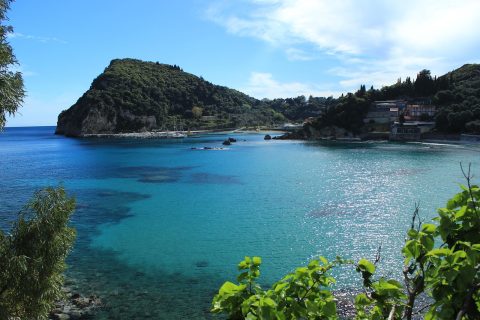
Paleokastritsa Beach
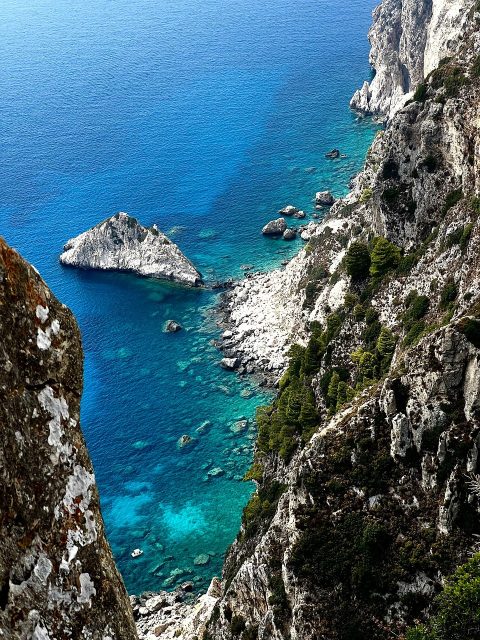
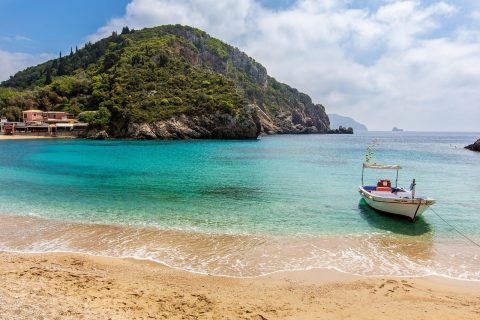
Corfu's most famous and scenic beach featuring dramatic limestone cliffs, turquoise waters, and pine-forested hillsides. Multiple small coves provide variety and protection from wind. The area offers excellent swimming, snorkeling, and water sports. Waterfront tavernas serve fresh seafood with expansive views. The beach combines natural splendor with accessible amenities.
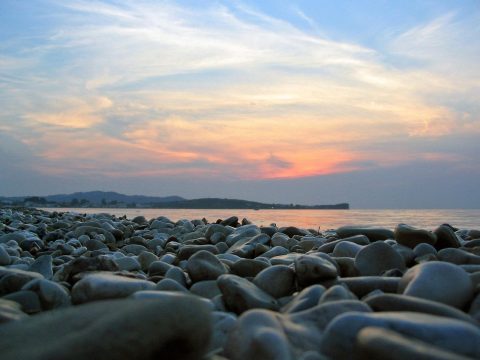
Glyfada Beach
A long sandy beach with clear waters and gentle slope, ideal for families and swimmers. The beach features tavernas, water sports facilities, and a relaxed atmosphere. Golden sand stretches for considerable length, accommodating crowds while maintaining peaceful sections. The setting combines accessibility with authentic Mediterranean charm.
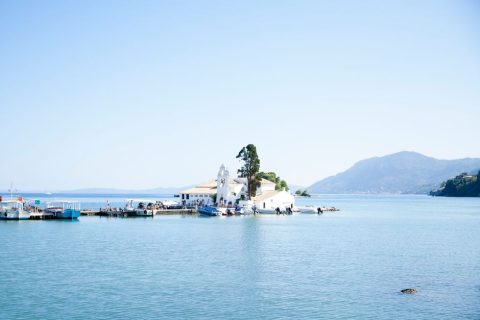
Kanoni & Mouse Island
A scenic coastal area featuring the iconic Vlacherna Monastery on a tiny peninsula and the even tinier Mouse Island accessible by boat. The Kanoni promontory offers stunning panoramic views combining ancient history with natural beauty. A 10-minute boat ride visits Mouse Island's charming chapel. The combined experience captures Corfu's essence.
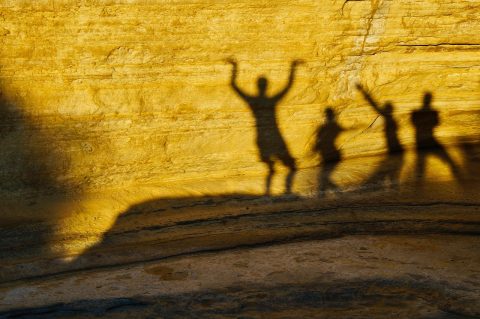
Sidari Beach
A unique sandy beach with natural rock formations and the famous "Canal d'Amour" narrow channel. The distinctive orange-hued sand and sculpted sandstone cliffs create photogenic landscapes. Snorkeling opportunities abound in clear waters. The beach maintains a more relaxed, less crowded atmosphere than Paleokastritsa.
Tips for Beaches & Coastal Areas
- Beaches are busiest July-August; visit shoulder seasons for fewer crowds
- Most beaches have lifeguards during summer months
- Bring your own snorkel gear or rent locally; visibility is excellent
- Beach tavernas offer reasonable prices; lunch by the sea is quintessential Corfu
- Sunsets are magnificent from western-facing beaches like Glyfada
Experience Corfu through guided tours, water sports, and adventure activities. These curated experiences provide deeper insight and exciting exploration options.
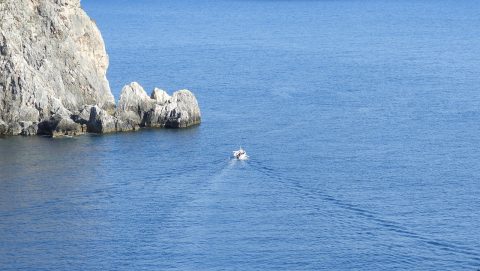
Boat Tours of the Ionian Sea
Full-day and half-day boat excursions explore Corfu's coastline, nearby islands, and sea caves. Tours typically include swimming stops, snorkeling opportunities, and beachside taverna lunches. Experienced captains share historical and geographical information. Options range from small-group intimate boats to larger tourist vessels with entertainment.
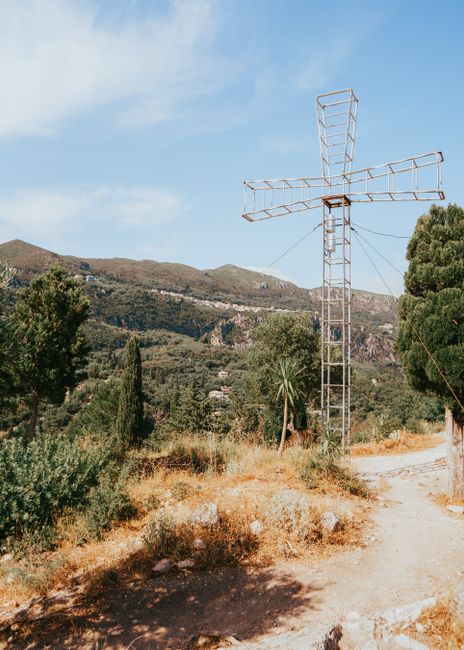
Hiking & Mountain Trails
Corfu offers varied hiking routes from easy coastal walks to challenging mountain climbs. Trails wind through olive groves, pine forests, and traditional villages with stunning views. Popular routes include Pantokrator Peak (highest point) and coastal cliff paths. Spring and autumn provide ideal hiking conditions. Local guides enhance the experience with ecological and cultural knowledge.
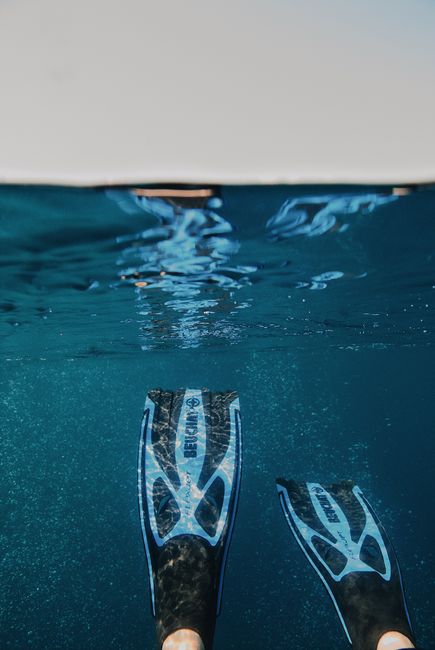
Water Sports & Diving
Experienced water sports centers offer windsurfing, kitesurfing, paddleboarding, and scuba diving. Corfu's clear waters provide excellent visibility for diving with diverse marine life and underwater rock formations. Qualified instructors accommodate beginners and advanced enthusiasts. Equipment rental and certification courses available at major beaches.

Traditional Cooking Classes
Hands-on culinary experiences teaching traditional Corfiot and Greek cuisine. Classes typically run 3-4 hours, including ingredient shopping at local markets, preparation techniques, and meal consumption. Expert chefs share family recipes and culinary traditions passed through generations. Classes often conclude with wine pairings and cultural discussion.
Tips for Tours & Activities
- Book water-based activities in advance during peak season
- Bring reef-safe sunscreen to protect marine ecosystems
- Most boat tours include light meals; inquire about dietary accommodations
- Mountain activities require decent physical fitness; start with easier routes
Explore beyond Corfu with convenient day trips to nearby islands, mainland destinations, and regional attractions. These excursions expand your Mediterranean experience.
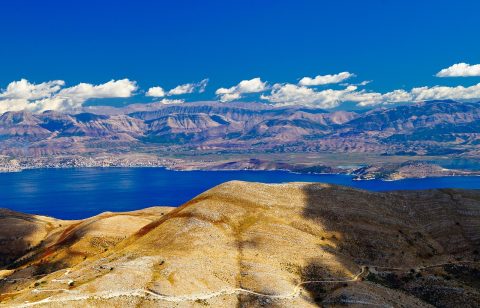
Albania Excursions
Day trips to Albania's Saranda (about 30-60 minutes by ferry) reveal a fascinating neighboring culture. Visit Ottoman-era castle ruins, ancient archaeological sites, and charming waterfront villages. Albanian cuisine and hospitality offer unique contrasts to Greek traditions. Organized tours handle logistics, documentation, and guided exploration of historical sites.
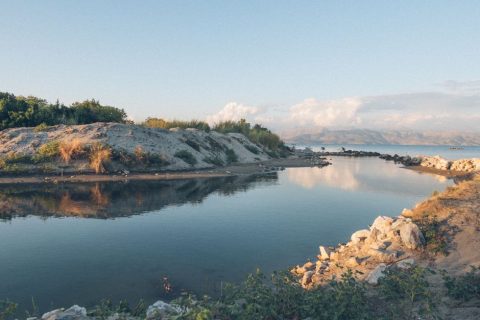
Lake Komaino & Visitor Center
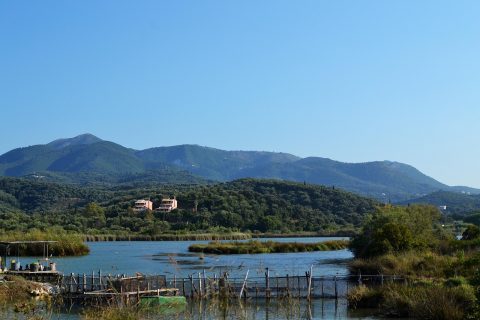
A scenic freshwater lagoon sanctuary with diverse birdlife, located in central Corfu. The visitor center explains the ecosystem, migration patterns, and conservation efforts. Walking trails encircle the lake through habitat areas. Birdwatchers and nature photographers find exceptional opportunities. The peaceful setting contrasts dramatically with coastal tourism.
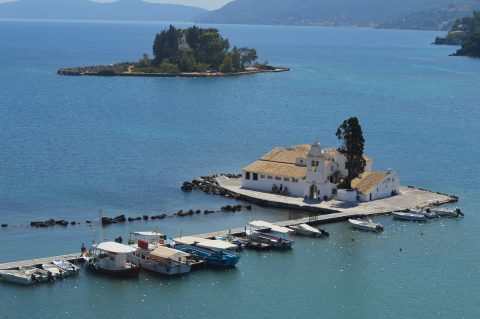
Diapontia Islands
Three small islands north of Corfu (Othoni, Erikoussa, Mathraki) accessible by boat offer pristine beaches, traditional fishing villages, and undisturbed natural beauty. These quieter destinations provide escape from mainland tourist crowds. Small family-run tavernas serve fresh seafood. The island-hopping experience reveals authentic Ionian island life.
Tips for Day Trips & Excursions
- Ferry schedules to Albania and Diapontia vary seasonally; confirm in advance
- Passport required for Albania travel; allow extra time for border procedures
- Small island ferries can be crowded during peak months; consider shoulder seasons
- Day trips require early departure; arrange pickups or transportation accordingly
Real, highly-rated Restaurants in Corfu, sourced from Google Places (rating above 4★).

Fieroula Restaurant
Fieroula Restaurant is a highly-rated restaurant in Corfu, rated 5★ from 815 reviews. Located at Pentati 490 84, Greece.
Opening Hours
- Monday: 6:30 – 11:00 PM
- Tuesday: 6:30 – 11:00 PM
- Wednesday: 6:30 – 11:00 PM
- Thursday: 6:30 – 11:00 PM
- Friday: 6:30 – 11:00 PM
- Saturday: 6:30 – 11:00 PM
- Sunday: 6:00 – 11:00 PM

Terra Corfiata
Terra Corfiata is a highly-rated restaurant in Corfu, rated 4.9★ from 325 reviews. Located at PWG2+VM Νησάκι, Νησάκι 490 83, Greece.
Opening Hours
- Monday: 8:00 AM – 11:30 PM
- Tuesday: Closed
- Wednesday: 8:00 AM – 11:30 PM
- Thursday: 8:00 AM – 11:30 PM
- Friday: 8:00 AM – 11:30 PM
- Saturday: 8:00 AM – 11:30 PM
- Sunday: 8:00 AM – 11:30 PM

BRISK RESTAURANT "Greek Creative Cuisine"
BRISK RESTAURANT "Greek Creative Cuisine" is a highly-rated restaurant in Corfu, rated 4.9★ from 1247 reviews. Located at Αγ. Πάντων 43, Kerkira 491 00, Greece.
Opening Hours
- Monday: Closed
- Tuesday: 6:00 PM – 12:00 AM
- Wednesday: 6:00 PM – 12:00 AM
- Thursday: 6:00 PM – 12:00 AM
- Friday: 6:00 PM – 12:00 AM
- Saturday: 6:00 PM – 12:00 AM
- Sunday: 6:00 PM – 12:00 AM
Real, highly-rated Beach Bars in Corfu, sourced from Google Places (rating above 4★).

Almyra
Almyra is a highly-rated beach bar in Corfu, rated 4.9★ from 844 reviews. Located at Nisaki 490 83, Greece.
Opening Hours
- Monday: 9:00 AM – 11:30 PM
- Tuesday: 9:00 AM – 11:30 PM
- Wednesday: 9:00 AM – 11:30 PM
- Thursday: 9:00 AM – 11:00 PM
- Friday: 9:00 AM – 11:30 PM
- Saturday: 9:00 AM – 11:30 PM
- Sunday: 9:00 AM – 11:30 PM

Acapulco Bar
Acapulco Bar is a highly-rated beach bar in Corfu, rated 4.8★ from 832 reviews. Located at Palaiokastritsa 490 83, Greece.
Opening Hours
- Monday: 10:00 AM – 9:00 PM
- Tuesday: 10:00 AM – 11:30 PM
- Wednesday: 10:00 AM – 11:00 PM
- Thursday: 10:00 AM – 11:00 PM
- Friday: 10:00 AM – 11:00 PM
- Saturday: 10:00 AM – 11:00 PM
- Sunday: 10:00 AM – 11:00 PM

Faliraki Beach Bar
Faliraki Beach Bar is a highly-rated beach bar in Corfu, rated 4.7★ from 279 reviews. Located at Epar.Od. Vrionis-Agiou Nikolaou, Mpenitses 490 84, Greece.
Opening Hours
- Monday: 9:30 AM – 6:30 PM
- Tuesday: 9:30 AM – 6:30 PM
- Wednesday: 9:30 AM – 6:30 PM
- Thursday: 9:30 AM – 6:30 PM
- Friday: 9:30 AM – 6:30 PM
- Saturday: 9:30 AM – 6:30 PM
- Sunday: 9:30 AM – 6:30 PM
Explore Corfu on the Map
Climate & Seasonal Considerations
April-May (Spring): Ideal temperatures (18-24°C), minimal rain, wildflowers bloom, fewer crowds than summer. Easter celebrations offer cultural immersion. This is the optimal season for visiting.
June-September (Summer): Warm to hot (24-30°C), peak tourism, crowded beaches and attractions, higher prices. July-August are extremely busy. Excellent swimming conditions but expect larger crowds at all sites.
October-November (Autumn): Pleasant temperatures (15-22°C), decreasing crowds, still warm enough for swimming. The olive harvest provides authentic agricultural tourism. Many facilities remain open but with reduced hours.
December-March (Winter): Cooler (10-15°C), occasional rain, minimal crowds, many beaches and water activities closed. Hotels and restaurants have limited hours. Best for cultural tourism and avoiding crowds. Christmas and New Year bring festive atmosphere.
Getting Around Corfu
Public Buses: Regular bus service connects Corfu Town to beaches and villages. Buses operate from early morning until late evening. Routes are numbered and well-marked. Buy before boarding at a ticket outlet or machine; onboard tickets are sold at a higher price. Service is inexpensive but can be crowded during peak hours.
Taxis: Readily available in town, airport, and major destinations. Metered taxis are affordable for short distances. Longer journeys (e.g., to Achilleion Palace) should be pre-agreed upon pricing. Radio taxis are reliable and can be reserved through hotels.
Car Rentals: Numerous rental agencies provide cars, scooters, and motorcycles. Local roads are generally well-maintained but can be narrow with sharp curves. Parking in the old town is extremely limited; consider leaving vehicles in dedicated lots. International driving permit recommended.
Ferries: Seasonal ferries connect to neighboring islands (Diapontia, Paxos, Antipaxos) and Albania (Saranda). Ferry operators maintain scheduled service with summer increases. Book in advance during peak season.
Walking: Corfu Town is best explored on foot. The compact layout and narrow streets favor pedestrian access. Comfortable walking shoes essential for cobblestones and hills.
✈️ Airport Transfer
Ioannis Kapodistrias International Airport (CFU) to city center:
- Local Blue Bus (Line 15): Runs roughly every 40 minutes to Corfu Town center in about 15 minutes, Line 15 is the airport–town bus; the current Zone A standard fare is €1.30 before boarding (onboard tickets cost more).
- Taxi: Airport taxis are metered; the airport’s published guide gives about 10 minutes and a normal fare of €10, with possible luggage surcharges.
- Private Transfer: Pre-booked car or minivan to hotels across the island, 10-45 minutes depending on destination, from around €25
- Rental Car: Pickup counters inside the terminal, self-drive to Corfu Town in about 15 minutes, from around €35 per day
Shopping & Local Products
Traditional Handicrafts: Purchase handmade ceramics and pottery from local artisans—distinctive Corfiot designs reflect centuries of tradition. Olive wood carvings, wooden crafts, and decorative items make memorable souvenirs. Local shops in the Old Town feature these products with higher quality and authenticity than mass-produced tourist goods.
Local Foods & Beverages: Corfu olive oil is exceptional—consider purchasing bottles to take home. Local wines from small producers, Greek honey, and artisanal liqueurs reflect regional flavors. Corfiot pastries and sweets like pastitsada and mandolato are available fresh from bakeries. Farmers' markets offer seasonal produce and local specialties.
Shopping Districts: The Old Town provides authentic local goods with character. The Liston arcade offers upscale boutiques and international brands. Spianada Square's surrounding shops cater to both tourists and residents. Markets in various towns feature fresh produce, textiles, and local products on designated days.
Bargaining: Haggling is generally not expected in modern shops but acceptable in markets and small family businesses. Respectful negotiation for bulk purchases or multiple items may yield modest discounts.
Celebrations & Annual Events
Pascha (Easter): The most significant celebration in Orthodox Greece (dates vary April-May). Palm Sunday processions, Good Friday candlelit services, and elaborate Easter Sunday feasts exemplify Greek tradition. The week features special foods, church services, and family gatherings. Attending local celebrations offers deep cultural insight.
Spyridon Festival (April & November): Honors Corfu's patron saint with religious processions, traditional music, and local festivities. The November celebration particularly features marching bands and traditional costumes. Thousands gather to observe the saint's relics in ceremonial procession.
Corfu Carnival (pre-Lenten): February celebration featuring parades, costumes, music, and traditional Corfiot revelry. The Lord of the Satires procession is distinctive and colorful. Street celebrations and parties continue for several weeks, transforming the island into a festival atmosphere.
Greek Independence Day (March 25): National holiday with military parades, flag-raising ceremonies, and patriotic celebrations throughout Corfu. The main parade in Corfu Town features military units, school children, and traditional marching bands.
Festival Season (July-August): Cultural festivals, theatrical performances, and musical concerts occur throughout the island. The Corfu Festival features international classical music performances in historical venues. Regional village festivals celebrate local culture with traditional food, music, and dancing.
Sample 5-Day Itinerary
Day 1: Corfu Town Historical Immersion
Morning: Explore the Old Town's narrow streets, discovering hidden piazzas and architectural details. Visit the Church of St. Spyridon to see the patron saint's silver sarcophagus.
Afternoon: Spend time on Spianada Square, It is commonly described by Corfu’s tourism authorities as the largest square in the Balkans. Enjoy coffee under the Liston arcade's Parisian-style colonnade.
Evening: Sunset visit to the Old Fortress for panoramic views. Dinner at a waterfront taverna in the Venetian Port District.
Day 2: Palaces & Gardens
Morning: Visit Mon Repos Palace Gardens with archaeological ruins and classical sculptures. Explore the palace museum detailing the site's history.
Afternoon: Travel south to Achilleion Palace, Empress Elizabeth's opulent mansion. The interiors are currently closed; visit the open outdoor areas and Imperial Gardens.
Evening: Return to town for dinner. Consider visiting Kanoni viewpoint to see the Vlacherna Monastery illuminated at dusk.
Day 3: Beach Day at Paleokastritsa
Morning: Travel to Paleokastritsa Beach, Corfu's most scenic beach destination. Swim in turquoise waters and snorkel among the dramatic limestone cliffs.
Midday: Lunch at a beachfront taverna with fresh seafood and local wines. Rest or explore nearby coves.
Afternoon: Visit Kaiser's Throne viewpoint nearby for sunset-worthy panoramic vistas of mountains and sea.
Evening: Dinner in the charming village above the beach with traditional Greek cuisine.
Day 4: Northern Beaches & Villages
Morning: Visit Sidari Beach with distinctive orange sand and the famous Canal d'Amour rock formations. Explore traditional fishing village atmosphere.
Afternoon: Visit nearby Roda Beach or explore the northern villages with authentic Corfiot culture. Tour a family-operated taverna or local pottery workshop.
Evening: Return to town or stay overnight in a northern village for authentic local experience. Traditional music and dancing often occur in village tavernas.
Day 5: Museums & Culture
Morning: Visit the Museum of Corfu (Antivouniotissa Museum) showcasing Byzantine mosaics and religious art in a 16th-century church setting.
Afternoon: The Byzantine Museum is housed in the Antivouniotissa church; check the current museum listing and opening information before planning a separate stop. Consider a cooking class learning traditional Corfiot cuisine.
Late Afternoon: Shopping and browsing in the Old Town's specialty shops and galleries. Purchase local handicrafts and regional products.
Evening: Sunset drinks at a Spianada café. Farewell dinner at a restaurant reflecting your favorite Corfu memories.
Best Photography Locations & Timing
Vlacherna Monastery (Kanoni): The iconic white monastery against blue water is Corfu's most photographed sight. Best time: Golden hour before sunset (5-7 PM depending on season) when light is warm and reflections perfect. Avoid midday harsh light. Position yourself at Kanoni promontory for optimal framing with Mouse Island.
Old Fortress Sunset: Dramatic Venetian fortifications against glowing sky create stunning images. Best time: 30 minutes before sunset for optimal light on stone. Bring wide-angle lens to capture the expansive fortification and harbor views. Low light inside passages requires fast lens or high ISO.
Spianada Square (Liston Arcade): The elegant Parisian-style colonnade creates geometric compositions. Best time: Early morning (7-9 AM) for soft light, minimal crowds, and detail clarity. The shadows under the arcade provide interesting compositional lines.
Paleokastritsa Beach: Limestone cliffs and turquoise water create dramatic seascapes. Best time: Morning (7-10 AM) when light is fresh and water reflects sky colors vividly. Afternoon light creates harsh shadows on cliff faces.
Achilleion Palace Gardens: Statuary, fountains, and sea panoramas offer diverse photographic subjects. Best time: Mid-morning (9-11 AM) when gardens are lit but not harshly. Golden hour backlighting reveals garden texture and creates magical atmosphere.
Corfu Town Alleys: Narrow streets, shuttered windows, and flowers create atmospheric compositions. Best time: Early morning or late afternoon when sunlight illuminates colorful details. Overcast days provide even lighting for architectural photography.
Electrical Information
Voltage & Frequency: Greece uses 220-240V AC at 50Hz. This is significantly higher than North American (110V) and different from some other regions. Confirm your device compatibility before traveling.
Plug Types: Greece primarily uses Type C (Europlug) and Type F plugs with two round pins. Some older establishments may have Type E outlets (French style). Purchase an adapter before travel or upon arrival.
Adapters & Converters: Visitors from non-European countries need universal travel adapters compatible with Greek outlets. Most hotels provide adapters at request, but carrying your own ensures availability. Voltage converters may be necessary for devices with 110V specifications.
Device Charging: Most modern smartphones, laptops, and camera chargers are dual-voltage (110-240V) and compatible with Greek electricity. Verify your specific devices before travel. USB power banks are convenient for charging devices while exploring.
Power Reliability: Electricity supply is generally reliable throughout Corfu including beaches and villages. Power outages are rare but can occur during extreme weather. Keep devices charged when exploring remote areas.
Culinary Specialties & Dining
Signature Corfiot Dishes: Pastitsada is the island's most famous dish—braised rooster with red wine, onions, and garlic served with pasta. Sofrito features thin veal slices in white wine sauce, a masterwork of simplicity and technique. Bourdeto showcases fresh fish in spicy tomato and wine sauce. These traditional dishes embody Mediterranean culinary philosophy.
Fresh Seafood: Corfu's coastal location ensures exceptional fresh fish and seafood. Daily specials feature whatever boats brought in—ask taverna owners what's fresh. Grilled octopus, whole fish preparations, and lobster pasta are excellent choices. Seafood tavernas near the port guarantee quality and freshness.
Local Produce & Oils: Olive oil is fundamental to Corfiot cuisine—the island produces exceptional extra-virgin oil with distinct flavor profiles. Fresh vegetables, particularly tomatoes and eggplants, feature prominently in Mediterranean preparations. Seasonal produce from local markets ensures quality and flavor.
Greek Wine & Beverages: Try local Corfiot wines from small producers offering unique terroir expressions. Ouzo (anise-flavored spirit) and retsina (resinated white wine) are cultural beverages. Local liqueurs and brandies make interesting digestifs after dinner.
Dining Customs: Dinner typically occurs 9-10 PM; restaurants don't become lively until 10 PM. Tipping 5-10% is appreciated but not obligatory. Tavernas offer casual atmosphere with family recipes; restaurants provide more formal settings. Sharing multiple dishes family-style is traditional and encouraged.
Tourist Passes
More about Corfu
Photo credits (20)
- Old Fortress (Palaio Frourio): photo by Own work I am the author. Dr.K. 15:51, 6 September 2006 (UTC), CC BY-SA 3.0, via Wikimedia Commons
- New Fortress (Neo Frourio): photo by Florival fr, CC BY-SA 3.0, via Wikimedia Commons
- Liston Arcade: photo by Joanbanjo, CC BY-SA 3.0, via Wikimedia Commons
- Museum of Corfu (Antivouniotissa Museum): photo by GualdimG, CC BY-SA 4.0, via Wikimedia Commons
- Byzantine Museum of Corfu: photo by Dan Lundberg, CC BY-SA 2.0, via Wikimedia Commons
- Corfu Ceramics Museum: photo by Piotrus, CC BY-SA 3.0, via Wikimedia Commons
- Church of St. Spyridon: photo by Gkaridis0, Public domain, via Wikimedia Commons
- Vlacherna Monastery: photo by Marc Ryckaert, CC BY 3.0, via Wikimedia Commons
- Achilleion Palace: photo by Dietmar Rabich, CC BY-SA 4.0, via Wikimedia Commons
- Kaiser's Throne Viewpoint: photo by Kritzolina, CC BY-SA 4.0, via Wikimedia Commons
- Old Town (Palaio Kastro): photo by Martin Falbisoner, CC BY-SA 4.0, via Wikimedia Commons
- Achilleion Palace Gardens: photo by Wilrooij, CC BY-SA 4.0, via Wikimedia Commons
- Spianada Square: photo by R-E-AL (talk | contribs | Gallery) (German Wikipedia), CC BY-SA 3.0, via Wikimedia Commons
- Paleokastritsa Beach: photo by Marc Ryckaert (MJJR), CC BY 3.0, via Wikimedia Commons
- Glyfada Beach: photo by dronepicr, CC BY 2.0, via Wikimedia Commons
- Kanoni & Mouse Island: photo by Liana Harala, CC BY-SA 4.0, via Wikimedia Commons
- Sidari Beach: photo by C messier, CC BY-SA 3.0, via Wikimedia Commons
- Diapontia Islands: photo by Serge LTUK, CC BY-SA 4.0, via Wikimedia Commons
- Oliva: photo by Joanbanjo, CC BY-SA 3.0, via Wikimedia Commons
- La Grotta Bar: photo by Mateus2019, CC BY-SA 3.0, via Wikimedia Commons


_01.jpg)
.jpg)


,_Gastouri,_Achilleion_--_2018_--_1324.jpg)


.jpg)


_Mattes_2021.jpg)