Beneath Jerusalem's modern streets lie tunnels, quarries, and settlements dating back three millennia, some only opened to the public in recent decades.
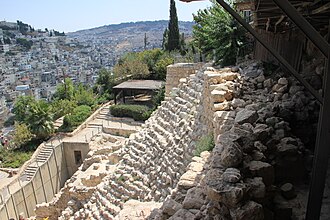
City of David
Ongoing excavations just outside the Old City walls have uncovered the original settlement of biblical Jerusalem, dating to the time of King David. Visitors can walk through the water-carved Hezekiah's Tunnel (wading through ankle-to-knee-deep water, bring waterproof shoes or sandals) and see the Stepped Stone Structure and Pool of Siloam. New tunnels and chambers are still being excavated and opened almost every year.
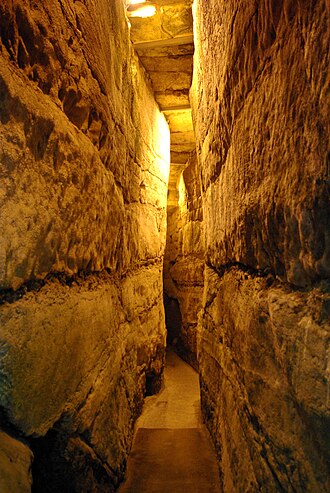
Western Wall Tunnels
A guided-only route runs beneath the Muslim Quarter along the full original length of the Western Wall, exposing massive Herodian foundation stones, one weighing an estimated 570 tons, and a Second Temple-era street. It offers a completely different scale and perspective on the wall than the open-air plaza above, and tickets sell out days in advance in peak season.
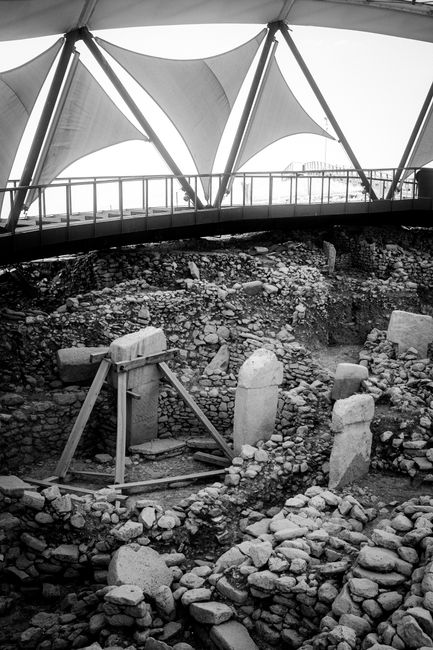
Davidson Center & Jerusalem Archaeological Park
At the southern base of the Temple Mount, this open-air site preserves the monumental Herodian-era stairs, streets, and fallen stones from the Second Temple period, including the famous Trumpeting Place inscription stone. An indoor exhibition hall with a scale model helps visualize how the Temple complex once looked, making the surrounding ruins easier to read.
Tips for Ancient & Historical Sites
- Wear shoes you don't mind getting wet if walking Hezekiah's Tunnel, a dry alternate route also exists
- Book Western Wall Tunnel and City of David tickets online ahead of your visit in peak season
- These sites involve steps and uneven ground, not ideal for limited mobility