Beyond the crowded plazas and marquee monuments, Jerusalem hides a quieter layer of monasteries, museums, and quarries that most itineraries skip entirely. These spots reward travelers willing to wander a few streets off the main routes, offering solitude, unusual histories, and a very different rhythm from the Old City’s bustle.
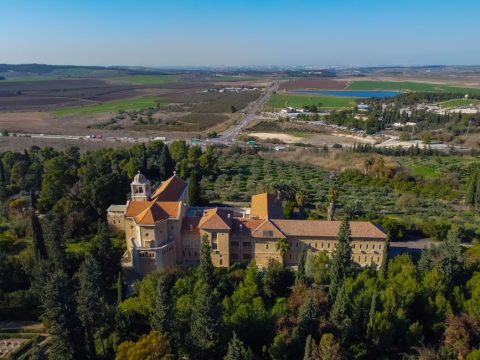
Monastery of the Cross
Tucked into a wooded valley below the Israel Museum, this fortress-like Georgian Orthodox monastery marks the spot where, according to tradition, the tree used for the crucifixion once grew. Founded in the 11th century, its dim interior holds a remarkable 17th-century fresco cycle covering nearly every wall and ceiling, along with a mosaic floor and a small crypt. Almost no tour buses stop here, so visitors often have the candlelit sanctuary to themselves. The surrounding Valley of the Cross park makes for a pleasant, shaded approach on foot from the Knesset area. It is one of the few working monasteries in the city where you can still sense monastic life continuing quietly behind thick stone walls, largely unnoticed by the millions who pass nearby each year.
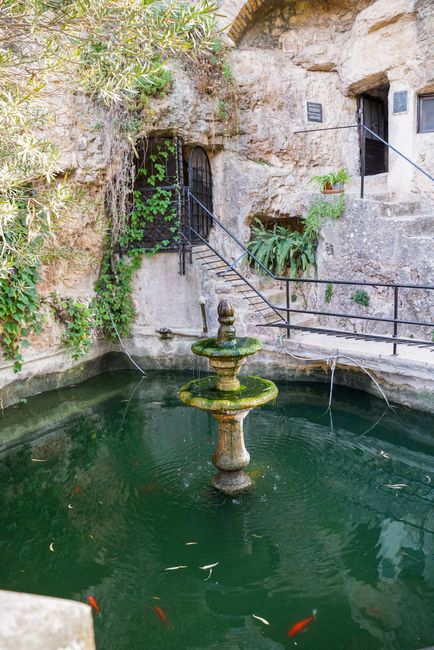
Zedekiah's Cave (Solomon's Quarries)
Stretching beneath the Muslim Quarter from an unassuming entrance near Damascus Gate, this vast man-made cavern was quarried for limestone as far back as biblical times and, legend holds, used by King Zedekiah to flee the city. The cave opens into a cathedral-like chamber nearly five stories high, with cool, echoing passages that stretch far underground. Because the entrance is easy to miss along the busy street above, few visitors realize the scale of what lies beneath their feet. Freemasons have historically held ceremonies here due to a supposed connection to Solomon’s Temple stonework. Bring a jacket, as the temperature stays cool year-round, and allow time to explore the quieter side passages away from the main hall, where the rock-cut walls still bear tool marks from ancient quarrying work.
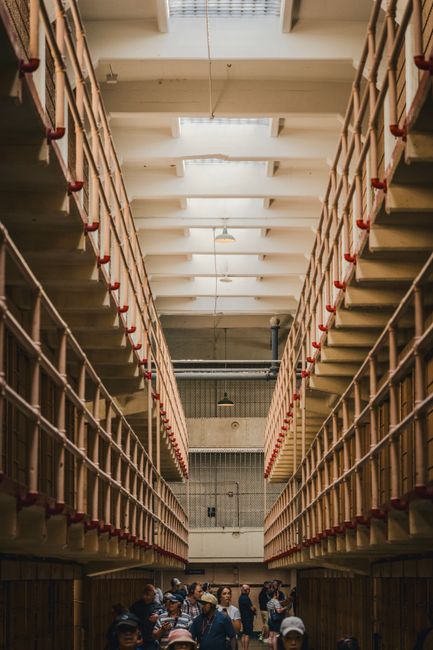
Underground Prisoners Museum
Housed in a former British Mandate-era prison in the Russian Compound, this somber but fascinating museum preserves the actual cells, gallows, and courtyard where Jewish underground fighters were held and executed before 1948. Visitors walk through cramped solitary confinement rooms and read firsthand testimonies scratched onto walls by prisoners awaiting trial. Unlike the city’s larger memorial institutions, this site is small, intimate, and rarely crowded, giving it an unfiltered, almost eerie authenticity. Guides on-site (when available) share personal stories tied to specific cells. It offers a lesser-known angle on the lead-up to Israeli statehood, distinct from the more visited historical sites downtown, and sits within easy walking distance of Jaffa Road, making it an easy add-on for anyone curious about the final years of British rule in the city.
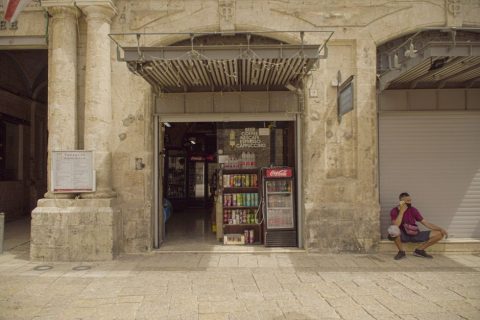
Ticho House (Beit Ticho)
A short walk from Mahane Yehuda Market, this restored 19th-century villa was once the home and clinic of ophthalmologist Dr. Avraham Ticho and his wife, artist Anna Ticho, whose delicate landscape drawings of the Jerusalem hills fill the upstairs galleries. The leafy garden courtyard, shaded by old pine trees, functions as a peaceful café largely known to locals rather than tourists. Rotating exhibitions pair Anna Ticho’s work with contemporary Israeli artists, and the ground-floor rooms retain original furnishings from the family’s decades living and practicing medicine there. It is an easy, unhurried stop that blends art, quiet garden seating, and a slice of Jerusalem’s Mandate-era social history, all just minutes from the market’s noise and crowds, yet feeling like an entirely different, slower city.
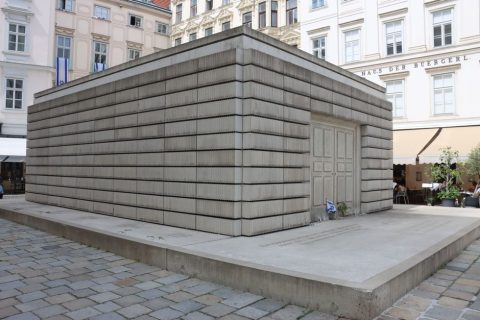
Chamber of the Holocaust (Martef HaShoah)
Predating Yad Vashem by years, this small memorial cellar on Mount Zion was among the first Holocaust remembrance sites established in Israel, and its cramped, low-ceilinged rooms feel almost forgotten by comparison. Inside, walls are lined with memorial plaques for destroyed European Jewish communities, alongside artifacts salvaged from desecrated synagogues, including torn Torah scrolls and fragments of tombstones used by the Nazis as paving stones. The atmosphere is raw and unpolished rather than curated, which many visitors find more affecting than larger institutional displays. Because it sits just behind the more visited sites on Mount Zion, most tourists walk right past its modest entrance. Visiting requires only a few quiet minutes but leaves a lasting impression, particularly for those interested in how memory and mourning were first organized in the young state.
Tips for Hidden Gems
- Visit the Monastery of the Cross in the morning when light through the small windows best illuminates the frescoes.
- Combine Zedekiah's Cave with a Damascus Gate visit, since the entrance is easy to overlook otherwise.
- Ticho House's garden café gets busy on Friday mornings before Shabbat, so arrive early or later in the week.
- Check opening hours in advance, as several of these sites keep limited or seasonal schedules.