Jerusalem's Old City is sacred ground for Judaism, Christianity, and Islam, home to some of the most revered religious sites on the planet within a few hundred meters of each other.
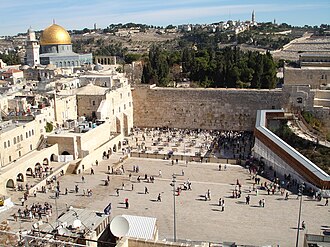
Western Wall (Kotel)
The last remaining retaining wall of the Second Temple's courtyard is Judaism's holiest accessible prayer site, where visitors of any faith may approach, pray, and leave written notes tucked between the ancient limestone blocks. The plaza is busiest before Shabbat on Friday afternoons and during Jewish holidays. Modest dress is required and the men's and women's prayer sections are separated.
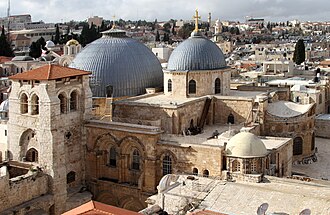
Church of the Holy Sepulchre
Venerated by most Christian denominations as the site of Jesus's crucifixion, burial, and resurrection, this labyrinthine church at the end of the Via Dolorosa is shared, sometimes uneasily, by six Christian communities under a centuries-old status quo agreement. Highlights include the Stone of Anointing, Golgotha (Calvary) chapel, and the Edicule enclosing the tomb itself. Expect long queues to enter the tomb chamber, especially around Easter.
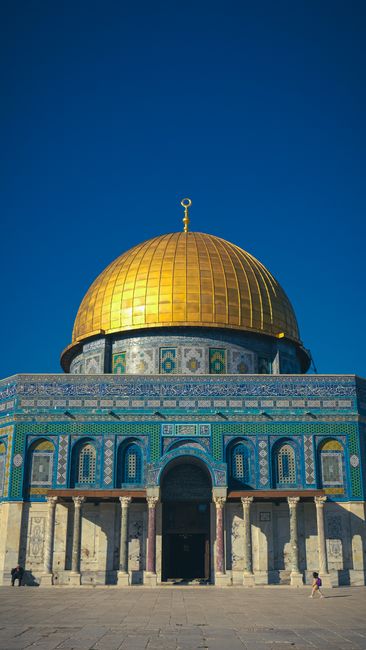
Temple Mount & Dome of the Rock
Sacred to Judaism as the site of the First and Second Temples and to Islam as the location of the Prophet Muhammad's Night Journey, this elevated plaza is dominated by the golden-domed Dome of the Rock and the Al-Aqsa Mosque. Non-Muslim visitors may enter the compound through a designated access route during restricted hours but generally cannot enter the mosques themselves. Rules change with political circumstances, check current access conditions locally before visiting.
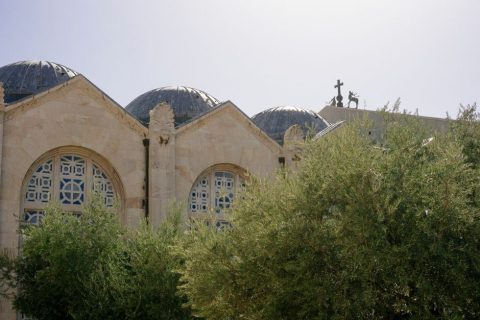
Mount of Olives & Garden of Gethsemane
This ridge east of the Old City offers the classic postcard panorama of Jerusalem and holds a cluster of important sites: the ancient olive trees of the Garden of Gethsemane, the onion-domed Russian Orthodox Church of Mary Magdalene, the Church of All Nations, and one of the world's oldest continuously used Jewish cemeteries. Walking down from the summit viewpoint to Gethsemane at the base takes you past centuries of layered devotion.
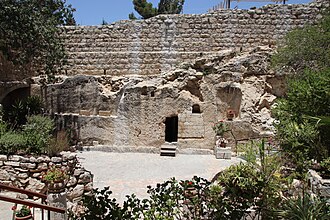
Garden Tomb
An alternative candidate for the site of Jesus's burial and resurrection, favored by many Protestant Christians, this peaceful garden outside the Old City walls features a rock-cut tomb and a nearby skull-shaped rock formation resembling Golgotha. It offers a quieter, more contemplative alternative to the crowded Church of the Holy Sepulchre, tended by volunteer guides who give short, free explanations throughout the day.
Tips for Religious Sites
- Dress modestly for all religious sites, shoulders and knees covered
- Temple Mount access hours are limited and change frequently, verify locally the same morning
- Fridays before sunset are the busiest and most atmospheric time at the Western Wall