Plan your trip to Jerusalem
- How long
- 3-4 days: the Old City, the museums and a day trip.
- Best for
- History, religion and archaeology lovers: the Old City, underground sites and museums, with a lot of walking.
- Skip it if
- You have limited mobility or need certainty about regional security: the Old City involves stairs, and flights can be disrupted.
If you only do three things
- The Old City: Western Wall and the Church of the Holy Sepulchre.
- The Western Wall Tunnels (advance booking).
- The Tower of David.
A one-day route
- Morning: Jaffa Gate and the Tower of David.
- Midday: Through the Old City to the Western Wall.
- Afternoon: Church of the Holy Sepulchre, then an advance-booked Western Wall Tunnels tour.
- Evening: Evening in the Old City or a quiet dinner.
Before you go
- Check your government’s current travel advice before booking: regional tensions have caused flight cancellations and airspace closures.
- Reserve Knesset tours in advance and bring valid ID. Check Temple Mount access locally, since conditions can change.
- Ben Gurion Airport has a direct train to Jerusalem-Yitzhak Navon (about 25 minutes; ₪27 single per Rav-Kav Online). Check the timetable around Shabbat.
Prices, opening status and transport in this plan checked against official sources on 1 October 2026.
Things to do in Jerusalem
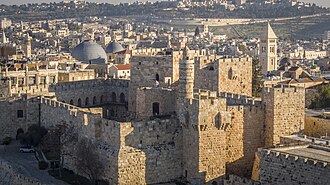
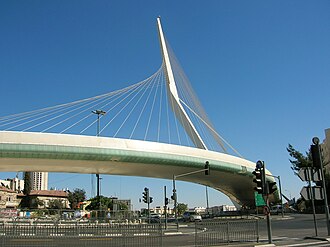
Jerusalem's skyline blends ancient fortifications with striking modern architecture, from the storied Tower of David to the futuristic Chords Bridge, each landmark marking a different chapter of the city's layered story.
Tower of David (Jerusalem Citadel)
This ancient citadel beside Jaffa Gate has guarded Jerusalem since the 2nd century BCE, with layers of Hasmonean, Herodian, Crusader, and Ottoman construction visible in its walls. The renovated museum uses models, holograms, and archaeological finds to trace 4,000 years of the city's history. At night, the Night Spectacular sound-and-light show projects the story of Jerusalem onto the citadel's stone walls, one of the most memorable evening experiences in the Old City.
Chords Bridge (Bridge of Strings)
Designed by Spanish architect Santiago Calatrava, this harp-shaped suspension bridge carries the Jerusalem Light Rail over the busy entrance to the city near the Central Bus Station. Its single tilted pylon and cascading steel cables have made it an unofficial modern symbol of Jerusalem, illuminated in changing colors after dark. It's a quick stop rather than a destination in itself, best combined with a light rail ride into the city center.
Knesset and the Menorah Monument
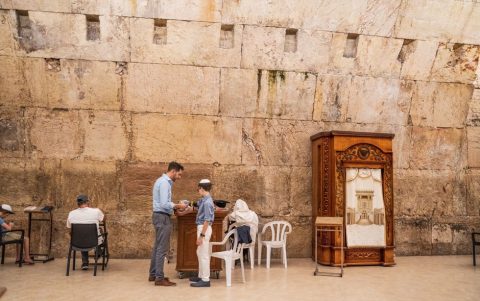
Israel's parliament building sits atop Givat Ram, its plaza fronted by a monumental bronze Menorah depicting scenes from Jewish history, a gift from the British Parliament. Free guided tours (advance registration required) take visitors through the Chagall Hall, with tapestries and mosaics by Marc Chagall, and explain how Israeli democracy functions. Security screening is thorough, so arrive with your passport and time to spare.
Tips for Landmarks & Monuments
- Book the Tower of David night show online in advance, it sells out on weekends
- Tours are free and require advance coordination, but the Knesset’s booking information does not specify a one-day-ahead deadline. Bring valid ID on the day of the visit.
- Combine the Chords Bridge with a light rail ride rather than a special trip
From Dead Sea Scrolls to Holocaust remembrance, Jerusalem's museums hold some of the most significant historical and cultural collections in the world.
Israel Museum
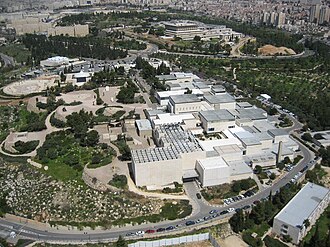
Israel's largest museum houses the Shrine of the Book, home to the Dead Sea Scrolls, alongside the Model of Jerusalem in the Second Temple Period, an Archaeology Wing spanning prehistory to the Ottoman era, and a fine arts wing with works by Van Gogh, Monet, and Chagall. The outdoor Art Garden, designed by Isamu Noguchi, is worth an hour on its own. Plan at least half a day, the campus is large and easy to spend far longer in.

Yad Vashem (Holocaust History Museum)
Israel's official Holocaust memorial combines a powerful chronological history museum, the Hall of Names archiving victims' identities, the Children's Memorial with its haunting hall of mirrors and candlelight, and the Avenue of the Righteous Among the Nations. It is emotionally intense and deliberately unhurried, most visitors need three to four hours to move through it properly. Entry is free but the site is large; wear comfortable shoes.
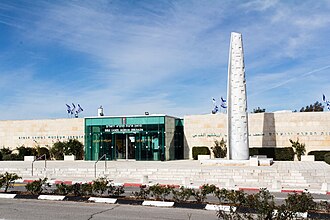
Bible Lands Museum
A lesser-visited gem next to the Israel Museum, this collection traces the cultures of the ancient Near East, Egypt, Mesopotamia, Persia, and Canaan, that shaped the world of the Bible. Well-labeled exhibits of seals, pottery, and sculpture make it easy to follow even without a background in archaeology, and it rarely feels crowded, a calm counterpoint to the busier Israel Museum next door.
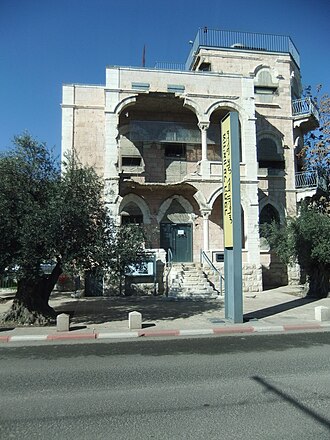
Museum on the Seam
Housed in a former military outpost on the old dividing line between East and West Jerusalem, this socio-political contemporary art museum uses rotating exhibitions to explore conflict, coexistence, and human rights. It is one of the more thought-provoking, less touristy stops in the city and offers a different lens on Jerusalem than its ancient sites.
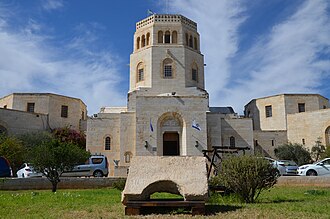
Rockefeller Archaeological Museum
Built in the 1930s in a striking blend of Islamic and Art Deco architecture, this museum displays artifacts excavated across the Holy Land from prehistoric times through the Ottoman period, including finds from Lachish and Hisham's Palace. Free entry and consistently uncrowded, it rewards visitors interested in archaeology who want depth without the crowds of the larger museums.
Tips for Museums & Galleries
- Yad Vashem and the Israel Museum are both large, do not try to combine them in one day
- Yad Vashem entry is free but the Holocaust History Museum requires a reasonable amount of walking and emotional bandwidth
- This is too broad: the Israel Museum is open on Saturdays, as well as on Fridays with shorter hours. Check each museum’s schedule individually.
Jerusalem's Old City is sacred ground for Judaism, Christianity, and Islam, home to some of the most revered religious sites on the planet within a few hundred meters of each other.
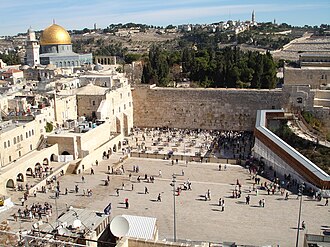
Western Wall (Kotel)
The last remaining retaining wall of the Second Temple's courtyard is Judaism's holiest accessible prayer site, where visitors of any faith may approach, pray, and leave written notes tucked between the ancient limestone blocks. The plaza is busiest before Shabbat on Friday afternoons and during Jewish holidays. Modest dress is required and the men's and women's prayer sections are separated.
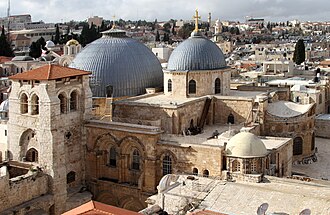
Church of the Holy Sepulchre
Venerated by most Christian denominations as the site of Jesus's crucifixion, burial, and resurrection, this labyrinthine church at the end of the Via Dolorosa is shared, sometimes uneasily, by six Christian communities under a centuries-old status quo agreement. Highlights include the Stone of Anointing, Golgotha (Calvary) chapel, and the Edicule enclosing the tomb itself. Expect long queues to enter the tomb chamber, especially around Easter.
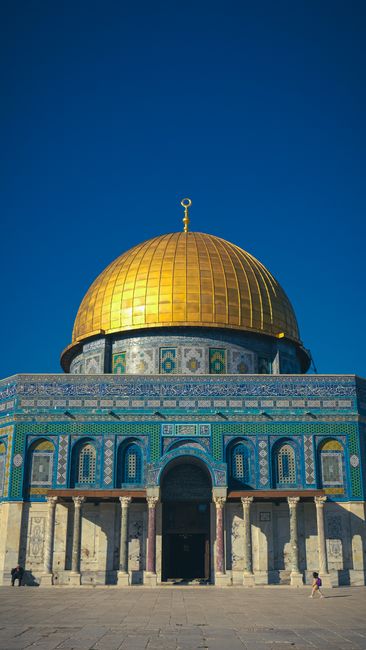
Temple Mount & Dome of the Rock
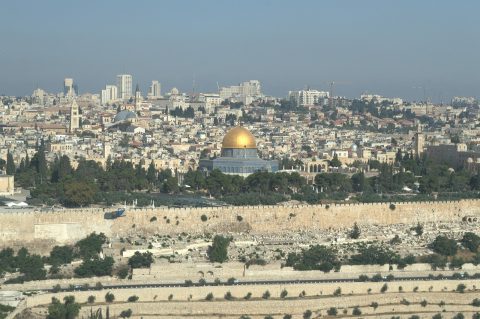
Sacred to Judaism as the site of the First and Second Temples and to Islam as the location of the Prophet Muhammad's Night Journey, this elevated plaza is dominated by the golden-domed Dome of the Rock and the Al-Aqsa Mosque. Non-Muslim visitors may enter the compound through a designated access route during restricted hours but generally cannot enter the mosques themselves. Rules change with political circumstances, check current access conditions locally before visiting.
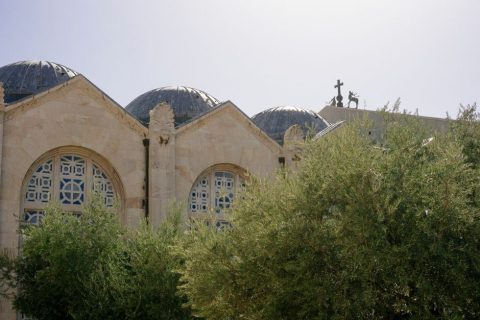
Mount of Olives & Garden of Gethsemane
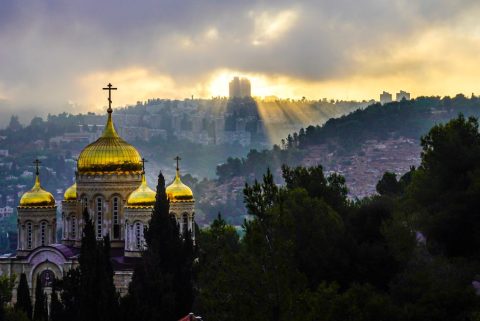
This ridge east of the Old City offers the classic postcard panorama of Jerusalem and holds a cluster of important sites: the ancient olive trees of the Garden of Gethsemane, the onion-domed Russian Orthodox Church of Mary Magdalene, the Church of All Nations, and one of the world's oldest continuously used Jewish cemeteries. Walking down from the summit viewpoint to Gethsemane at the base takes you past centuries of layered devotion.
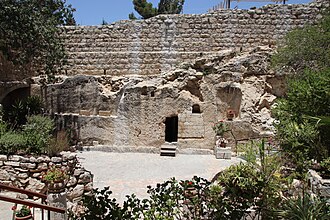
Garden Tomb
An alternative candidate for the site of Jesus's burial and resurrection, favored by many Protestant Christians, this peaceful garden outside the Old City walls features a rock-cut tomb and a nearby skull-shaped rock formation resembling Golgotha. It offers a quieter, more contemplative alternative to the crowded Church of the Holy Sepulchre, tended by volunteer guides who give short, free explanations throughout the day.
Tips for Religious Sites
- Dress modestly for all religious sites, shoulders and knees covered
- Temple Mount access hours are limited and change frequently, verify locally the same morning
- Fridays before sunset are the busiest and most atmospheric time at the Western Wall
Beneath Jerusalem's modern streets lie tunnels, quarries, and settlements dating back three millennia, some only opened to the public in recent decades.
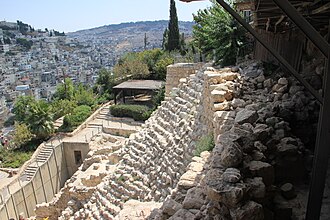
City of David
Ongoing excavations just outside the Old City walls have uncovered the original settlement of biblical Jerusalem, dating to the time of King David. Visitors can walk through the water-carved Hezekiah's Tunnel (wading through ankle-to-knee-deep water, bring waterproof shoes or sandals) and see the Stepped Stone Structure and Pool of Siloam. New tunnels and chambers are still being excavated and opened almost every year.
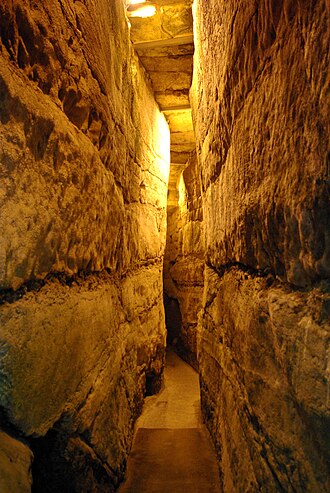
Western Wall Tunnels
A guided-only route runs beneath the Muslim Quarter along the full original length of the Western Wall, exposing massive Herodian foundation stones, one weighing an estimated 570 tons, and a Second Temple-era street. It offers a completely different scale and perspective on the wall than the open-air plaza above, and tickets sell out days in advance in peak season.
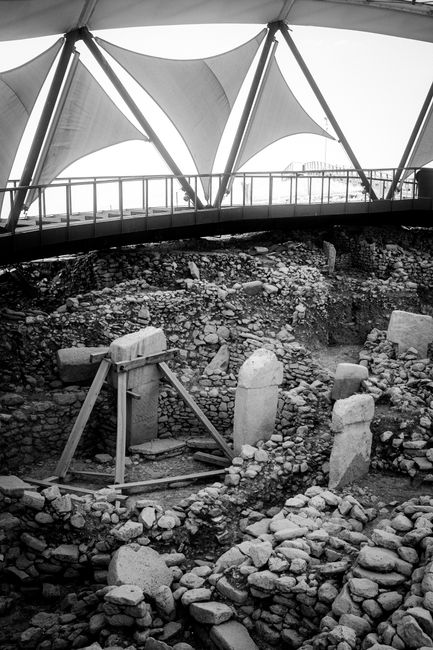
Davidson Center & Jerusalem Archaeological Park
At the southern base of the Temple Mount, this open-air site preserves the monumental Herodian-era stairs, streets, and fallen stones from the Second Temple period, including the famous Trumpeting Place inscription stone. An indoor exhibition hall with a scale model helps visualize how the Temple complex once looked, making the surrounding ruins easier to read.
Tips for Ancient & Historical Sites
- Wear shoes you don't mind getting wet if walking Hezekiah's Tunnel, a dry alternate route also exists
- Book Western Wall Tunnel and City of David tickets online ahead of your visit in peak season
- These sites involve steps and uneven ground, not ideal for limited mobility
Jerusalem's streets range from the narrow stone alleys of the two-thousand-year-old Old City to the café-lined pedestrian boulevards of the modern center.
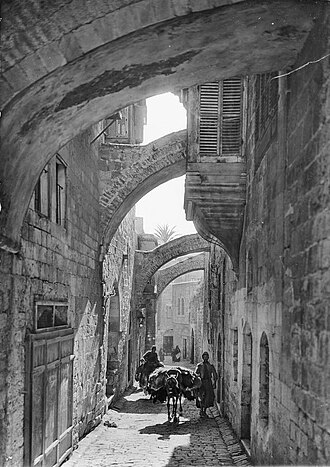
Via Dolorosa
Traditionally believed to trace Jesus's path to crucifixion, this narrow route winds through the Muslim and Christian Quarters past the nine of the fourteen Stations of the Cross marked along the way (the final five are inside the Church of the Holy Sepulchre). Franciscan friars lead a public procession along the route every Friday afternoon, open to all visitors.
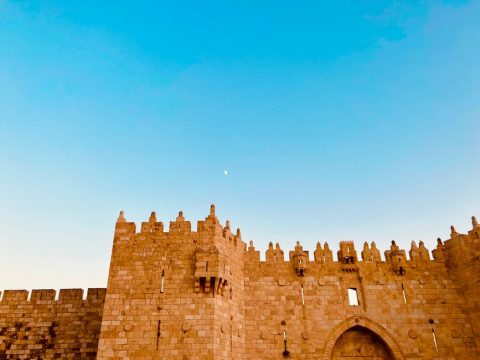
Jaffa Gate & Ramparts Walk
The main western entrance to the Old City, Jaffa Gate opens onto a lively junction of the Christian and Armenian Quarters. From here, the Ramparts Walk lets visitors climb onto the 16th-century Ottoman walls and walk along the top of the fortifications, with sweeping views down into the Old City's rooftops and out to the surrounding hills.
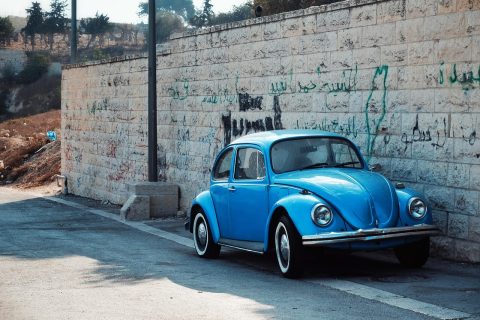
Ben Yehuda Street
This pedestrianized shopping street in the modern city center is lined with cafes, street performers, falafel stands, and souvenir shops, and stays lively well into the evening. It's a good gateway between the Old City and West Jerusalem's more contemporary side, and connects easily on foot to Jaffa Road and the Mahane Yehuda Market.
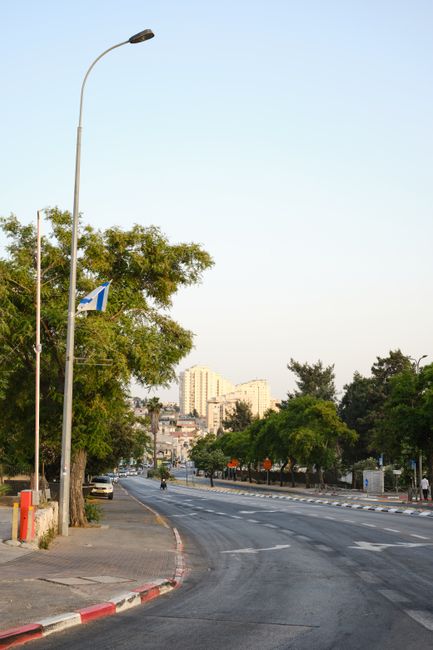
Mamilla Avenue
An open-air pedestrian shopping promenade linking Jaffa Gate to modern West Jerusalem, Mamilla mixes international and Israeli fashion brands, restaurants, and restored 19th-century arched facades. It's an easy, walkable stretch to end an Old City day with dinner and a bit of shopping before heading back to a hotel in the new city.
Tips for Squares & Streets
- Old City streets are stepped and uneven, wear sturdy flat shoes
- The Friday Via Dolorosa procession starts early afternoon at the First Station
- Ramparts Walk tickets cover two separate wall sections, check which one your ticket includes
Beyond its monuments, Jerusalem is a patchwork of tightly knit neighborhoods, each with a distinct religious, cultural, or architectural identity.
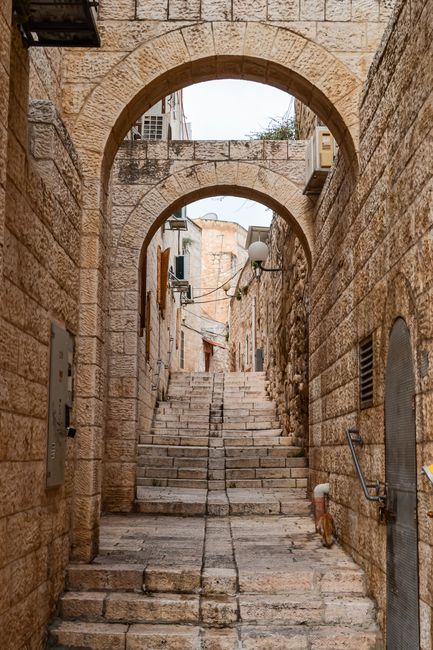
Old City's Four Quarters
The walled Old City is traditionally divided into the Jewish, Muslim, Christian, and Armenian Quarters, each with its own character, markets, and religious institutions packed into less than one square kilometer. Wandering between them on foot, without a fixed itinerary, is one of the best ways to experience Jerusalem's density of history and daily life side by side.

German Colony (Emek Refaim)
Built by German Templers in the 1870s, this leafy neighborhood along Emek Refaim Street preserves handsome stone houses with red-tiled roofs, now filled with cafes, restaurants, and boutique shops. It's one of the most relaxed, walkable areas for a break from Old City intensity, especially popular for weekend brunch.
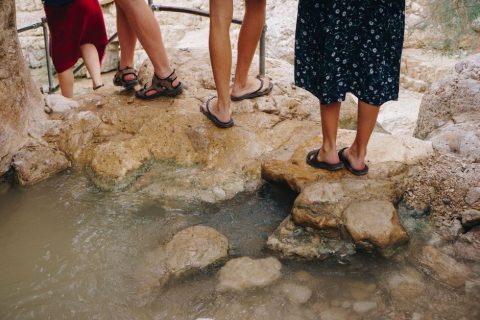
Ein Karem
Traditionally identified as the birthplace of John the Baptist, this former Arab village on Jerusalem's western edge is now a picturesque enclave of stone houses, artist studios, and pilgrimage churches, including the Church of the Visitation and Church of St. John the Baptist, set among hillside terraces and a spring-fed valley.
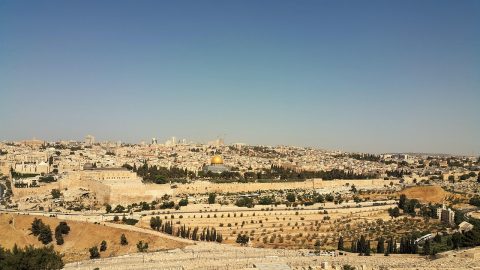
Mea Shearim
One of the oldest Jewish neighborhoods outside the Old City walls, Mea Shearim is home to a large Ultra-Orthodox community and feels frozen in an earlier era, with Yiddish-language signage and a strict dress code posted at its entrances. Visitors are welcome to walk through respectfully, dressed modestly, but should avoid visiting on Shabbat and refrain from photographing residents without permission.
Tips for Neighborhoods & Districts
- Mea Shearim observes strict modest dress, long sleeves and long skirts/trousers for all visitors
- Almost everything in Mea Shearim and much of the Old City closes from Friday afternoon through Saturday evening for Shabbat
- Ein Karem is easiest reached by taxi or bus, it sits outside easy walking distance from the center
Jerusalem's hillside geography gives it some dramatic green spaces and viewpoints, a welcome contrast to the density of the Old City.
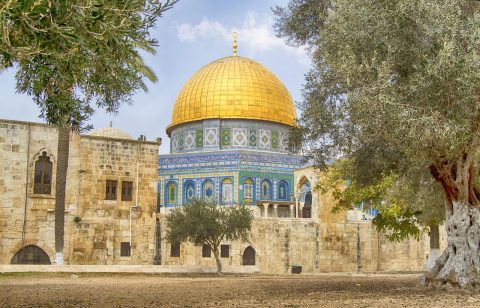
Haas Promenade (Tayelet)
This long hillside walkway in East Talpiot delivers one of the finest panoramic views in Jerusalem, taking in the Old City walls, the Temple Mount, and the Mount of Olives in a single sweep, especially striking at sunset. Landscaped with olive trees and stone terraces, it's a quiet, uncrowded spot even when the Old City below is packed.
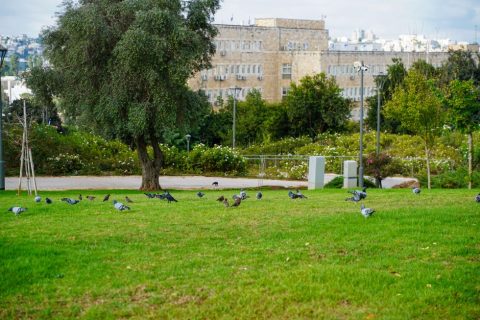
Gan Sacher (Sacher Park)
Jerusalem's largest urban park is a favorite local gathering spot for picnics, barbecues, and Independence Day celebrations, with wide lawns stretching below the Knesset. It's an easy, unpretentious place to see how Jerusalemites relax, particularly lively on Friday afternoons and Saturdays.
Jerusalem Bird Observatory
Tucked beside the Knesset, this small nature reserve and research station sits directly on a major migratory flyway between Europe and Africa, drawing hundreds of bird species through the year. Free to enter, it offers a peaceful green pocket with guided bird-ringing demonstrations at certain times, appealing well beyond dedicated birdwatchers.
Tips for Parks & Gardens
- Haas Promenade is best visited close to sunset for the light on the Old City
- Gan Sacher gets extremely busy on Independence Day (Yom Ha'atzmaut) with citywide barbecues
Jerusalem's layered history rewards guided context, from underground archaeology to market food crawls and after-dark sound and light shows.
Old City Guided Walking Tour
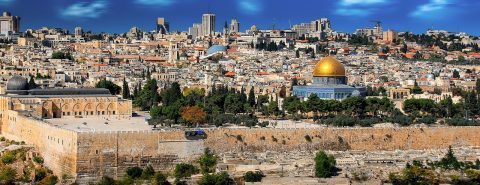
A knowledgeable local guide is the single best way to make sense of the Old City's dense, overlapping history, weaving together the Four Quarters, key religious sites, and hidden corners that are easy to miss unaccompanied. Most tours run three to four hours and can be booked as small group or private walks, typically starting at Jaffa Gate.
Mahane Yehuda Market Food & Wine Tour
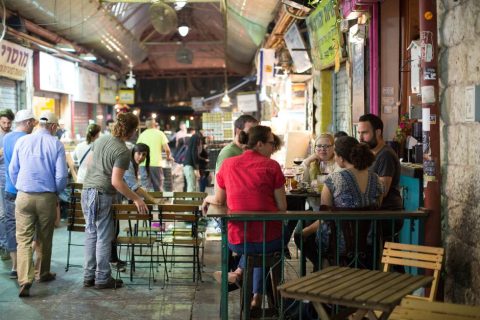
Guided evening and daytime tours through the sprawling Mahane Yehuda Market combine tastings of hummus, halva, fresh-baked bugatza, wine, and spices with the stories of longtime stall owners, many running family businesses for generations. It's an efficient way to sample the market's huge variety without wandering blindly, and the market itself transforms into a lively bar and restaurant scene most nights.
Underground Jerusalem Combined Tour
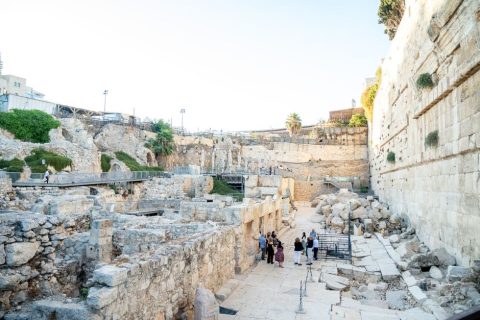
Several operators and the City of David site itself offer combined underground routes linking the Western Wall Tunnels with the City of David excavations and Hezekiah's Tunnel, letting visitors trace a continuous path beneath the Old City from Second Temple foundations to the ancient water system. These combined routes require advance booking and moderate fitness for tunnels, ladders, and stairs.
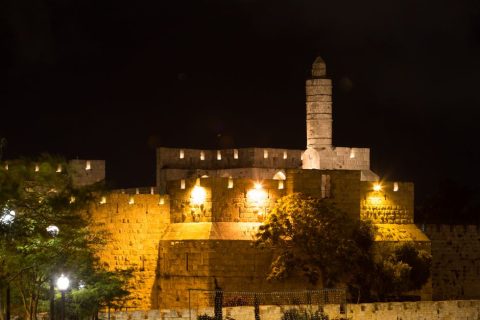
Tower of David Night Spectacular
An outdoor evening sound-and-light show projects animated imagery telling Jerusalem's history onto the ancient walls of the Tower of David citadel, accompanied by a multilingual narrated soundtrack. It runs seasonally after dark and makes an atmospheric, family-friendly way to close out an Old City day.
Tips for Tours & Activities
- Book market and underground tours a few days ahead in high season
- Wear closed, comfortable shoes for any tunnel or underground tour
- Check the Tower of David show's seasonal schedule, it doesn't run year-round every night
Jerusalem's location makes it an excellent base for day trips to some of the most significant historical and natural sites in the region.
Dead Sea & Masada
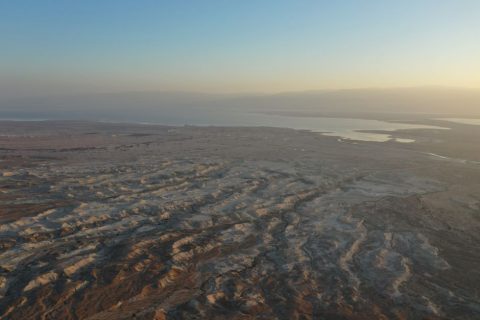
A little over an hour from Jerusalem, this classic combined day trip pairs a cable car or sunrise hike up Masada, King Herod's clifftop fortress overlooking the desert, with an afternoon floating in the mineral-rich, buoyant waters of the Dead Sea at one of its public beaches. Bring plenty of water and sun protection, this is one of the lowest and hottest points on Earth.
Bethlehem & Church of the Nativity
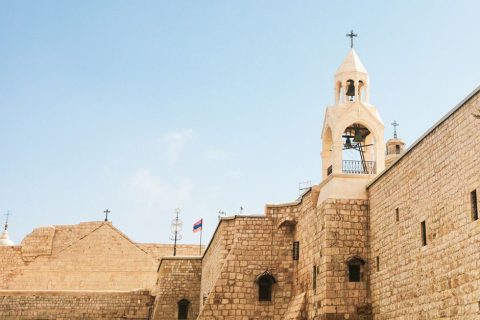
Just south of Jerusalem in the West Bank, Bethlehem is traditionally revered as the birthplace of Jesus, centered on the ancient Church of the Nativity and its grotto shrine. Many visitors join an organized tour that handles the border crossing and permits, though independent travel with a licensed Palestinian guide is also common; check current entry requirements before planning.
Qumran Caves & Ein Gedi
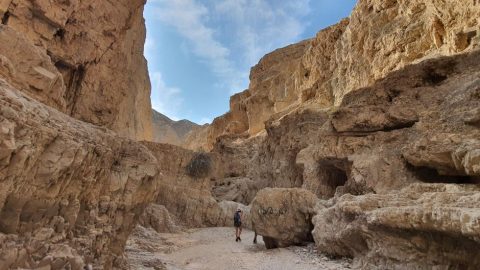
On the way to or from the Dead Sea, Qumran is where the Dead Sea Scrolls were discovered hidden in desert caves by a Bedouin shepherd in 1947, with a visitor center explaining the Essene community believed to have lived there. Nearby Ein Gedi nature reserve offers freshwater waterfalls and hiking trails through a desert oasis, a striking contrast to the surrounding arid landscape.
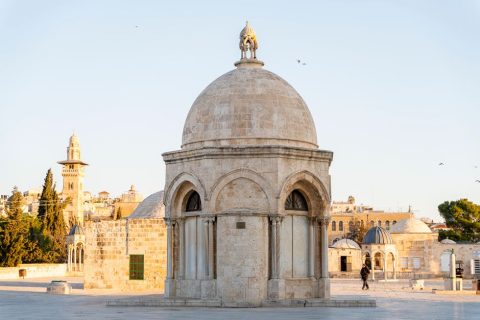
Abu Ghosh
This Arab-Israeli village just outside Jerusalem is widely regarded as having some of the best hummus in the country, along with a well-preserved Crusader-era church built over a Roman spring. It's an easy, low-key half-day trip for travelers who want a taste of everyday life and food outside the intensity of the Old City.
Tips for Day Trips & Excursions
- Book Masada sunrise tours well in advance, pickup times are very early
- Bring water shoes for the Dead Sea, the shoreline can have sharp salt crystals
- Check current travel advisories and border/permit requirements before a Bethlehem day trip
Jerusalem itself has no large historic Christmas market -- as a majority-Jewish city it centers December around Hanukkah rather than Christmas -- but its Christian Quarter still lights up for the season, and the city makes an ideal base for visiting the region's real Christmas celebrations. Bethlehem's Manger Square, just a short trip south, hosts the definitive Christmas market and tree-lighting of the Holy Land, while Nazareth to the north runs the country's largest holiday festival. December 2026 visitors can combine an Old City evening walk with day trips to both.
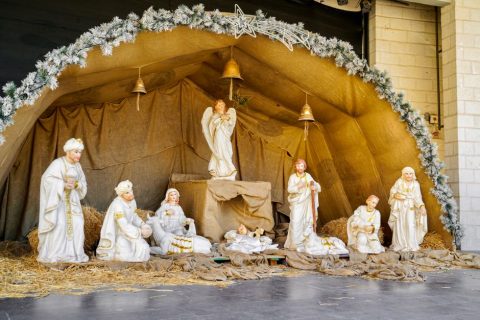
Manger Square Christmas Tree & Market, Bethlehem
Just a 30-minute drive or organized tour south of Jerusalem, Bethlehem transforms Manger Square into the region's most iconic Christmas scene each December. The municipality erects and lights a towering Christmas tree in front of the Church of the Nativity in early December 2026, kicking off weeks of carol singing, scout parades, and stalls selling olive-wood nativity carvings, mother-of-pearl ornaments, and roasted chestnuts. Because Bethlehem observes three Christmas dates -- Western on December 25, Greek Orthodox on January 7, and Armenian on January 19 -- decorations and vendor stalls typically stay up into mid-January 2027. Visitors need a valid passport to cross the checkpoint from Jerusalem; most day tours and taxis handle this routinely. Evenings are liveliest, with the square glowing under lights and church bells ringing across the plaza.
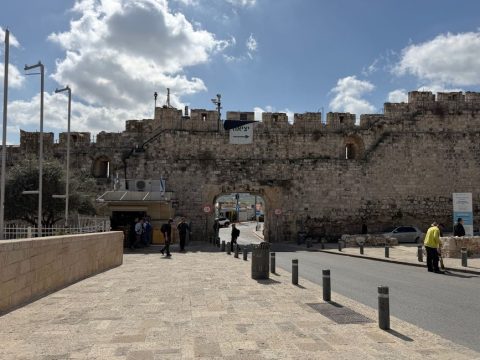
Jaffa Gate Christmas Tree & Old City Christmas Eve Procession
Jerusalem's Christian Quarter puts on its own quieter but no less atmospheric display. Each December the Jerusalem Municipality lights a large Christmas tree at Jaffa Gate and strings decorations through the Old City's stone alleys toward the Church of the Holy Sepulchre. On the afternoon of December 24, the Latin Patriarchate leads a formal procession -- scouts with bagpipes and drums, clergy, and church officials -- from Jaffa Gate out toward Bethlehem, a tradition dating back generations. Even without joining the procession, an evening walk through the Christian and Armenian Quarters in the days around Christmas reveals lit shopfronts, carol singing near the Church of the Holy Sepulchre, and a genuinely festive mood that contrasts with the rest of the city, which otherwise runs on the Hebrew calendar and shows little sign of the holiday.
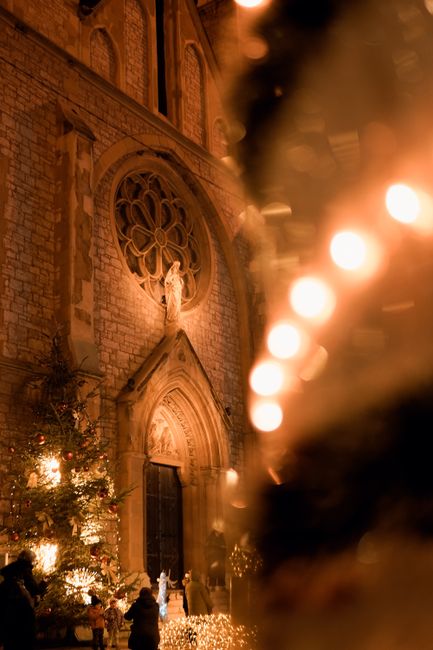
Christmas Eve Midnight Mass, Church of the Nativity
For travelers wanting the full pilgrimage experience, the Midnight Mass at the Church of the Nativity on December 24, 2026 is broadcast worldwide and draws Christians from across the globe to the traditional birthplace of Jesus. Seating inside St. Catherine's Church, adjacent to the Nativity grotto, is extremely limited and by free ticket only, issued in advance through the Christian Information Centre inside Jaffa Gate in Jerusalem -- plan to request one in November. Ticket holders should arrive hours early, as security checks around Manger Square intensify through the evening. Those without tickets can still watch large screens set up outside in the square, join the crowds, and visit the Nativity grotto itself on other December days without a mass in progress, usually with a shorter wait than during peak Christmas week.
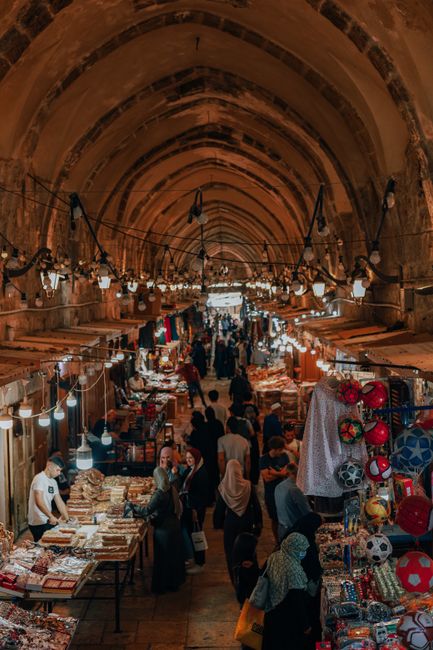
Nazareth Christmas Market
For a livelier, more commercial Christmas market feel, Israel's largest Arab-Christian city puts on the country's biggest holiday festival. Nazareth's Christmas market fills the streets around Mary's Well and the Basilica of the Annunciation with food stalls, craft vendors, and a lit-up parade route through late November and December 2026, drawing both Christian and Muslim residents in a city where the two communities celebrate the season together. It sits roughly two hours north of Jerusalem by car or organized tour, making it a full-day rather than evening trip. Highlights include the Nazareth Christmas parade, usually the first weekend of December, zaatar-spiced street food, and the basilica itself lit for the season -- widely considered the most authentic large-scale Christmas market experience in the country.
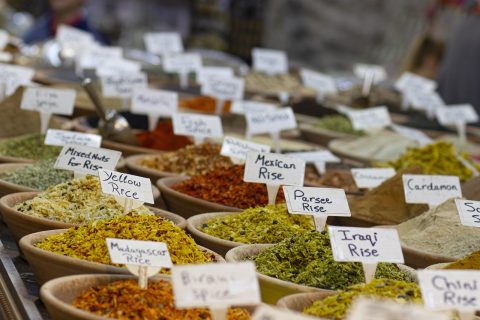
First Station Winter Lights & Holiday Market, Jerusalem
Back in Jerusalem itself, the First Station complex -- a converted Ottoman-era railway station turned dining and events space -- strings up winter lights and occasionally hosts small holiday-themed markets and live music through December 2026, drawing both tourists and locals out for evening walks. It is not a traditional Christmas market, since Jerusalem's population is overwhelmingly Jewish and Hanukkah dominates the same weeks, but the mix of string lights, food trucks, and outdoor seating along the old railway tracks makes for a pleasant, low-key evening stop between Old City sightseeing. Combine it with a walk down nearby Emek Refaim in the German Colony, where cafes and shopfronts add their own seasonal decorations, for a relaxed, secular counterpart to Bethlehem's more overtly religious celebrations.
Tips for Christmas Market
- Jerusalem itself skews Hanukkah, not Christmas -- for an actual market atmosphere, plan a day trip to Bethlehem or Nazareth
- Bring your passport when crossing into Bethlehem, and expect longer queues at the checkpoint during Christmas week
- Book Christmas Eve Midnight Mass tickets through the Christian Information Centre near Jaffa Gate well before December
- Evenings in the Old City's Christian Quarter are the best time to see the lights and hear carols near the Church of the Holy Sepulchre
- Nazareth is a full-day trip from Jerusalem -- go early to catch the market before evening crowds build
Jerusalem is not a party capital, but its nightlife has real character, from candlelit wine bars in vaulted stone cellars to laid-back pubs and the occasional rooftop with Old City views. Most of the scene clusters around downtown streets a short walk from Ben Yehuda and Mahane Yehuda, coming alive after the market stalls close for the evening. Expect an eclectic, low-key vibe rather than mega-clubs, with venues that mix live music, craft beer, and conversation.
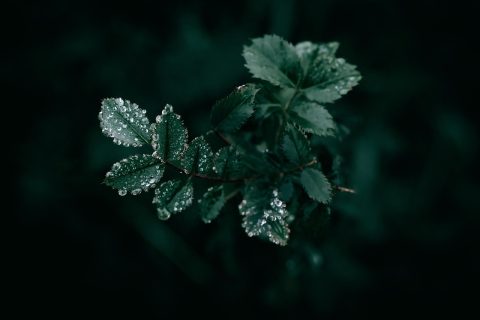
Mahane Yehuda Market After Dark
Once the produce stalls shutter for the night, sections of the Mahane Yehuda Market transform into one of Jerusalem's liveliest late-night entertainment districts. Small wine bars, hummus counters turned tapas spots, and pop-up cocktail stands open behind rolled-up market shutters painted with colorful street art, creating a scene that feels distinct from daytime shopping entirely. Thursday and Friday nights are the busiest, with crowds spilling into the narrow lanes and occasional live musicians performing between the stalls. The energy is festive but walkable, letting visitors bar-hop between a dozen tiny venues within a few blocks. It is best experienced by wandering rather than following a fixed itinerary, since the most memorable spots are often the ones without signage. For a single evening that captures Jerusalem's contemporary social life, this is the place to be after 9pm.
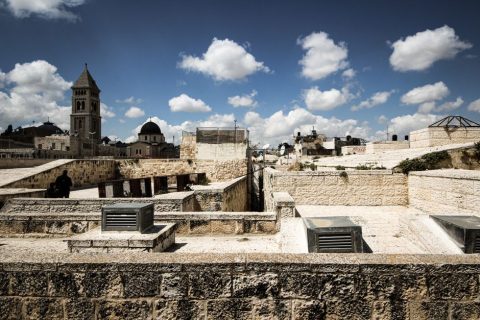
Beit Shmuel Rooftop Bar
Perched atop the Beit Shmuel cultural center near Mamilla, this rooftop bar offers one of the most atmospheric spots in Jerusalem to nurse a cocktail while the Old City walls glow at sunset. Seating is casual, spread across a wide terrace with cushioned benches and low tables, and the crowd is a relaxed mix of locals, students, and travelers. The drinks menu leans toward Israeli craft beers, Mediterranean-inflected cocktails, and a solid wine list from Judean Hills producers. It is especially popular on weekend evenings when the terrace fills up but rarely feels rowdy. Live acoustic sets sometimes take over a corner of the space, adding to the unhurried mood. Come for the view, stay for the unusually peaceful way to end a day of sightseeing, watching the floodlit ramparts and rooftops stretch out below as the city's noise fades into the background.
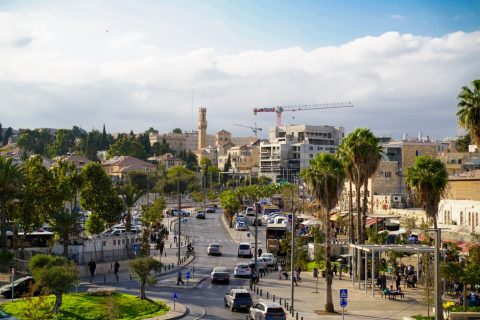
Video Pub
A downtown institution tucked into a stone cellar off a side alley near Zion Square, Video Pub is one of Jerusalem's longest-running live music venues. The vaulted ceilings and dim lighting create an intimate, almost secretive atmosphere where local bands play rock, blues, and jazz most nights of the week. It draws a loyal crowd of regulars alongside curious visitors, and the bar pours a wide selection of beers on tap plus reasonably priced spirits. There is no dress code or velvet-rope pretension here; it is a place to squeeze onto a bench, order a pint, and let the music do the work. Sets typically start late in the evening and run past midnight on weekends. For anyone wanting a genuine slice of the city's small but devoted live-music culture, away from the tourist-oriented cafes of the Old City, this cellar bar delivers it without frills.
HaMazkeka
Set inside a former Ottoman-era pharmacy warehouse near the city center, HaMazkeka is a bar and event space known for its eclectic alternative and electronic nights. Exposed stone walls, industrial lighting, and a small stage give it a gritty, artistic feel distinct from Jerusalem's more traditional pubs. The lineup rotates between DJ sets, indie bands, and themed parties, making it a magnet for the city's younger, more bohemian crowd. Drinks are affordable and the mood is unpretentious, with a covered courtyard that opens up on warmer nights. It is one of the few spots in Jerusalem where the energy can shift toward an actual dance floor later in the evening. Because programming changes week to week, checking listings ahead of a visit is worthwhile, but dropping in unannounced usually still turns up something happening.
Tips for Nightlife & Entertainment
- Nightlife slows considerably from Friday afternoon through Saturday evening due to Shabbat, when many bars downtown and near Mahane Yehuda close.
- The livelier scene shifts to Thursday and Saturday nights after sundown, once Shabbat ends.
- Downtown venues near Zion Square and Mahane Yehuda are within easy walking distance of each other, making bar-hopping practical without a taxi.
- Dress is casual almost everywhere; Jerusalem nightlife is relaxed rather than upscale-club style.
Jerusalem may be an ancient city of stone, but it has plenty of room to run, climb, and giggle. From hands-on science exhibits to a train ride through wildlife enclosures, these spots give younger visitors a fun break between historic sightseeing.
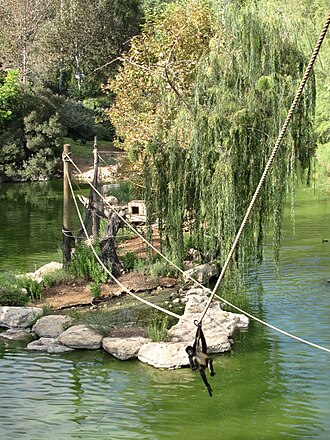
Jerusalem Biblical Zoo (Tisch Family Zoological Gardens)
Spread across a landscaped hillside, this zoo pairs animal exhibits with a gentle nod to the region's biblical fauna, including species mentioned in scripture alongside big cats, primates, and an aquarium building. A miniature train loops through parts of the grounds, and shaded picnic areas and a large playground make it easy to fill a full afternoon. The petting corner and daily feeding sessions are popular with younger children, while older kids enjoy the walk-through aviary. A lake in the middle of the park is home to flamingos and other waterfowl visible from several vantage points. Strollers can be rented at the entrance, and there are cafes on-site for snack breaks between enclosures.
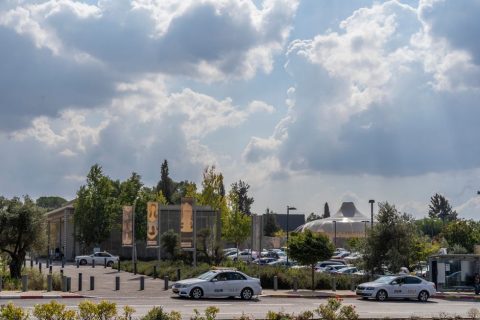
Bloomfield Science Museum
This hands-on science museum near the Hebrew University campus is built entirely for curious hands and minds. Kids of all ages can experiment with interactive exhibits covering optics, sound, motion, and technology, with dedicated zones for toddlers and older children alike. Staff regularly run live demonstrations, and rotating temporary exhibitions keep repeat visits fresh. There is a small outdoor courtyard for a breather between galleries, and the gift shop stocks science kits that make a nice souvenir. It is an easy indoor option on a rainy or scorching day, and most families comfortably spend a couple of hours exploring. Signage appears in Hebrew, English, and Arabic, and the museum is stroller and buggy friendly throughout.
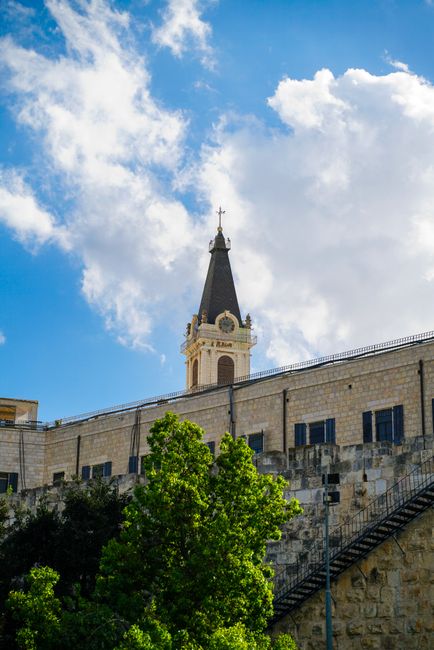
Time Elevator Jerusalem
A short multimedia ride that condenses 3,000 years of the city's history into a moving-seat cinema experience, narrated with humor to keep younger audiences engaged. The motion-simulator seats shake, tilt, and rumble in sync with the on-screen story, making it feel more like a ride than a lecture, and the show runs under an hour so attention spans hold up well. It is a painless way to give children context before they tackle the Old City's older sites, and the air-conditioned theater is a welcome escape from midday heat. Multiple language tracks are available through headsets, and the seating is comfortable for even the smallest visitors. Located in the Yemin Moshe area within easy walking distance of Mamilla.
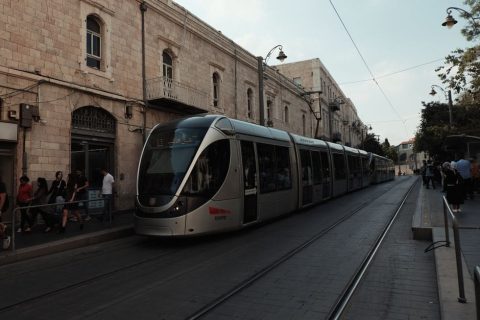
Train Track Park (HaTachana to Emek Refaim area)
Built along a disused railway line, this long, narrow park is a favorite for scootering, cycling, and simply letting kids burn off energy in the open air. The flat, paved path runs for several kilometers through green space dotted with climbing structures, benches, and small cafes converted from old train cars near the First Station complex. Families often combine a walk or bike ride here with ice cream or a casual meal at the station's kid-friendly eateries. Weekends bring street performers and pop-up stalls near the First Station end, adding to the festive, low-key atmosphere. The route is stroller-friendly throughout and largely shaded by trees in the busier sections.
Tips for With Kids
- Visit the zoo or park in the early morning or late afternoon to avoid the midday heat, especially between May and September.
- Bring cash or a card for stroller rentals at the Biblical Zoo entrance.
- Book Time Elevator tickets online in advance, as showtimes can sell out on weekends and holidays.
- Pack water and sun hats year-round, as shade is limited in some outdoor play areas.
Jerusalem's calendar is shaped by a rhythm of religious festivals, cultural showcases, and open-air performances that draw visitors throughout the year. From spring pilgrimages to winter light displays, the city transforms its ancient streets into stages for celebration.
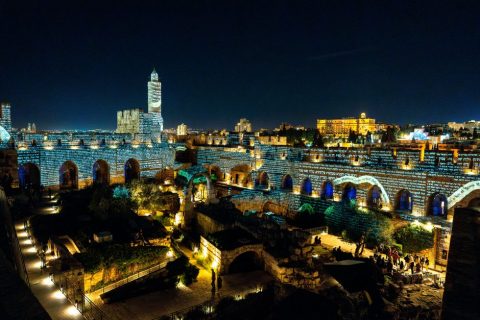
Jerusalem Festival of Light
Each winter the Old City becomes an open-air gallery of illuminated art. Local and international artists install glowing sculptures, projections, and interactive light pieces along the ramparts, the Tower of David moat, and the narrow lanes of the Jewish and Christian Quarters. In 2026 the festival is expected to run from December 3 to December 12, with free evening walking routes starting near Jaffa Gate. Crowds peak on weekends, so weekday visits after sunset offer a quieter experience. Food stalls and live musicians appear along the route, and many shops stay open late. The event is family-friendly, stroller-accessible on main paths, and pairs well with a Old City walking tour done earlier in the day. Expect large crowds near the main light installations.

Israel Festival Jerusalem
This long-running performing arts festival brings dance, theater, and orchestral music to venues across the city, including the Jerusalem Theatre and outdoor stages in the Sultans Pool amphitheater. The 2026 edition is anticipated for May 21 to June 6, featuring both Israeli companies and touring international acts. Programming ranges from contemporary dance to classical concerts and experimental theater, with tickets sold per performance rather than as a festival pass. Sultans Pool shows are especially popular for their setting beneath the Old City walls, so arriving early secures better seating. Some performances are staged in Hebrew with English surtitles, while music and dance events cross the language barrier easily. It is a favorite among culture-focused travelers looking to combine sightseeing with evening entertainment.
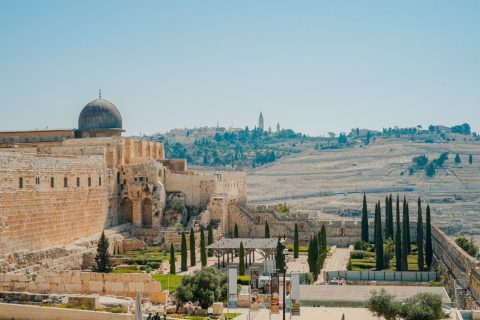
Jerusalem Summer Season Concerts
Through the warm months, Jerusalem hosts a series of open-air concerts in the Jerusalem Botanical Gardens and the Sherover promenade area, spanning jazz, world music, and classical ensembles. For 2026, the series is planned across July 9 to August 27, typically with performances on Thursday and Saturday evenings. Audiences bring blankets or low chairs, and the gardens setting keeps temperatures more comfortable than the city center after dark. Many concerts are free or low-cost, making this an accessible option for budget travelers and families. Local food trucks often set up near the entrance gates. Because seating is unreserved and informal, arriving thirty to forty minutes before showtime is recommended for a good spot near the stage.
Jerusalem Wine Festival
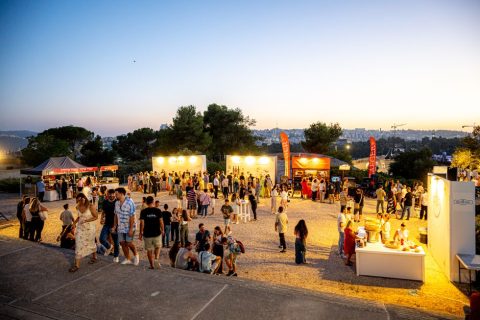
Held on the grounds of the Israel Museum, this harvest-season gathering celebrates the country's wine industry with tastings from dozens of boutique and established Israeli wineries. The 2026 dates are projected for August 12 to August 16, held over several evenings amid the museum's sculpture garden. Entry typically includes a tasting glass and access to unlimited samples, alongside cheese pairings and live acoustic music. Many wineries bring limited-release bottles not sold elsewhere, appealing to enthusiasts hunting for something distinctive. The setting among outdoor artwork and Jerusalem stone gives the event a relaxed, garden-party feel rather than a formal trade show. Designated drivers and taxis are recommended given the tasting format, and the museum's galleries remain open for early arrivals.

Jerusalem Marathon
One of the city's largest annual sporting events, the marathon sends thousands of runners along a route weaving past the Old City walls, Mount Scopus, and the Knesset. The official marathon site lists the 2026 race as April 17., with a full marathon, half marathon, 10K, and shorter fun-run options starting at staggered times that morning. Roads throughout central Jerusalem close for several hours, so visitors not participating should plan sightseeing routes around the course map published in advance. Spectators gather near the Old City sections for the best views of runners against the historic backdrop. Registration for international runners typically opens months ahead and often sells out for the half marathon distance. Post-race, a runners village near the finish line offers food and live entertainment.
Tips for Events Calendar
- Book tickets for the Israel Festival and Wine Festival in advance, as popular sessions sell out
- Check exact 2026 dates closer to the event since religious and municipal calendars can shift programming
- Wear comfortable shoes for the Festival of Light walking route through the Old City's uneven stone streets
- If visiting during the marathon, review road closures beforehand to avoid disrupted taxi or bus routes
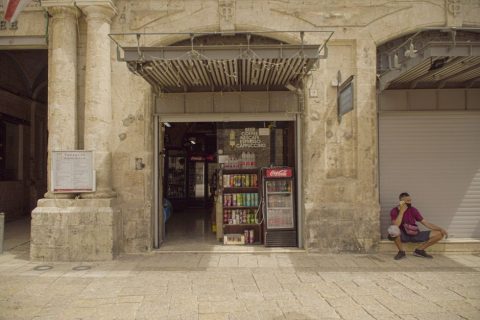
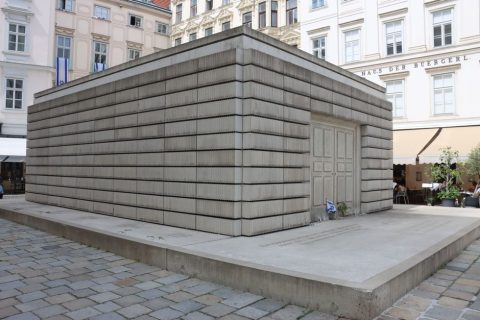
Real, highly-rated Restaurants in Jerusalem, sourced from Google Places (rating above 4★).
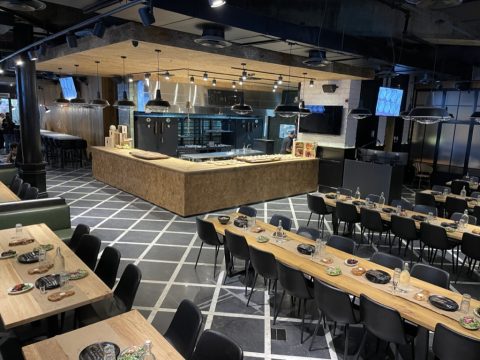
Pitmaster Jerusalem
Pitmaster Jerusalem is a highly-rated restaurant in Jerusalem, rated 4.8★ from 2038 reviews. Located at | מתחם סינימה סיטי, שדרות יצחק רבין 10, ירושלים, 9195000, Israel.
Opening Hours
- Monday: 8:00 – 11:00 PM
- Tuesday: 8:00 – 11:00 PM
- Wednesday: 8:00 – 11:00 PM
- Thursday: 6:00 – 8:30 PM, 9:30 PM – 12:00 AM
- Friday: Closed
- Saturday: 9:15 PM – 12:00 AM
- Sunday: 8:00 – 11:00 PM
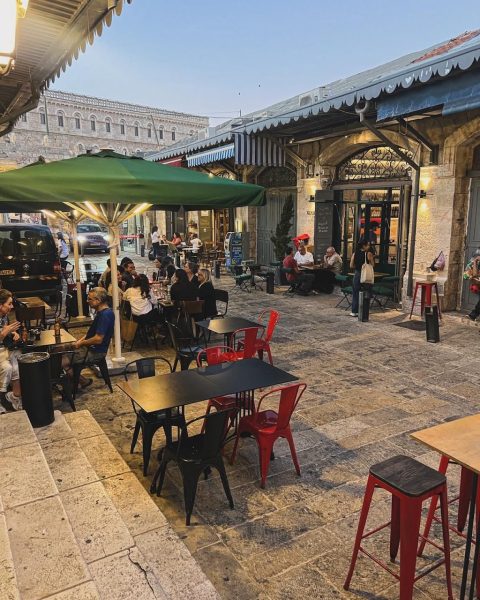
Rewined JLM
Rewined JLM is a highly-rated restaurant in Jerusalem, rated 4.8★ from 105 reviews. Located at New Gate 13, Jerusalem.
Opening Hours
- Monday: 5:00 PM – 12:00 AM
- Tuesday: 5:00 PM – 12:00 AM
- Wednesday: 5:00 PM – 12:00 AM
- Thursday: 5:00 PM – 12:00 AM
- Friday: 5:00 PM – 12:00 AM
- Saturday: 5:00 PM – 12:00 AM
- Sunday: Closed
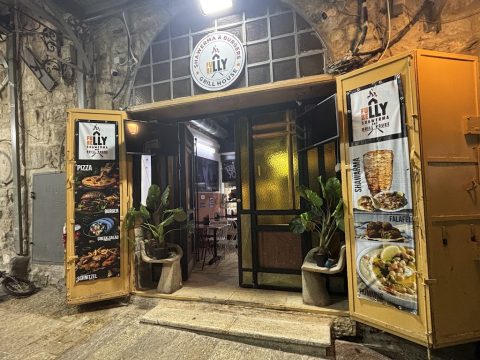
Fully Belly Grill House
Fully Belly Grill House is a highly-rated restaurant in Jerusalem, rated 4.8★ from 103 reviews. Located at Ma'alot E-Khanka St 34, Jerusalem.
Opening Hours
- Monday: 10:00 AM – 10:00 PM
- Tuesday: 10:00 AM – 10:00 PM
- Wednesday: 10:00 AM – 10:00 PM
- Thursday: 10:00 AM – 10:00 PM
- Friday: 10:00 AM – 10:00 PM
- Saturday: 10:00 AM – 10:00 PM
- Sunday: Closed
Explore Jerusalem on the Map
Best Time to Visit Jerusalem
Spring (March-May) and autumn (September-November) offer the most comfortable weather, mild temperatures and low rainfall, ideal for walking the Old City and hillside neighborhoods. Summer (June-August) is hot and dry with intense midday sun, manageable if you plan indoor visits during peak heat. Winter brings cooler temperatures and occasional rain, sometimes even light snow, but far fewer crowds at major sites. Jewish, Christian, and Muslim holidays (Passover, Easter, Ramadan, Sukkot) significantly affect crowd levels, opening hours, and hotel prices, check the calendar before booking.
Getting Around Jerusalem
The Jerusalem Light Rail (Red Line) runs from the northern suburbs through the city center to Mount Herzl, with a rechargeable Rav-Kav card usable on both trains and Egged buses. The Old City itself is entirely pedestrian, cars cannot enter most of it, so walking is unavoidable and the main way to experience it. Taxis and ride-hailing apps are widely available for longer hops or after dark, and most public transport stops completely for Shabbat from Friday afternoon to Saturday evening.
✈️ Airport Transfer
Ben Gurion Airport (TLV) to city center:
- Israel Railways Train: Direct service to Jerusalem-Yitzhak Navon Station in about 25 minutes, roughly 27 NIS
- Nesher Shared Taxi: Door-to-door shared minivan to anywhere in Jerusalem in 45-60 minutes, about 64 NIS per person
- Private Taxi: Fixed-rate ride to central Jerusalem in about 45 minutes, around 300-350 NIS
- Private Transfer: Pre-booked private car or minivan direct to your hotel in 40-50 minutes, roughly 350-450 NIS
Shopping in Jerusalem
The Mahane Yehuda Market is the best all-around stop for spices, baked goods, sweets, and local wine, plus a lively bar scene after dark. The Old City's souks, especially along David Street and the Christian Quarter, are packed with Judaica, olive wood carvings, ceramics, and religious souvenirs, bargaining is expected and part of the experience. For modern retail, Mamilla Avenue and the Malha Mall offer international and Israeli fashion brands in air-conditioned comfort.
Festivals & Events
The Jerusalem Light Festival (June) transforms the Old City walls and alleys with large-scale light installations and projections. The Israel Festival (May-June) brings international theater, dance, and music performances across the city. The Jerusalem Sacred Music Festival (September) stages concerts in churches, synagogues, and historic halls. Major religious holidays, Passover, Easter (celebrated on different dates by Western and Orthodox churches), Ramadan, and Sukkot, bring both larger crowds and unique seasonal atmosphere, but can also mean site closures and shifted opening hours.
Suggested Day-by-Day Itineraries
Day 1 - Old City Highlights: Jaffa Gate, Tower of David, Western Wall, Church of the Holy Sepulchre, and the Old City's Four Quarters on foot.
Day 2 - Ancient Jerusalem Underground: City of David, Hezekiah's Tunnel, Western Wall Tunnels, and the Davidson Center archaeological park.
Day 3 - Museums & Remembrance: Israel Museum in the morning, Yad Vashem in the afternoon, finishing at the Knesset if a tour slot is available.
Day 4 - Modern Jerusalem & Markets: Mahane Yehuda Market, Ben Yehuda Street, German Colony, and Mamilla Avenue, with an evening in the market's bars and restaurants.
Day 5 - Desert Day Trip: Sunrise at Masada followed by an afternoon floating in the Dead Sea, or alternatively a half-day in Bethlehem.
Best Photo Spots
The Mount of Olives viewpoint delivers the definitive panorama of the Old City and Dome of the Rock, especially beautiful at sunrise. Haas Promenade offers a similarly sweeping view from the south with fewer crowds. Inside the walls, the golden hour light on the Western Wall plaza and the arched alleys of the Mamilla Avenue are reliable favorites, and the colorful stalls and hanging lanterns of Mahane Yehuda Market make for lively street photography, especially on Friday mornings before Shabbat.
Electricity
Israel uses 230V, 50Hz with Type H sockets (three round pins in a triangle), though Type C (two round pins) plugs often fit as well. Visitors from the US, UK, and most of Asia will need a plug adapter; a voltage converter is only needed for devices not rated for 220-240V.
Food & Dining
Do not leave without trying hummus and freshly fried falafel, a Jerusalem mixed grill (meorav yerushalmi) of spiced offal and chicken, sabich (fried eggplant and egg in pita), and sweet rugelach or knafeh from a bakery stall. Mahane Yehuda Market is the single best place to sample a wide range of dishes from different stalls in one visit. Many restaurants in Jerusalem, particularly in Jewish areas, keep kosher and close for Shabbat, plan Friday evening and Saturday dining around the Old City's Muslim and Christian Quarters or East Jerusalem instead.
Where to Stay in Jerusalem
Jerusalem's neighborhoods each offer a distinct base, so the right pick depends on your travel style.
- Old City (Four Quarters): Ideal for first-time visitors who want to wake up steps from the Western Wall, the Church of the Holy Sepulchre, and the Al-Aqsa compound. Guesthouses here are simple and atmospheric, though narrow alleys mean dragging luggage over stone can be tricky.
- German Colony (Emek Refaim): A leafy, walkable strip of cafes, boutiques, and restored Templer-era houses, well suited to families and business travelers who want modern comforts, easy tram access, and a calmer pace after sightseeing.
- Mea Shearim: Best for travelers wanting an immersive look at ultra-Orthodox life; lodging options are limited and modest dress is expected, making it a niche pick rather than a typical tourist base.
- Ein Karem: A quiet, hillside village on Jerusalem's edge with garden guesthouses and slow mornings, appealing to couples and travelers seeking a peaceful retreat away from the city center's crowds and nightlife.
For budget travelers, hostels clustered near the Old City's Jaffa Gate offer the cheapest beds within walking distance of major sites, while those craving nightlife should lean toward German Colony or the nearby city center for bars and late-night eateries.
Jerusalem Travel Budget
Daily costs in Jerusalem are given in Israeli shekels (₪) and cover a wide range depending on travel style.
- Budget (₪250-350/day): Hostel dorm bed in the Old City or Downtown runs ₪120-180. Meals mean falafel, shawarma, or hummus plates from ₪25-45 each, keeping food to roughly ₪90-120/day. A Rav-Kav card covers light rail and buses at about ₪5.5 per ride, or ₪20 for a day pass. Many top sights, like the Western Wall, Mount of Olives viewpoints, and Old City walking, are free.
- Mid-range (₪700-1,000/day): A 3-star hotel or boutique guesthouse in Mamilla or the German Colony costs ₪450-700. Sit-down restaurant meals average ₪150-220/day. Add ₪40-60 for transport, including occasional short taxi hops. Paid attractions such as the Tower of David Museum or Israel Museum run ₪54-70 per entry, and a City of David ticket is about ₪55.
- Luxury (₪2,200+/day): Five-star hotels near Mamilla or the King David area start around ₪1,500-2,500 per night. Fine dining easily reaches ₪350-500 per person per day. Private drivers or taxis add ₪150-300, and guided private tours of the Old City or Yad Vashem start near ₪600 for a half-day.
Tip: Friday afternoon through Saturday evening is Shabbat, when many restaurants, shops, and buses pause, so budget cash and plan meals ahead.
Is Jerusalem Worth Visiting?
Yes, Jerusalem is absolutely worth visiting, its Old City packs more layered history into half a square kilometer than almost anywhere else on Earth, letting you walk from the Western Wall to the Church of the Holy Sepulchre to the Dome of the Rock in a single afternoon.
- Living heritage, not a museum: The Old City's four quarters remain functioning neighborhoods, so ancient rituals and daily life unfold side by side along the same stone alleys.
- Sacred sites found nowhere else together: Few destinations let travelers experience the holiest places of Judaism, Christianity, and Islam within walking distance of one another.
- A city of contrasts: Beyond the golden domes and market souks, West Jerusalem offers a modern Israeli city with excellent restaurants, museums like Yad Vashem and the Israel Museum, and a lively contemporary arts scene.
- Easy base for day trips: Bethlehem, the Dead Sea, and Masada are all within an hour or two, making Jerusalem a practical hub for exploring the wider region.
For travelers drawn to history, faith, and architecture, Jerusalem rewards even a short visit and easily justifies several days on any itinerary.
Tourist Passes
City of David Combined Ticket
Bundles entry to the City of David excavations with Hezekiah's Tunnel and, depending on the option chosen, the Western Wall Tunnels, at a discount over separate tickets, and lets you skip re-booking each site individually.
www.cityofdavid.org.ilIsrael Museum Annual Pass
Worthwhile for longer stays or repeat visits, this pass covers unlimited entry to the Israel Museum's galleries, temporary exhibitions, and the Shrine of the Book for a full year.
www.imj.org.ilTower of David Museum & Night Show Combo
A combined daytime museum entry and evening Night Spectacular sound-and-light show ticket, priced lower than buying the two experiences separately.
www.tod.org.ilMore about Jerusalem
Photo credits (43)
- Tower of David (Jerusalem Citadel): photo by אורי אלוני, CC BY-SA 4.0, via Wikimedia Commons
- Chords Bridge (Bridge of Strings): photo by Little Savage, Public domain, via Wikimedia Commons
- Knesset and the Menorah Monument: photo by Deror avi, CC BY-SA 3.0, via Wikimedia Commons
- Israel Museum: photo by Original uploader was אסף.צ at he.wikipedia, CC BY-SA 3.0, via Wikimedia Commons
- Yad Vashem (Holocaust History Museum): photo by Godot13, CC BY-SA 4.0, via Wikimedia Commons
- Bible Lands Museum: photo by Oren Rozen, CC BY-SA 4.0, via Wikimedia Commons
- Museum on the Seam: photo by יעקב, CC BY-SA 3.0, via Wikimedia Commons
- Rockefeller Archaeological Museum: photo by Carole Raddato from FRANKFURT, Germany, CC BY-SA 2.0, via Wikimedia Commons
- Western Wall (Kotel): photo by Golasso, CC BY-SA 4.0, via Wikimedia Commons
- Church of the Holy Sepulchre: photo by Gerd Eichmann, CC BY-SA 4.0, via Wikimedia Commons
- Temple Mount & Dome of the Rock: photo by Godot13, CC BY-SA 4.0, via Wikimedia Commons
- Mount of Olives & Garden of Gethsemane: photo by brionv from San Francisco, United States, CC BY-SA 2.0, via Wikimedia Commons
- Garden Tomb: photo by Gary Todd from Xinzheng, China, CC0, via Wikimedia Commons
- City of David: photo by Omerm, CC BY-SA 4.0, via Wikimedia Commons
- Western Wall Tunnels: photo by Berthold Werner, Public domain, via Wikimedia Commons
- Davidson Center & Jerusalem Archaeological Park: photo by McKaby, CC BY-SA 4.0, via Wikimedia Commons
- Via Dolorosa: photo by Anton 17, CC BY-SA 3.0, via Wikimedia Commons
- Jaffa Gate & Ramparts Walk: photo by Fallaner, CC BY-SA 4.0, via Wikimedia Commons
- Ben Yehuda Street: photo by Yasmine.shal, CC BY-SA 4.0, via Wikimedia Commons
- Mea Shearim: photo by רוני קניגסברג, CC BY 2.5, via Wikimedia Commons
- German Colony (Emek Refaim): photo by Hagai Agmon-Snir حچاي اچمون-سنير חגי אגמון-שניר, CC BY-SA 4.0, via Wikimedia Commons
- Ein Karem: photo by Hagai Agmon-Snir حچاي اچمون-سنير חגי אגמון-שניר, CC BY-SA 4.0, via Wikimedia Commons
- Gan Sacher (Sacher Park): photo by Gilabrand, CC BY-SA 3.0, via Wikimedia Commons
- Haas Promenade (Tayelet): photo by Ori~, Public domain, via Wikimedia Commons
- Jerusalem Bird Observatory: photo by User:Ranbar, CC BY-SA 3.0, via Wikimedia Commons
- Bethlehem & Church of the Nativity: photo by Ray in Manila, CC BY 2.0, via Wikimedia Commons
- Dead Sea & Masada: photo by Mohammad Shad Siddiqui, CC BY-SA 4.0, via Wikimedia Commons
- Abu Ghosh: photo by Moataz1997, CC BY-SA 4.0, via Wikimedia Commons
- Bloomfield Science Museum: photo by Hagai Agmon-Snir حچاي اچمون-سنير חגי אגמון-שניר, CC BY-SA 4.0, via Wikimedia Commons
- Jerusalem Biblical Zoo (Tisch Family Zoological Gardens): photo by Yoninah, CC BY-SA 3.0, via Wikimedia Commons
- Train Track Park (HaTachana to Emek Refaim area): photo by Yoninah, CC BY-SA 4.0, via Wikimedia Commons
- Jerusalem Festival of Light: photo by Yeudameir, CC BY-SA 4.0, via Wikimedia Commons
- Israel Festival Jerusalem: photo by Amire80, CC BY-SA 4.0, via Wikimedia Commons
- Jerusalem Marathon: photo by israeltourism from Israel, CC BY 2.0, via Wikimedia Commons
- Monastery of the Cross: photo by Hagai Agmon-Snir حچاي اچمون-سنير חגי אגמון-שניר, CC BY-SA 4.0, via Wikimedia Commons
- Underground Prisoners Museum: photo by Deror avi, CC BY-SA 3.0, via Wikimedia Commons
- Zedekiah's Cave (Solomon's Quarries): photo by Chmee2, CC BY 3.0, via Wikimedia Commons
- Ticho House (Beit Ticho): photo by avishai teicherUser:Avi1111, Public domain, via Wikimedia Commons
- Chamber of the Holocaust (Martef HaShoah): photo by Adam Jones from Kelowna, BC, Canada, CC BY-SA 2.0, via Wikimedia Commons
- Mojo's: photo by User:Grey Wanderer, CC BY-SA 3.0, via Wikimedia Commons
- Satya: photo by Unknown authorUnknown author, Public domain, via Wikimedia Commons
- Chakra: photo by Pinhas stern, CC BY-SA 4.0, via Wikimedia Commons
- The Eucalyptus: photo by StateofIsrael, CC BY-SA 2.0, via Wikimedia Commons


.jpg)

.jpg)

.jpg)
.jpg)


.JPG)
_P084_Jerusalem_Ramparts_walk_Jaffa_Road.jpg)
.jpg)


.jpg)


.JPG)

.jpg)


_(8115598599).jpg)