Beyond its monuments, Jerusalem is a patchwork of tightly knit neighborhoods, each with a distinct religious, cultural, or architectural identity.
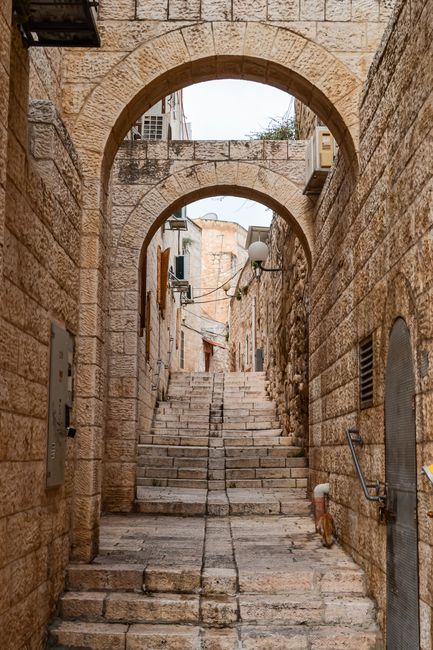
Old City's Four Quarters
The walled Old City is traditionally divided into the Jewish, Muslim, Christian, and Armenian Quarters, each with its own character, markets, and religious institutions packed into less than one square kilometer. Wandering between them on foot, without a fixed itinerary, is one of the best ways to experience Jerusalem's density of history and daily life side by side.

German Colony (Emek Refaim)
Built by German Templers in the 1870s, this leafy neighborhood along Emek Refaim Street preserves handsome stone houses with red-tiled roofs, now filled with cafes, restaurants, and boutique shops. It's one of the most relaxed, walkable areas for a break from Old City intensity, especially popular for weekend brunch.
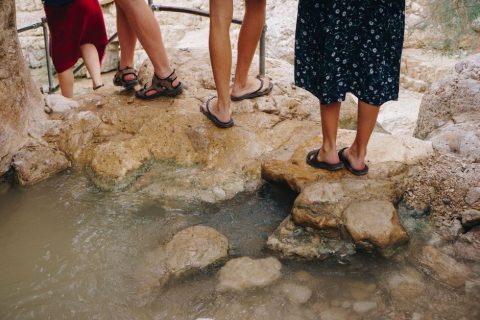
Ein Karem
Traditionally identified as the birthplace of John the Baptist, this former Arab village on Jerusalem's western edge is now a picturesque enclave of stone houses, artist studios, and pilgrimage churches, including the Church of the Visitation and Church of St. John the Baptist, set among hillside terraces and a spring-fed valley.
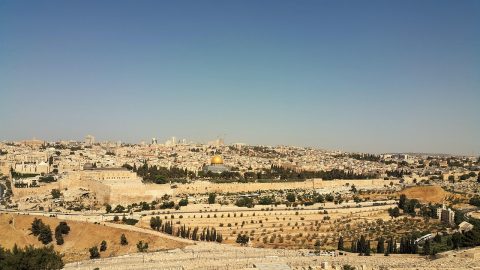
Mea Shearim
One of the oldest Jewish neighborhoods outside the Old City walls, Mea Shearim is home to a large Ultra-Orthodox community and feels frozen in an earlier era, with Yiddish-language signage and a strict dress code posted at its entrances. Visitors are welcome to walk through respectfully, dressed modestly, but should avoid visiting on Shabbat and refrain from photographing residents without permission.
Tips for Neighborhoods & Districts
- Mea Shearim observes strict modest dress, long sleeves and long skirts/trousers for all visitors
- Almost everything in Mea Shearim and much of the Old City closes from Friday afternoon through Saturday evening for Shabbat
- Ein Karem is easiest reached by taxi or bus, it sits outside easy walking distance from the center