From Dead Sea Scrolls to Holocaust remembrance, Jerusalem's museums hold some of the most significant historical and cultural collections in the world.
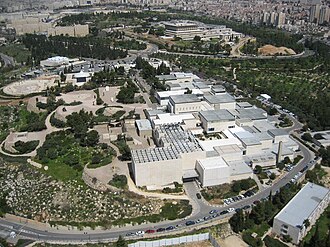
Israel Museum
Israel's largest museum houses the Shrine of the Book, home to the Dead Sea Scrolls, alongside the Model of Jerusalem in the Second Temple Period, an Archaeology Wing spanning prehistory to the Ottoman era, and a fine arts wing with works by Van Gogh, Monet, and Chagall. The outdoor Art Garden, designed by Isamu Noguchi, is worth an hour on its own. Plan at least half a day, the campus is large and easy to spend far longer in.

Yad Vashem (Holocaust History Museum)
Israel's official Holocaust memorial combines a powerful chronological history museum, the Hall of Names archiving victims' identities, the Children's Memorial with its haunting hall of mirrors and candlelight, and the Avenue of the Righteous Among the Nations. It is emotionally intense and deliberately unhurried, most visitors need three to four hours to move through it properly. Entry is free but the site is large; wear comfortable shoes.
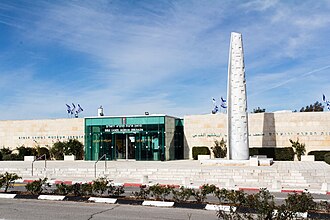
Bible Lands Museum
A lesser-visited gem next to the Israel Museum, this collection traces the cultures of the ancient Near East, Egypt, Mesopotamia, Persia, and Canaan, that shaped the world of the Bible. Well-labeled exhibits of seals, pottery, and sculpture make it easy to follow even without a background in archaeology, and it rarely feels crowded, a calm counterpoint to the busier Israel Museum next door.
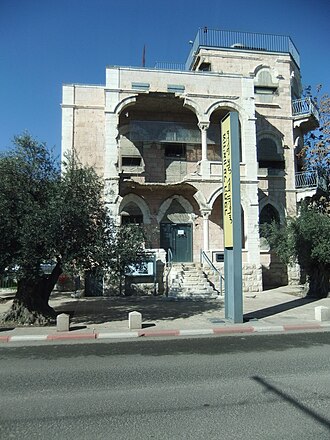
Museum on the Seam
Housed in a former military outpost on the old dividing line between East and West Jerusalem, this socio-political contemporary art museum uses rotating exhibitions to explore conflict, coexistence, and human rights. It is one of the more thought-provoking, less touristy stops in the city and offers a different lens on Jerusalem than its ancient sites.
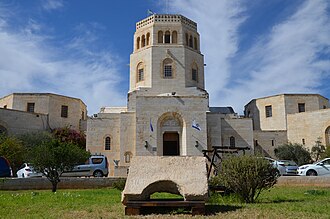
Rockefeller Archaeological Museum
Built in the 1930s in a striking blend of Islamic and Art Deco architecture, this museum displays artifacts excavated across the Holy Land from prehistoric times through the Ottoman period, including finds from Lachish and Hisham's Palace. Free entry and consistently uncrowded, it rewards visitors interested in archaeology who want depth without the crowds of the larger museums.
Tips for Museums & Galleries
- Yad Vashem and the Israel Museum are both large, do not try to combine them in one day
- Yad Vashem entry is free but the Holocaust History Museum requires a reasonable amount of walking and emotional bandwidth
- This is too broad: the Israel Museum is open on Saturdays, as well as on Fridays with shorter hours. Check each museum’s schedule individually.