Long before it became a beach destination, the Algarve (from the Arabic al-Gharb, "the West") was a Roman province and later the last Moorish stronghold on the Iberian Peninsula, leaving behind ruins that trace two millennia of occupation.
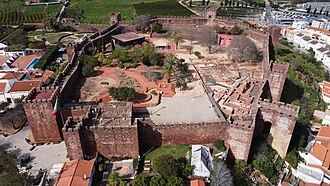
Silves Castle (Castelo de Silves)
The Algarve's finest Moorish fortress, its distinctive red sandstone walls dominate the hilltop town of Silves, once the region's medieval capital under Moorish rule (Xelb). Inside, visitors can walk the ramparts, explore underground cisterns, and view archaeological excavations of the former royal palace. The adjacent hilltop cathedral and old town streets make Silves one of the Algarve's most historically rich inland towns.
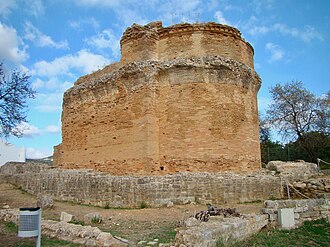
Roman Ruins of Milreu (Estói)
The best-preserved Roman archaeological site in the Algarve, occupied from the 1st to 6th centuries AD. Highlights include the remains of a luxurious villa with underfloor heating, bath complexes decorated with fish mosaics, and a temple later converted into a Christian chapel. Set in the countryside near the pastel-pink Palácio de Estói, it offers an evocative, uncrowded glimpse into provincial Roman life.
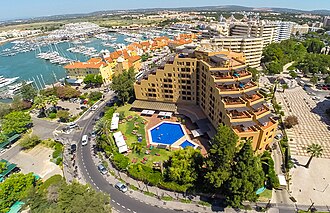
Cerro da Vila Roman Ruins (Vilamoura)
Incongruously set amid Vilamoura's modern marina and golf resorts, this site reveals over a thousand years of continuous occupation, from Iron Age settlement through Roman fish-salting works to Moorish habitation. Excavated mosaic floors, a bath house, and a small on-site museum explain the fish-salting and garum production that once drove the local economy, offering an unexpected historical contrast to the surrounding resort development.
Tips for Ancient & Historical Sites
- Combine: Milreu ruins pair naturally with a visit to the nearby Palácio de Estói
- Shade: Silves Castle has little shade — visit morning or late afternoon in summer
- Footwear: Uneven ancient paving at all three sites calls for sturdy shoes