Beyond the postcard cliffs and boat tours, the Algarve hides a quieter side: whitewashed hamlets overlooking the lagoon, a rococo palace few tourists find, a jungle waterfall, and a limestone plateau laced with hiking trails. These spots reward travelers willing to rent a car and wander inland or along the region's less-photographed coastal fringes.
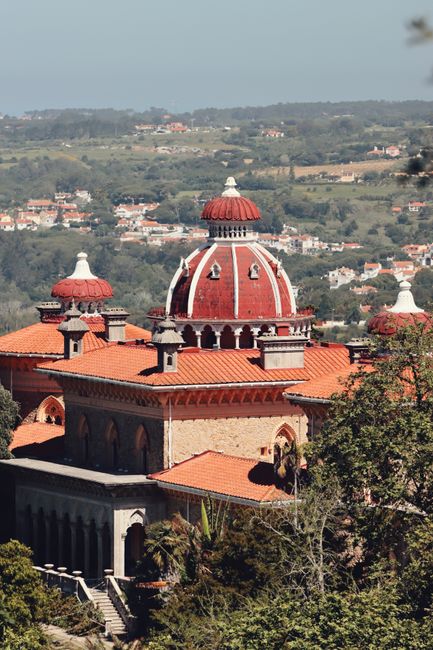
Palácio de Estói
Tucked in the hills above Faro, this pastel-pink rococo palace is one of the Algarve's most overlooked architectural treasures. Built in the late 18th century by a local count, it fell into disrepair for decades before being restored and converted into a luxury pousada, though its formal Italianate gardens remain open to casual visitors for a small fee. Wander past tiled fountains, statues, and azulejo panels while sipping a coffee on the terrace overlooking the countryside. The palace's Belle Époque interiors, with frescoed ceilings and gilded mirrors, feel like a forgotten stage set. Because it sits just beside the better-known Roman ruins nearby, most day-trippers skip it entirely, leaving the gardens pleasantly uncrowded even in high season. Come in late afternoon when the light hits the pink facade best.
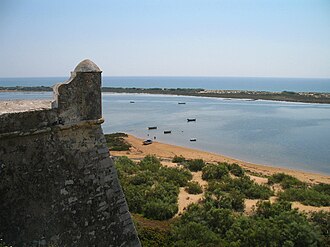
Cacela Velha
This tiny fortified hamlet east of Tavira has barely a dozen houses, a whitewashed church, and a crumbling 18th-century fort, yet it offers one of the most spectacular views over the Ria Formosa lagoon in the entire region. There are no souvenir shops or crowds, just narrow lanes, bougainvillea-draped walls, and a single terrace café where locals nurse coffee for hours. A steep path leads down to a secluded tidal beach that is only reachable on foot or by small boat, keeping it far quieter than the region's main strands. Historically a strategic lookout point against pirate raids, the settlement still feels frozen in time. Visit at sunset when the light turns the lagoon channels gold and the fishing boats glide in with the tide. It is easy to miss on a map, which is exactly why it stays so peaceful.
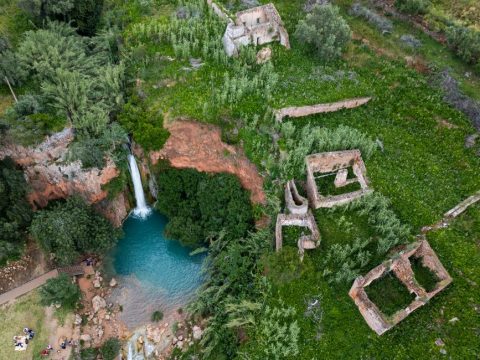
Pego do Inferno Waterfall
Despite its dramatic name meaning Well of Hell, this small waterfall near Tavira is a peaceful, emerald-green swimming hole ringed by cork oaks and limestone rock. A short, flat woodland trail from the parking area makes it accessible for most fitness levels, and there are wooden platforms for sunbathing or watching dragonflies skim the pool. It rarely appears on coastal itineraries since it sits inland, away from the beach-hopping crowds, so even in August it stays relatively calm compared to the coast. Water flow varies with the season, fullest after winter rains and gentler by midsummer, but the pool itself remains a refreshing detour from the heat. Bring water shoes, as the rocks underfoot can be slick, and pack a picnic since there are no facilities on site. It is a favorite with locals looking to escape the tourist strip.
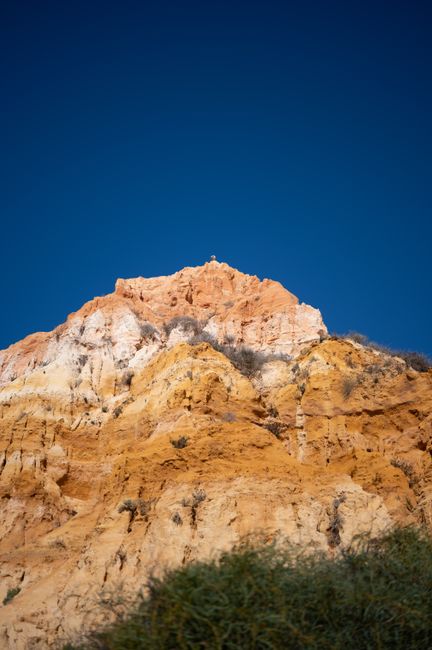
Rocha da Pena
This limestone plateau near the inland village of Salir offers one of the Algarve's best short hikes, a roughly 5-kilometer loop through wildflower meadows, dry-stone walls, and jagged karst outcrops. The reward at the top is a panoramic sweep from the Monchique hills all the way to the coast, with almost no other hikers in sight even on weekends. Spring brings a spectacular bloom of orchids and rockroses, drawing a small but devoted crowd of birdwatchers hoping to spot Bonelli's eagles and eagle owls nesting in the cliffs. The trail is unmarked in places, so a downloaded map or GPS track helps, and sturdy shoes are essential given the loose rock. There are no cafés or shade along the route, so bring water and sun protection. For travelers craving genuine countryside away from the coast, this is the Algarve most visitors never see.
Tips for Hidden Gems
- Rent a car for these spots — public transport rarely reaches inland villages or trailheads.
- Visit Cacela Velha and Pego do Inferno in shoulder season or early morning to enjoy them at their quietest.
- Wear proper hiking shoes for Rocha da Pena and bring more water than you think you need.
- Combine Palácio de Estói with a countryside drive rather than a rushed stop — the gardens deserve unhurried time.