The Algarve keeps a lively calendar year-round, from pre-Lenten carnival parades to summer music festivals and medieval fairs that spill through whitewashed old towns. Coastal resorts add fireworks and open-air concerts through the warmer months, while inland towns like Loulé and Silves anchor the region's biggest traditional gatherings. Plan a visit around one of these dates to see the Algarve at its most festive.
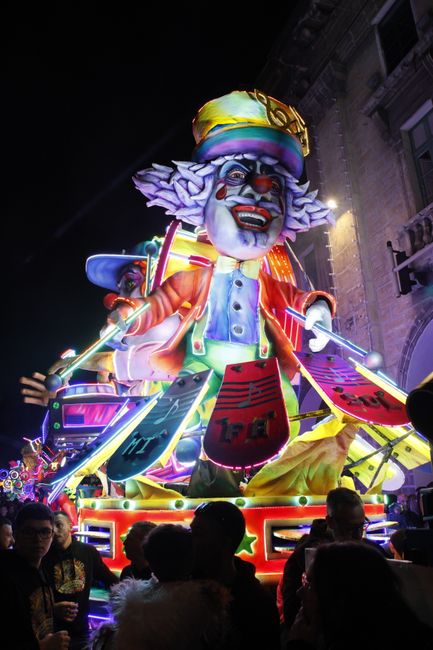
Loulé Carnival Parade
One of Portugal's oldest and most flamboyant carnivals, the Loulé Carnival transforms this inland Algarve town into a riot of colour, samba rhythm and satirical floats. Expect the celebration to run from 13 to 17 February 2026, The 2026 parade dates were February 15–17 (Sunday through Tuesday); February 14 was not a parade day. Dancers in elaborate Brazilian-style costumes perform alongside floats poking fun at local and national politics, a tradition dating back over a century. Street food stalls, live bands and a dedicated childrens parade round out the programme. Arrive early to claim a spot along the barriers, as the route through the town centre fills quickly. It is a rare chance to see Algarve locals cut loose after the quiet winter months, and hotel rooms in Loulé and nearby Faro book up well in advance.
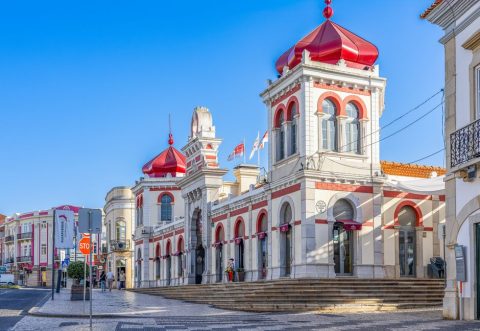
Festival MED - World Music Festival, Loulé
Every summer the historic centre of Loulé becomes an open-air stage for Festival MED, a free world-music festival celebrating the sounds of the Mediterranean, Africa and Latin America. The main festival ran June 25–27, with a free-admission Open Day on June 28., with multiple stages set among the towns cobbled squares, castle walls and market building. Beyond the concerts, a sprawling handicraft market sells textiles, ceramics and jewellery from artisans across three continents, and food stalls serve dishes to match the festivals global theme. Circus performers, fire shows and DJ sets keep the energy going well past midnight. Entry is free, which makes it one of the best-value cultural events in the Algarve, though visitors should expect the town to be extremely busy and parking scarce. Comfortable shoes are essential for navigating the sloped, cobbled streets between stages.
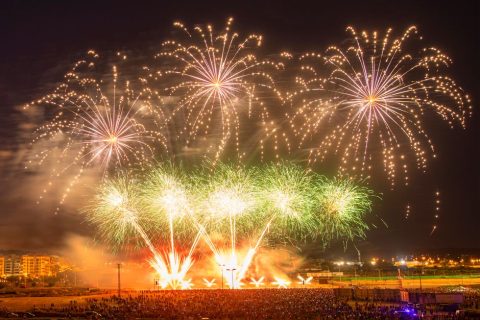
New Year's Eve Fireworks, Vilamoura Marina
The Algarves biggest New Years Eve celebration lights up Vilamoura Marina on the night of 31 December 2026, when a large fireworks display explodes over the yachts and waterfront restaurants at midnight. Crowds gather along the marina promenade from early evening, with bars and restaurants hosting live DJs and countdown parties that spill outdoors regardless of the mild winter temperatures. Nearby Albufeira holds a similar, slightly smaller display over its old town cliffs, and many visitors combine both by staying along the coast between the two resorts. Book a marina-view table well ahead, as restaurants with a direct sightline to the fireworks sell out weeks in advance. Free public viewing spots remain available along the promenade for those happy to stand, making it an accessible and spectacular way to welcome the new year on the Atlantic coast.
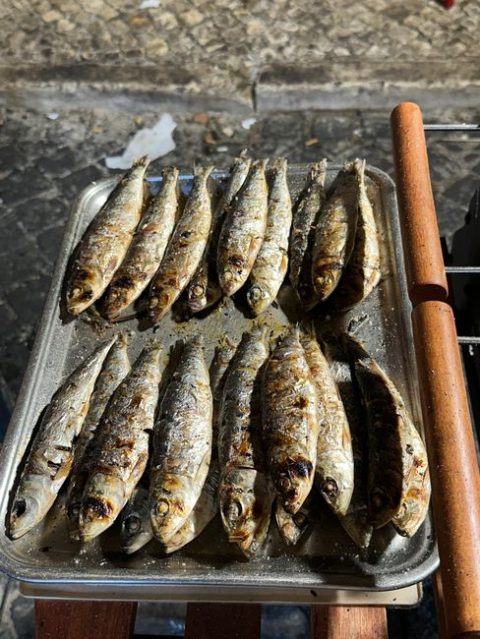
Portimão Sardine Festival
The Festival da Sardinha celebrates Portimãos fishing heritage with grilled sardines served fresh along the riverside promenade. Scheduled for roughly 4 to 9 August 2026, the festival fills the marina area with smoky grill stalls, folk music performances and traditional dance troupes each evening. Locals and visitors alike sit at long communal tables sharing sardines with boiled potatoes, salad and Algarve wine, a simple meal rooted in the towns canning-industry past. Free concerts run nightly on a purpose-built stage, ranging from Portuguese pop to traditional fado. Go hungry and go early, since the best grill stalls develop long queues once the evening crowds arrive. The festival is a family-friendly affair with activities for children and a noticeably festive, unpretentious atmosphere that contrasts with the polish of Portimãos nearby resort beaches.
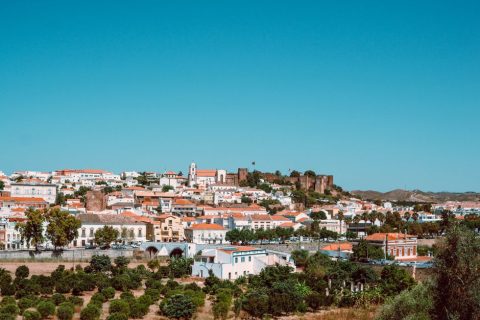
Silves Medieval Fair
Silves, once the Moorish capital of the Algarve, turns back the clock each summer for the Feira Medieval de Silves. Expected to take place from 20 to 30 August 2026 around the towns red-sandstone castle, the fair fills the streets with costumed performers, jousting displays, falconry shows and market stalls selling leather goods, spices and mead. Fire breathers and musicians roam the crowds while actors re-enact scenes from the towns Moorish and Christian past against the backdrop of the fortress walls. Food stalls serve medieval-style roasted meats and bread, and children can try archery or watch blacksmiths at work. Evenings tend to be the liveliest, with torch-lit processions and live performances once the day's heat has faded. The setting beneath the castle ramparts makes this one of the most atmospheric themed events anywhere in southern Portugal.
Tips for Events Calendar
- Book accommodation in Loulé, Portimão or Silves months ahead if visiting during their signature festival dates, as rooms sell out fast.
- Most street festivals are free to attend, but arrive early for the best viewing spots along parade routes and stages.
- Check official municipal tourism sites closer to the date, as exact festival dates can shift slightly year to year.
- Wear comfortable shoes for cobbled old-town venues like Loulé and Silves.
- Combine a summer festival visit with a beach day, since most towns hosting these events sit within a short drive of the coast.