Algarve churches blend Gothic, Renaissance, and Baroque styles shaped by Moorish-era mosques converted after the Christian Reconquista, often decorated with hand-painted azulejo tiles and gilded woodwork.
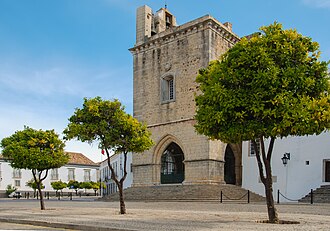
Sé de Faro (Faro Cathedral)
Built on the site of a former mosque within Faro's walled Cidade Velha, this cathedral mixes Gothic, Renaissance, and Baroque elements accumulated since the 13th century. Climbing the bell tower rewards visitors with sweeping views over the old town's terracotta roofs to the Ria Formosa lagoon. The gilded main chapel and 17th-century azulejo panels are highlights of the interior.
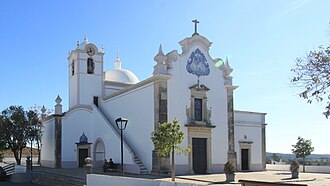
Igreja de São Lourenço (Almancil)
A deceptively plain white exterior conceals one of the Algarve's most stunning interiors: walls and domed ceiling entirely covered in blue-and-white 18th-century azulejo tiles depicting the life of St. Lawrence, painted by master tiler António de Oliveira Bernardes. Widely regarded as one of Portugal's finest Baroque churches, it rewards a short detour from the coastal resorts near Vale do Lobo.
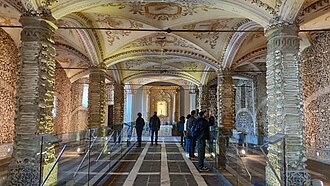
Capela dos Ossos (Chapel of Bones), Faro
A small 19th-century chapel attached to the Igreja do Carmo, its interior walls entirely lined with the skulls and bones of over 1,200 monks, exhumed from an overcrowded monastery cemetery. An inscription above the door reads "Stop here and think of the fate that will befall you" — a memento mori typical of similar chapels across Portugal. Striking and macabre rather than gruesome, it draws steady visitor interest.
Tips for Religious Sites
- Dress code: Cover shoulders and knees when visiting churches and chapels
- Photography: Flash photography is typically prohibited to protect tile pigments
- Small fee: Both Igreja do Carmo and Faro Cathedral charge a modest entry fee