Away from the resort strips, the Algarve's old towns preserve a distinctly Portuguese character: whitewashed houses with wrought-iron balconies, cobbled lanes, and squares shaded by orange trees.
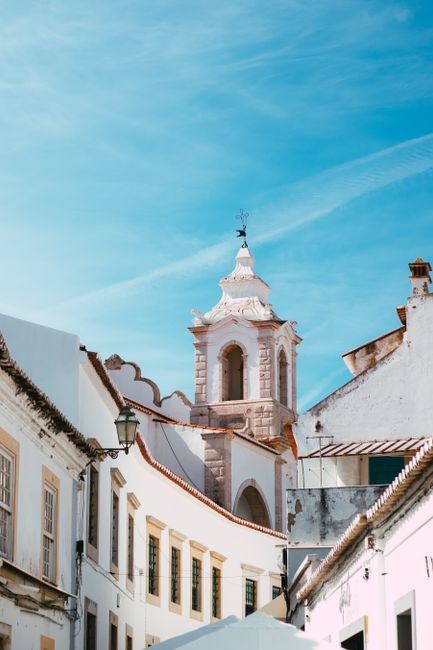
Lagos Old Town
Encircled by 16th-century walls, Lagos's historic center is a maze of cobbled pedestrian streets, lively squares, and pastel townhouses that served as a launch point for early Portuguese voyages of discovery. Praça Gil Eanes and the ornate Igreja de Santo António sit alongside boutiques, tascas (traditional taverns), and a bustling marina. Its compact, walkable scale and mix of history and nightlife make it the Algarve's most popular base.
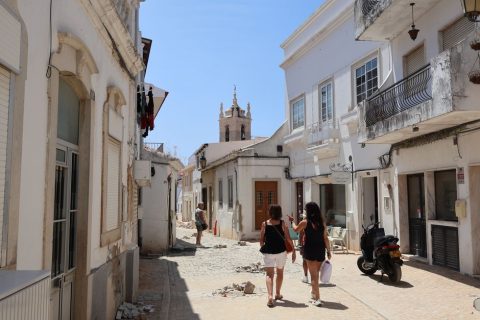
Tavira Old Town
Often called the Algarve's most elegant town, Tavira straddles the Gilão River, linked by a Roman-origin seven-arched bridge. Its skyline of over 30 church towers, a hilltop castle garden, and riverside cafés give it a refined, unhurried character distinct from the busier resort towns. Ferries connect to the unspoiled Ilha de Tavira barrier-island beach nearby.
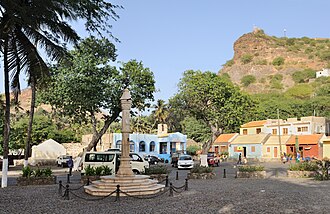
Faro Old Town (Cidade Velha)
Faro's walled old quarter, entered through the 18th-century Arco da Vila gateway, is a quiet enclave of orange-tree-lined streets around the cathedral. Storks nest atop the medieval walls, and the nearby marina looks out over the Ria Formosa lagoon. Though smaller than Lagos or Tavira's old towns, its compact charm and lack of crowds make it an easy half-day walk, often overlooked by travelers heading straight for the beaches.
Tips for Neighborhoods & Districts
- Golden hour: Old town streets photograph best in the low light of early evening
- Storks: Look up in Faro — storks nest on rooftops and walls throughout the old town
- Ferry timing: Check return ferry times before crossing to Ilha de Tavira