The Algarve's coastline is punctuated by dramatic geological formations and fortified monuments that mark the edge of continental Europe. From wind-battered clifftop fortresses to sea-carved rock arches, these landmarks define the region's identity.
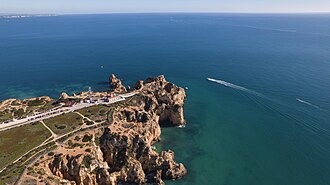
Ponta da Piedade
A dramatic headland near Lagos where ochre limestone cliffs plunge into turquoise Atlantic water, carved into arches, grottoes, and free-standing rock pillars. A lighthouse marks the point, and a staircase descends to a small jetty where boat tours depart into the caves. Best visited at sunrise or sunset when the rock glows golden. Kayaking and small-boat excursions let visitors paddle directly through the arches.
Benagil Sea Cave
The Algarve's most photographed natural wonder: a sea cave with a partial dome roof open to the sky, accessible only by kayak, paddleboard, or boat tour from Benagil beach or Portimão/Lagos marinas. Sunlight streams through the circular opening onto a small sandy interior beach. Arrive early morning to avoid crowds and rough afternoon swell; landing inside the cave is now restricted, but boats can enter and circle within it.
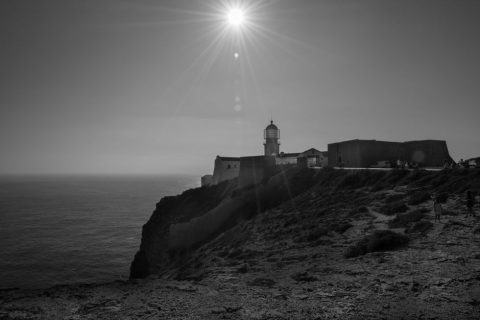
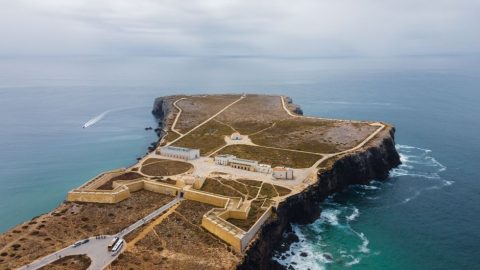
Sagres Fortress (Fortaleza de Sagres)
Perched on a windswept promontory at Portugal's southwestern tip, this 15th-century fortress is linked to Henry the Navigator and the launch of Portugal's Age of Discovery. Inside the sparse walls, a vast stone wind-compass and simple chapel overlook sheer 60-meter cliffs facing the open Atlantic. Nearby Cabo de São Vicente, the southwesternmost point of mainland Europe, offers an equally dramatic lighthouse and sunset viewpoint.
Tips for Landmarks & Monuments
- Timing: Visit Ponta da Piedade and Benagil early morning for calm seas and soft light
- Safety: Cliff-edge paths have no barriers in places — keep well back, especially in wind
- Booking: Benagil boat/kayak tours sell out in summer — book a day ahead
- Combine: Sagres and Cabo de São Vicente are 6km apart and easily visited together