Regional museums document the Algarve's layered past — Moorish rule, the age of maritime discovery, fishing and cork industries, and the transatlantic slave trade that once operated from its ports.
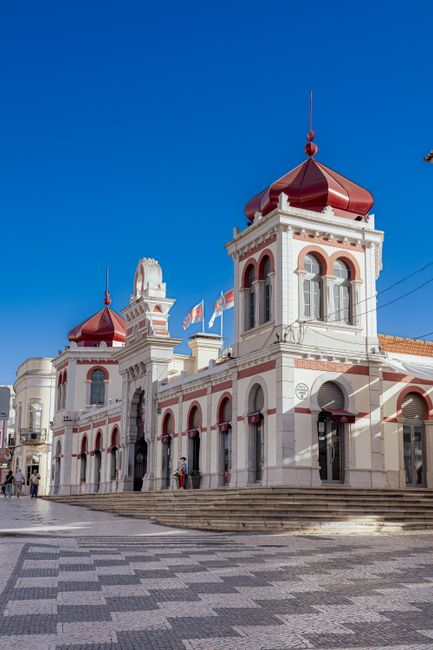
Museu Municipal de Faro
Housed in the elegant 16th-century Convento de Nossa Senhora da Assunção, Faro's municipal museum traces the region's history from prehistory through Roman occupation to the present. The highlight is a large, intricately detailed 3rd-century Roman floor mosaic depicting Neptune and the four winds, excavated locally. Cloisters and period rooms display archaeological finds, azulejo panels, and religious art.
Slave Market Museum (Núcleo Museológico do Mercado de Escravos)
A small, sobering museum on the site of Europe's first slave market, established in Lagos in 1444. Exhibits document the origins of the transatlantic slave trade and its lasting historical impact, using original documents, artifacts, and multimedia displays. Compact but essential for understanding a difficult chapter of the Algarve's role in the Age of Discovery.
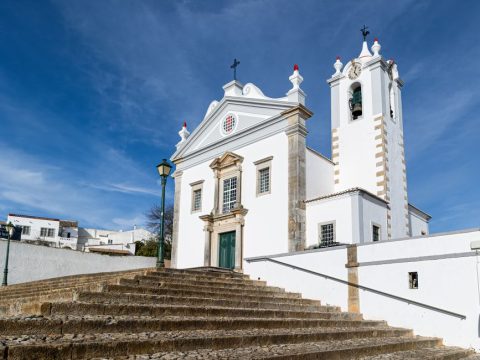
Museu de Portimão
An award-winning museum built inside a former sardine cannery on Portimão's riverfront, preserving original industrial machinery alongside exhibits on the town's fishing heritage, archaeology, and contemporary art. The atmospheric factory setting, with dramatic lighting through the original structure, has won multiple European museum awards. Temporary exhibitions rotate regularly.
Tips for Museums & Galleries
- Free days: Free-entry days and hours vary by museum; check each museum’s current admission policy rather than assuming Sunday-morning free entry.
- Cool refuge: Museums make a good midday escape from peak summer heat
- Context first: Visit the Slave Market Museum before wandering Lagos's old town walls