From Roman ruins to medieval citadels, Transylvania's historical sites span two millennia. The region's strategic position made it a crossroads of civilizations, leaving behind Dacian fortresses, Roman settlements, and perfectly preserved medieval towns that earned UNESCO recognition.
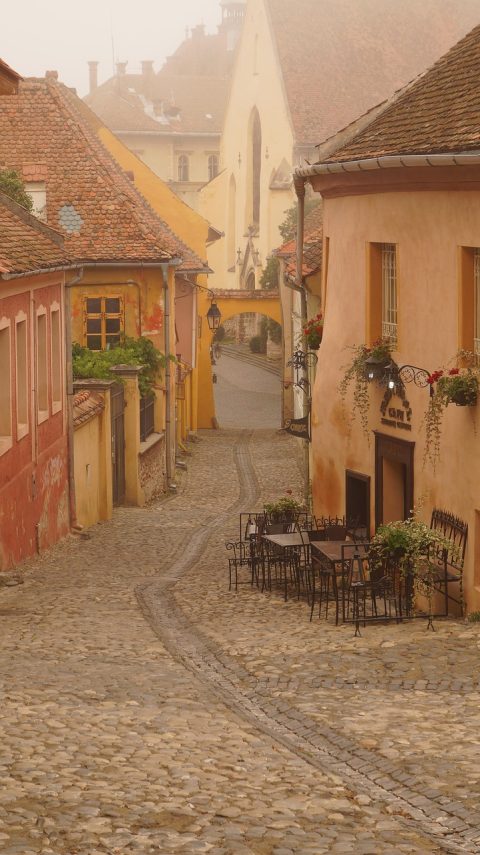
Sighișoara Medieval Citadel
Sighișoara is a remarkably preserved inhabited medieval citadel. This perfectly preserved 12th-century Saxon town features nine towers, cobblestone streets, colorful merchant houses, and Gothic churches. Climb the covered wooden stairway (Scholar's Stairs, 172 steps) to the Church on the Hill. Visit Vlad Dracul's house, now a restaurant and museum. The Clock Tower museum offers panoramic views and historical exhibits. Summer medieval festivals bring history alive with costumed performances and craft demonstrations.
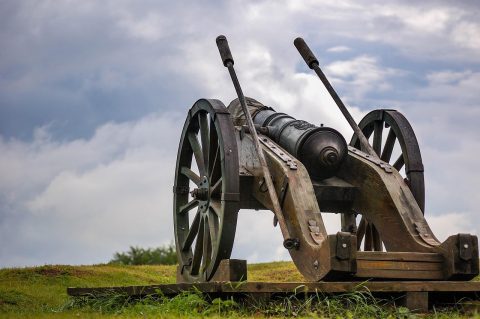
Alba Iulia Fortress
Massive star-shaped Vauban fortress representing over 2000 years of history from Roman Apulum to modern Romania. The site witnessed the 1918 unification of Transylvania with Romania. Seven gates lead into the citadel containing museums, Orthodox and Catholic cathedrals, and the Coronation Cathedral where Romanian kings were crowned. Daily Changing of the Guard ceremonies in Habsburg-era uniforms occur at noon. Walk along the impressive walls for views of the city and surrounding hills. Archaeological park displays Roman ruins including amphitheater remains.
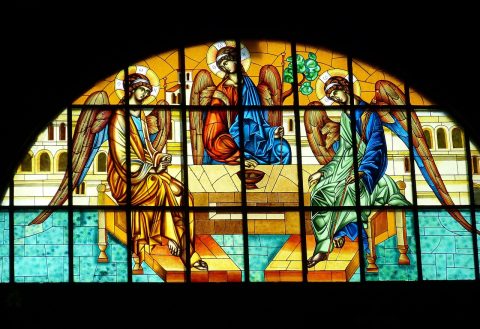
Sibiu Historic Center
A beautifully preserved medieval Saxon town named European Capital of Culture in 2007. The historic center divides into Upper and Lower Towns connected by stairs and passages. Famous for houses with 'eye' windows that seem to watch passersby. Large Square (Piața Mare) hosts festivals and markets surrounded by Baroque buildings. The Bridge of Lies, Romania's oldest cast-iron bridge, comes with legends about dishonest people causing it to collapse. Council Tower offers panoramic views. The city's cultural scene includes theaters, art galleries, and year-round festivals.
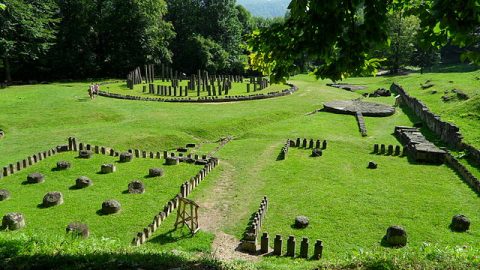
Sarmizegetusa Regia
The ancient capital of the Dacian Kingdom and UNESCO World Heritage Site, perched in the Orăștie Mountains. This sacred and military complex from the 1st century BC features circular sanctuaries, defensive walls, and terraced structures. The site reveals sophisticated Dacian civilization before Roman conquest. The sacred area includes the Great Round Sanctuary with its massive limestone columns arranged in a precise circular pattern. Remote mountain location requires hiking but rewards visitors with spectacular views and connection to pre-Roman history. Important for understanding Transylvania's ancient roots.
Tips for Ancient & Historical Sites
- Wear sturdy shoes - cobblestones and uneven surfaces common in historic areas
- Free walking tours available in major towns, tips expected but great value
- Archaeological sites often lack shade - bring sun protection and water
- Combined tickets for town attractions save money - available at tourist information centers
- Early morning visits best for photography without crowds in popular citadels