Transylvania's historic neighborhoods reflect multicultural heritage with distinct Saxon, Hungarian, and Romanian quarters. From bohemian arts districts to traditional craftsmen's streets, each neighborhood offers unique character, architecture, and local atmosphere beyond typical tourist paths.
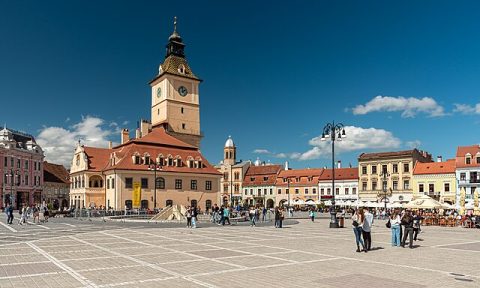
Schei District (Brașov)
The historic Romanian quarter where Romanian citizens were required to live during Saxon rule. This atmospheric neighborhood centers around the First Romanian School Museum and the beautiful Church of St. Nicholas. Narrow streets lined with traditional houses climb the hillside offering views of Brașov. The area maintains authentic character with small workshops, traditional restaurants, and quieter atmosphere than the main tourist center. Sunday farmers' market showcases local produce and crafts. Perfect for understanding Romanian cultural identity within the Saxon-dominated medieval city.
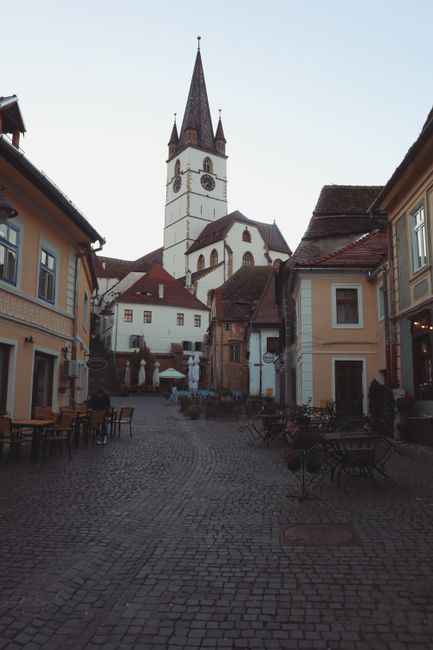
Lower Town (Sibiu)
Connected to Sibiu's Upper Town by the famous Liars' Bridge, this area features narrower streets, craftsmen's workshops, and riverside walks. Historically home to artisans and merchants, it maintains a more intimate, residential character. The Passage of Stairs connects both levels through a covered passage. Galleries, antique shops, and cozy restaurants occupy medieval buildings. The Lower Town offers authentic glimpses of daily life away from main tourist flows while remaining accessible and safe.
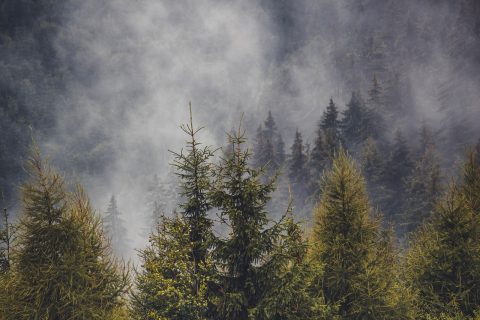
Cetățuia District (Cluj-Napoca)
A hillside neighborhood offering panoramic views of Cluj from the Belvedere lookout point. Winding streets with elegant villas from the early 20th century create a peaceful residential atmosphere. The Hoia Forest nearby adds natural appeal. Popular with Cluj residents for weekend walks and picnics. Several good restaurants with terraces offer sunset views over the city. Less touristy but easily accessible by walking or driving from the center. The area represents Cluj's expansion beyond medieval walls.
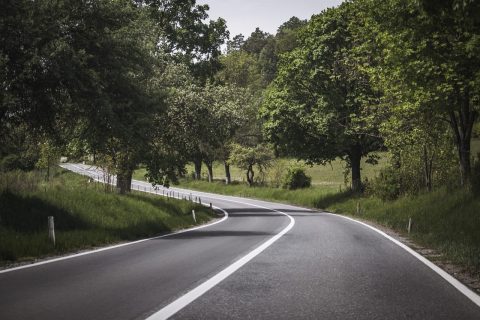
Sub Tâmpa (Brașov)
The neighborhood beneath Mount Tâmpa and the Hollywood-style Brașov sign. This area blends residential housing with tourist amenities including the cable car station. Walking trails begin here leading up the mountain for hikers. The district offers authentic interactions with locals while staying close to main attractions. Small parks, playgrounds, and cafés cater to families. The cable car provides easy mountain access for spectacular city views. Local markets and bakeries give visitors chances to experience daily Romanian life beyond the tourist center.
Tips for Neighborhoods & Districts
- Local guides - neighborhoods best explored with local guides who share insider stories
- Respectful photography - residential areas deserve privacy; avoid photographing people without permission
- Small businesses - support local cafés and shops in residential neighborhoods
- Safety - neighborhoods are generally very safe, but avoid poorly lit areas at night
- Language basics - learning a few Romanian phrases appreciated in residential areas