Transylvania's strategic location enables diverse day trips to surrounding regions. Explore medieval Moldavian monasteries with exterior frescoes, venture into the remote Maramureș with wooden churches, or discover the stunning Danube Delta. Each excursion reveals different facets of Romania's rich cultural and natural heritage.
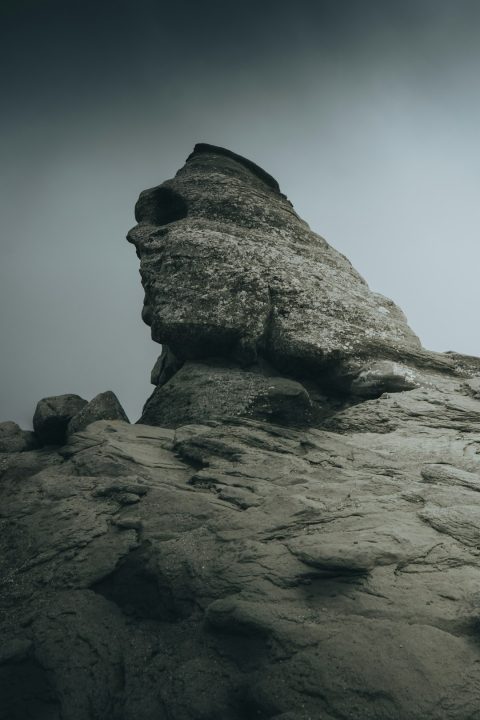
Bucegi Mountains & Sphinx
A dramatic mountain range featuring bizarre rock formations including the famous Sphinx and Babele (Old Ladies). Cable car from Bușteni provides easy access to 2,000m+ altitude. The natural rock formations resemble faces and figures, inspiring legends. Hiking trails connect various formations with stunning Carpathian views. The Bucegi Plateau offers relatively flat walking after the cable car ascent. Caraiman Peak features a massive Heroes' Cross monument. Popular year-round with summer hiking and winter skiing. Weather can be harsh with strong winds. Mountain hut restaurant serves traditional food. Day trip from Brașov or overnight in Bușteni/Sinaia.
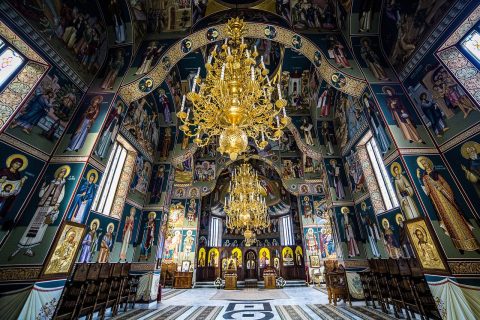
Painted Monasteries of Bucovina
UNESCO World Heritage sites featuring exterior frescoes from the 15th-16th centuries. Voroneț (the 'Sistine Chapel of the East'), Moldovița, Sucevița, and Arbore showcase vivid biblical scenes painted on outer walls. The famous 'Voroneț Blue' color remains vibrant after 500 years. These monasteries represent unique Byzantine art and Romanian Orthodox traditions. Located in northeastern Romania, they require overnight stay or very long day trip from Transylvania. Best visited with a guide who can explain the complex iconography. Spring and summer show the frescoes in best light. Combined tours visit 3-4 monasteries in one day.
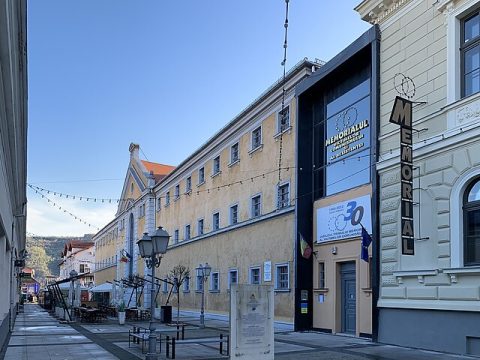
Maramureș Region
A remote northern region where traditional rural life continues largely unchanged. Famous for UNESCO-listed wooden churches with tall spires, Maramureș preserves authentic village culture. Residents wear traditional clothing daily, practice ancient crafts, and maintain centuries-old customs. The Merry Cemetery in Săpânța features colorful carved wooden crosses with humorous epitaphs. Horse-drawn carts remain primary transport in many villages. Stay with local families for authentic experience. Summer brings haymaking and sheep festivals. Located 4-5 hours from Cluj, best as 2-3 day trip. Experiencing genuine traditional European culture before modernization.
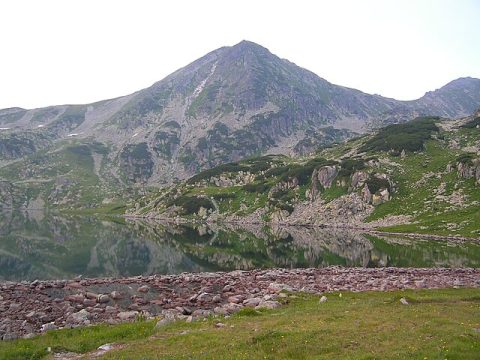
Retezat National Park
Romania's first national park and wildest mountain range, featuring over 80 glacial lakes and pristine alpine wilderness. Retezat hosts rare wildlife including chamois, marmots, and Europe's largest population of large carnivores. Hiking trails range from valley walks to challenging peak ascents over 2,500m. Lake Bucura, Romania's largest glacial lake, reflects surrounding peaks spectacularly. Multi-day treks through the park offer serious mountain adventure. Mountain huts provide basic accommodation. Best visited June-September. Requires good fitness and mountain experience. Remote location means limited facilities. True wilderness experience for serious outdoor enthusiasts.
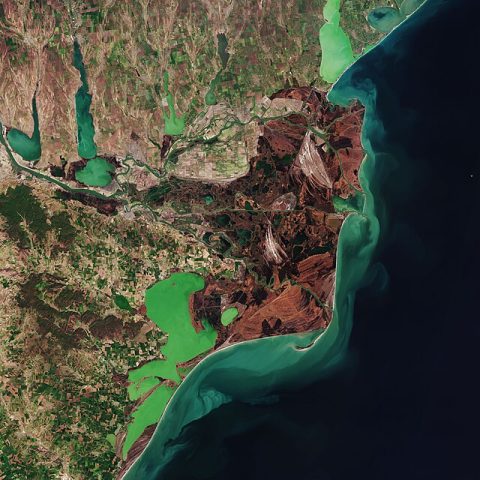
Danube Delta
Europe's largest wetland and UNESCO Biosphere Reserve, where the Danube River meets the Black Sea. This unique ecosystem hosts over 300 bird species including pelicans, making it a paradise for birdwatchers. Boat trips navigate channels through reed beds, visiting traditional fishing villages accessible only by water. The Letea Forest features unusual sand dunes and wild horses. Stay in Tulcea or within the delta for immersive experience. Best visited May-June or September for bird migrations. Summer brings heat and mosquitoes but maximum wildlife activity. Located far from Transylvania (8+ hours) but worth the journey for nature lovers.
Tips for Day Trips & Excursions
- Overnight stays recommended - most day trips are distant; consider 2-day excursions for relaxed pace
- Guided tours valuable - remote areas benefit from local knowledge and logistics support
- Early starts necessary - many destinations require 2-4 hours travel each way
- Pack accordingly - mountain weather unpredictable; bring layers and rain protection
- Fuel and food - rural areas have limited services; plan refreshment stops
- Local guides essential for Maramureș and Painted Monasteries to understand cultural context