Transylvania showcases remarkable religious diversity with UNESCO-listed fortified Saxon churches, ornate Orthodox cathedrals, Gothic Catholic basilicas, and historic synagogues. These sacred spaces reflect centuries of coexistence among multiple faiths and offer stunning examples of medieval and Baroque architecture.
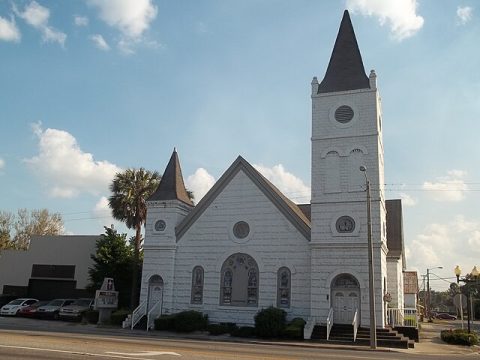
Black Church (Biserica Neagră, Brașov)
The largest Gothic church in Romania and Southeastern Europe, named for smoke-blackened walls from a 1689 fire. This Lutheran cathedral features stunning rib vaults, a massive 4,000-pipe organ with summer concerts, and one of Europe's finest collections of Oriental carpets (over 100 Anatolian rugs). The church tower offers panoramic city views. Notable features include Renaissance pews, Gothic stone carvings, and stained glass windows. The church remains an active Lutheran parish serving Brașov's Saxon community.
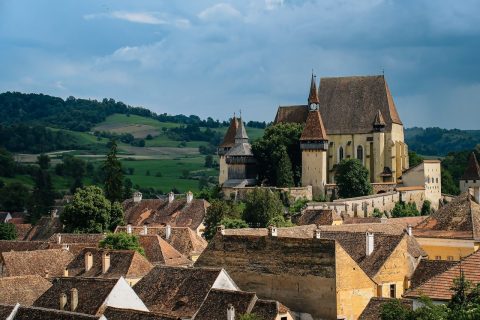
Biertan Fortified Church
A UNESCO World Heritage site and one of Transylvania's most impressive fortified churches, featuring triple walls and defense towers. Built between 1490-1524, this Gothic church served as the Saxon Bishop's seat for 300 years. The altarpiece features 28 painted panels depicting biblical scenes. The famous door lock with 15 bolts and intricate mechanism symbolized Saxon craftsmanship. The 'divorce prison' held couples considering separation, forcing them to share one plate and spoon to encourage reconciliation.
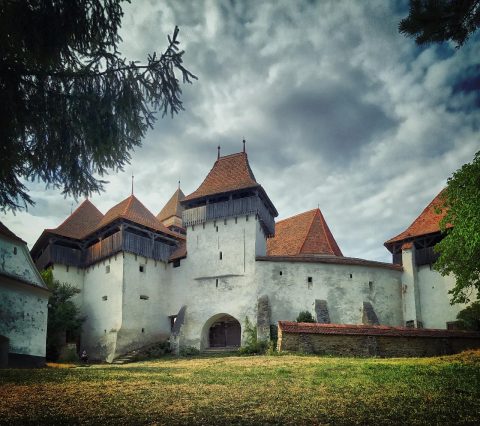
Viscri Fortified Church
Another UNESCO gem in a picturesque Saxon village that caught Prince Charles's attention, leading him to purchase and restore property here. The 12th-century church sits atop a hill surrounded by white walls and defensive towers. The village remains remarkably authentic with traditional Saxon houses, horse-drawn carts, and minimal modern intrusions. Visit the village museum showcasing traditional crafts and lifestyle. The church's simplicity contrasts beautifully with elaborate fortifications, representing the Saxon community's priorities: faith and security.
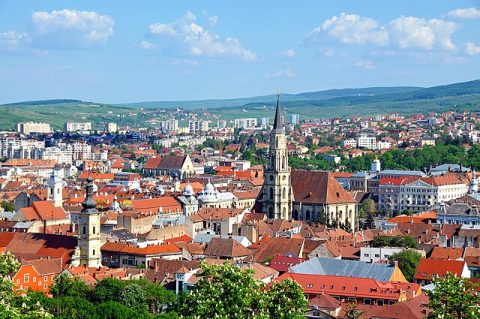
St. Michael's Church (Cluj-Napoca)
A magnificent Gothic Catholic cathedral dominating Unirii Square, built between 1349-1487. The 80-meter neo-Gothic tower (added in 1859) provides spectacular views of Cluj. Inside, admire the ribbed vaulted ceiling, ornate altars, and stained glass windows. The church houses the tomb of King Matthias Corvinus's father, John Hunyadi. The building represents the Hungarian Catholic community's historical influence in Transylvania. Regular organ concerts showcase the church's excellent acoustics.
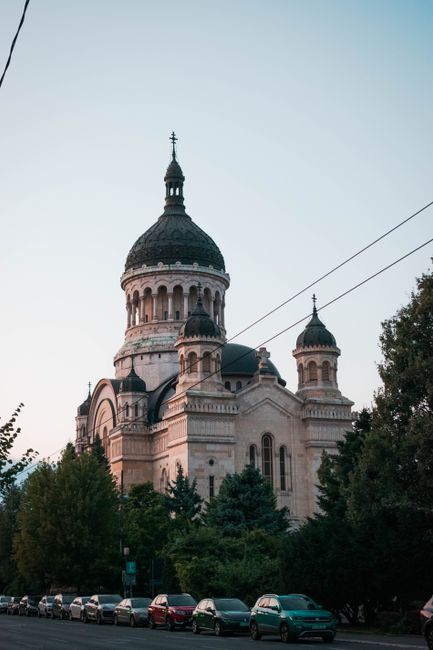
Orthodox Cathedral (Cluj-Napoca)
A stunning Byzantine-style cathedral completed in 1933, featuring colorful frescoes, golden domes, and intricate mosaics. The cathedral's architecture blends Romanian and Byzantine elements with modern construction techniques. Interior paintings by renowned artist Anastase Demian depict biblical scenes and Romanian saints. The cathedral serves as the seat of the Orthodox Metropolitan of Cluj and represents Romanian religious identity in this multicultural city. The peaceful courtyard offers respite from the busy city center.
Tips for Religious Sites
- Dress modestly when visiting active churches - cover shoulders and knees
- Services schedule - avoid visiting during religious services unless participating respectfully
- Fortified church access - many village churches require finding the key keeper; ask locals or check notice boards
- Donation encouraged - small contributions help maintain these historic buildings
- Guided tours offer deeper insights into religious history and architectural details