Transylvania's museums offer fascinating insights into centuries of multicultural heritage, from Roman artifacts and medieval manuscripts to contemporary Romanian art. The region's diverse history is reflected in specialized collections showcasing Saxon traditions, Hungarian culture, and Romanian folklore.
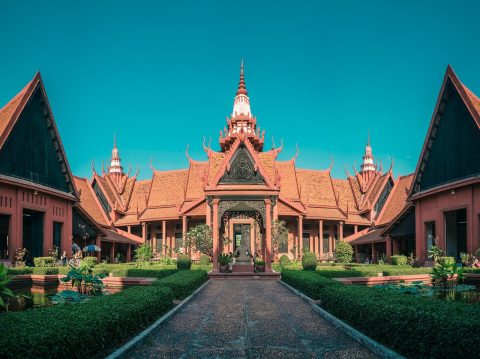
ASTRA National Museum Complex (Sibiu)
One of Europe's largest open-air ethnographic museums, spanning 96 hectares with over 300 authentic buildings. Traditional houses, windmills, watermills, churches, and workshops from across Romania showcase rural architecture and lifestyle. Live demonstrations of traditional crafts, folk festivals throughout summer, and interactive exhibits bring history to life. The museum's indoor section displays textiles, ceramics, and folk art collections. Perfect for families with walking trails through forests connecting exhibition areas.
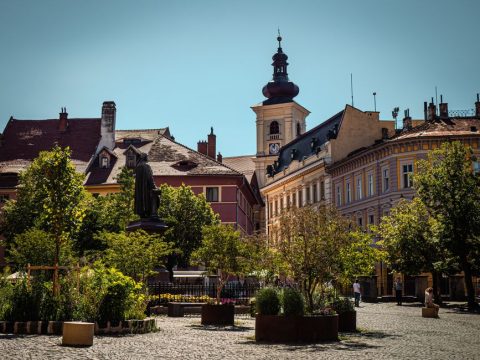
Brukenthal National Museum (Sibiu)
Romania's oldest museum, established in 1817, housed in a stunning Baroque palace. The art gallery features European masters including Rubens, Van Dyck, and a renowned collection of Transylvanian Saxon art. Additional sections include natural history, pharmaceutical history in an authentic 16th-century pharmacy, and decorative arts. The palace itself is an architectural treasure with ornate frescoed ceilings and period furnishings representing aristocratic life in 18th-century Transylvania.
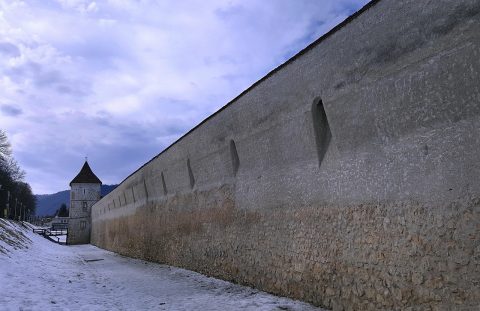
History Museum of Transylvania (Cluj-Napoca)
Comprehensive collection spanning prehistoric times to modern era, housed in a former magistrate's palace. Highlights include Roman artifacts from the ancient Napoca settlement, medieval weapons and manuscripts, Renaissance art, and a treasure room with gold and silver objects. The Pharmacy Museum section recreates an authentic 19th-century apothecary. Rotating exhibitions focus on specific periods of Transylvanian history, showcasing the region's multicultural heritage through Hungarian, Saxon, and Romanian perspectives.
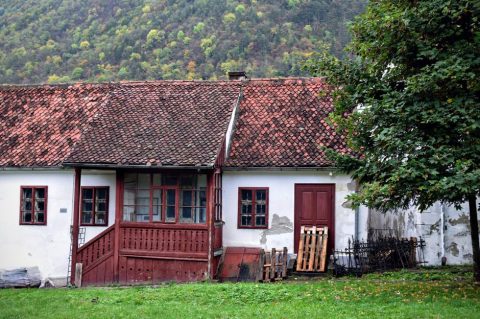
First Romanian School Museum (Brașov)
Located in a 15th-century building where the first Romanian books were printed. The museum preserves the original printing press, rare religious manuscripts, and the first Romanian-language texts that helped preserve Romanian culture during foreign rule. Visitors can see how medieval monks created illuminated manuscripts and learn about education in medieval Transylvania. The adjacent church features beautiful frescoes and represents early Romanian Orthodox architecture in the region.
Tips for Museums & Galleries
- Museum passes available - Sibiu and Cluj offer multi-museum tickets with significant savings
- Free admission days - many museums offer free entry on specific days monthly, check websites
- English audio guides available at major museums, inquire at entrance
- Photography policies vary - some museums prohibit flash or charge fees for photo permits
- Winter hours reduced - museums may close earlier or have limited days November-March