Transylvania is home to some of Europe's most spectacular medieval castles and fortifications, each with its own fascinating history and legends. From Dracula's legendary castle to stunning Renaissance palaces, these landmarks offer glimpses into centuries of Saxon, Hungarian, and Romanian heritage.
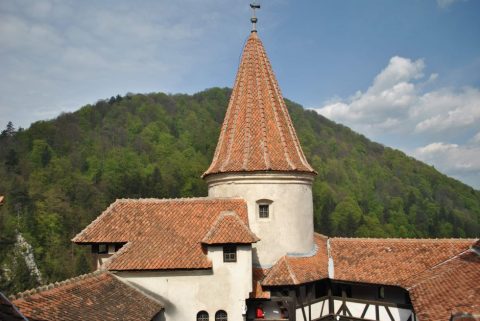
Bran Castle
Known worldwide as Dracula's Castle, this 14th-century fortress perches dramatically on a cliff between Transylvania and Wallachia. While Vlad the Impaler's actual connection is tenuous, the castle's Gothic architecture, secret passages, and atmospheric rooms make it Romania's most visited tourist attraction. The castle museum displays royal collections, medieval furniture, and armor. The surrounding courtyard features traditional Romanian houses and a small museum dedicated to Queen Marie.
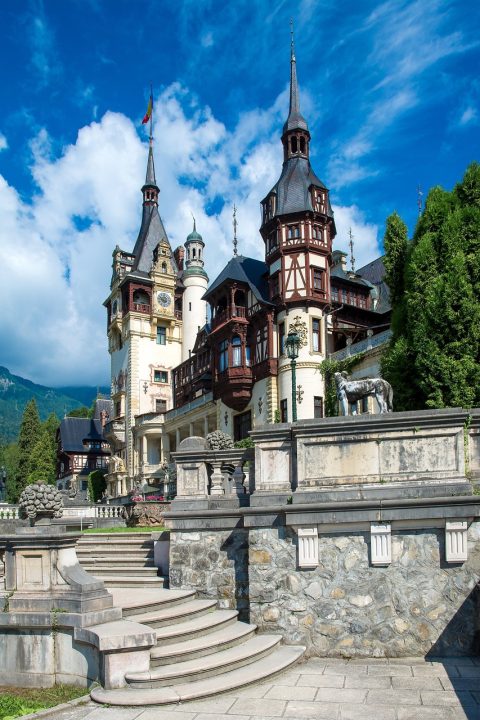
Peleș Castle
A Neo-Renaissance masterpiece nestled in the Carpathian Mountains near Sinaia. Built as the summer residence of King Carol I, The castle has 160 rooms, but visitors should check current access and closures: Peleș is closed Mondays and Tuesdays, and has a scheduled conservation closure from 2 November to 1 December 2026. The castle showcases exceptional craftsmanship with intricate wood carvings, leather-embossed walls, and a stunning central hall with retractable glass ceiling. It was one of Europe's first castles with electricity and central heating.
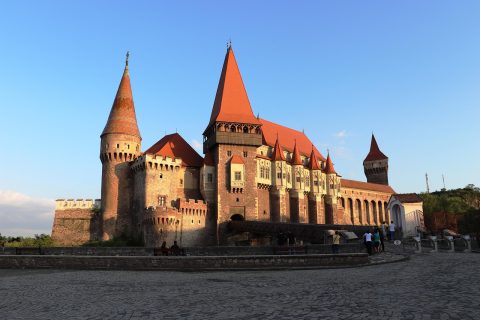
Corvin Castle (Hunedoara Castle)
One of Europe's largest and best-preserved Gothic-Renaissance castles, featuring imposing towers, dungeons, and a dramatic bridge entrance. Built in the 15th century by John Hunyadi, the castle combines military architecture with Renaissance elegance. Legend says Vlad the Impaler was imprisoned here. The castle's atmospheric halls, Knights' Hall with its massive fireplace, and underground passages make it a photographer's paradise and film location favorite.
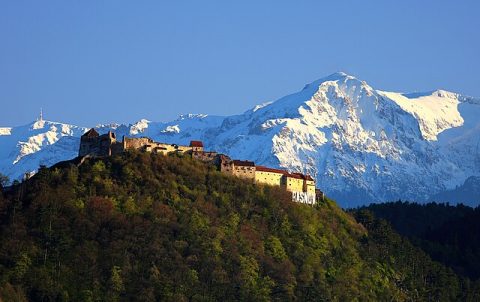
Râșnov Fortress
A peasant fortress built by Teutonic Knights around 1215, offering spectacular panoramic views of the Transylvanian valley. The fortress is closed for rehabilitation; visitors can enter the citadel garden, which has its own visiting hours. Walk through narrow cobblestone streets, explore medieval houses, and discover the deep well that legend claims was dug by Turkish prisoners. Recent renovations include viewing platforms and a small museum showcasing daily life in medieval times.
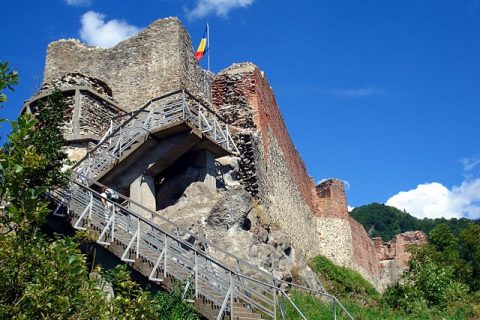
Poenari Castle
The real fortress of Vlad the Impaler, perched high on a cliff overlooking the Argeș River. Reaching this authentic medieval ruin requires climbing 1,480 stairs, but the effort rewards visitors with breathtaking views and an authentic connection to the historical Dracula. Poenari Citadel reopened to visitors on 14 April 2025 after conservation and consolidation works, the remaining towers and walls evoke the fortress's strategic importance. The dramatic mountain setting and historical significance make it a must-visit for Dracula enthusiasts seeking authenticity over commercialization.
Tips for Landmarks & Monuments
- Buy tickets online or at the payment kiosks; visits are sold for time slots, and tickets cannot be rescheduled or refunded.
- Visit early morning or late afternoon for better lighting and fewer crowds
- Wear comfortable shoes - many castles involve stairs and cobblestone paths
- Photography rules vary - some castles charge extra fees for photo permits or prohibit flash photography
- Combined tickets available for castle routes - check tourist offices for multi-castle passes