Beyond the Alhambra crowds, Granada hides a quieter layer of palaces, gardens, and studios that most itineraries never reach. These spots reward travelers willing to wander a few extra streets, offering solitude, unusual history, and some of the city's best unobstructed views.
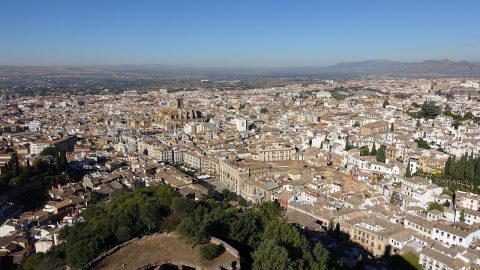
Monasterio de la Cartuja
Founded in 1506 and finished over three centuries, this Carthusian monastery is often called Granada's Baroque explosion for its sacristy, an overwhelming riot of marble, stucco, and gilded wood that rivals anything inside the Alhambra. Because it sits north of the historic center, most day-trippers never make it here, leaving the cloisters and church almost silent even in high season. The refectory features a striking trompe-l'oeil painting of the Last Supper, deliberately warped so it reads correctly only from the monks' seating angle. Few guides mention it, yet local art historians rank its sacristy among the finest Baroque interiors in Spain. Budget a slow hour to take in the ceiling frescoes and the eerily quiet courtyards. It's a short bus or taxi ride from the cathedral, making it an easy half-day pairing with a walk back through the university quarter.
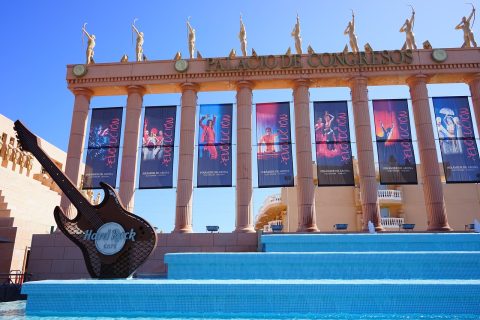
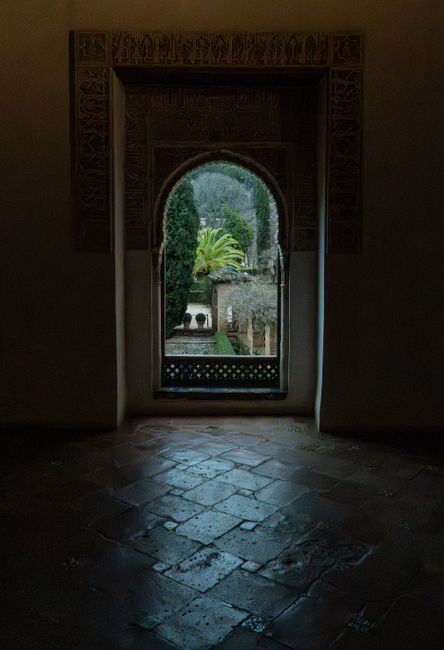
Palacio de Dar al-Horra
Tucked into a quiet corner of the upper Albayzín, this small 15th-century Nasrid palace once housed Aixa, mother of Boabdil, the last emir of Granada. Unlike the ticketed crowds at the main monuments, this palace is free to enter and typically empty, letting visitors linger over its carved wooden ceilings, horseshoe arches, and tower views across the rooftops toward the Alhambra. The building's modest scale makes it feel intimate rather than monumental, a rare chance to picture domestic Nasrid life rather than royal ceremony. Opening hours are limited and irregular, so it rewards spontaneous visitors more than planners. Combine it with a wander through the surrounding lanes, where whitewashed carmen walls hide similar architectural fragments rarely marked on maps. It's an easy stop while exploring the upper Albayzín away from the main viewpoint crowds.
Huerta de San Vicente
This whitewashed farmhouse was the García Lorca family's summer home, where the poet wrote some of his best-known plays before his death in 1936. Now surrounded by a public park rather than open countryside, it sits within easy walking distance of the center yet draws only a fraction of the visitors who queue for the cathedral or Capilla Real. Rooms preserve original furniture, letters, and the writing desk where Lorca worked, offering an intimate counterpoint to the grander monuments elsewhere in the city. Guided visits run in small groups and give real insight into Granada's literary and political history under the Republic. The surrounding rose gardens make a peaceful spot to sit afterward. It's an easy add-on for anyone interested in Spanish literature or the tensions that shaped the city in the 1930s.
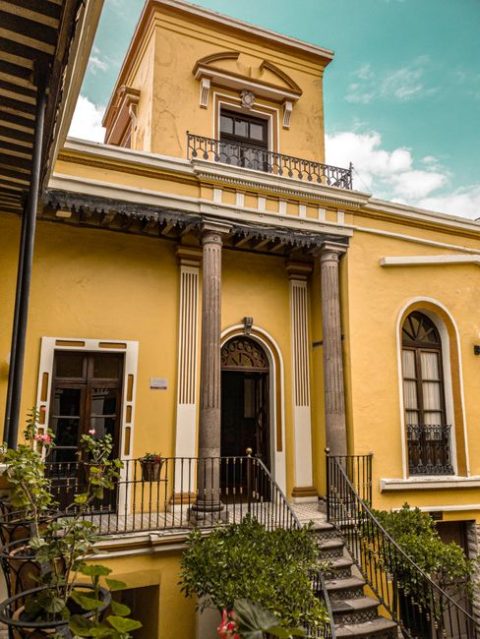
Casa Museo Max Moreau
This small house-museum preserves the home and studio of Belgian-born painter Max Moreau, who lived and worked in the Albayzín for decades. Wrapped in a lush, overgrown garden with fountains and citrus trees, the property feels like a private secret rather than a public attraction, and it usually is: visitor numbers are tiny compared to the nearby viewpoints. Inside, his canvases, sketches, and personal belongings remain largely as he left them, giving a rare artist's-eye view of Granada's light and rooftops. The garden alone is worth the visit, offering a shaded, fragrant retreat just steps from the busier Albayzín lanes. Entry is free, and the pace here is unhurried. It suits travelers who enjoy small, personal museums over blockbuster sights, and pairs well with a quiet coffee afterward in a nearby carmen courtyard.
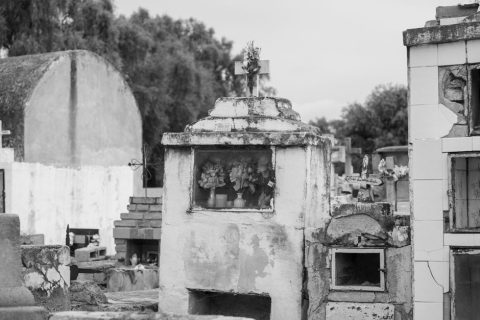
Cementerio de San José
Perched on a hillside above the Alhambra, this historic municipal cemetery is one of Granada's best-kept panoramic secrets. Cypress-lined terraces climb the slope past ornate 19th and 20th-century tombs, mausoleums, and family chapels, with almost every level opening onto sweeping views of the Alhambra and Sierra Nevada beyond. Unlike the crowded miradores in the Albayzín, this spot is almost always deserted, visited mainly by locals tending family graves rather than tourists with cameras. The atmosphere is contemplative rather than somber, and the walk up rewards visitors with shifting perspectives on the fortress rarely captured in typical photos. Go in late afternoon for the best light on the Alhambra's walls. It's an unusual but rewarding detour for anyone who wants a quiet, uncrowded alternative to the city's famous viewpoints.
Tips for Hidden Gems
- Most of these sites keep shorter or irregular hours than the major monuments, so check opening times the same day before setting out.
- Wear comfortable shoes; several of these spots involve steep, uneven Albayzín streets or hillside paths.
- Visiting in late afternoon gives the best light for the views from Cementerio de San José and Dar al-Horra's tower.
- Pair Huerta de San Vicente with a walk through the surrounding García Lorca Park to extend the visit without extra travel time.