Long before the Nasrids, Granada was Ilbira — a Roman and Visigothic city of considerable importance. The city's layered history spans millennia, from prehistoric cave dwellings to the final stronghold of Moorish Spain, leaving behind a rich archaeological legacy in and around the modern city.
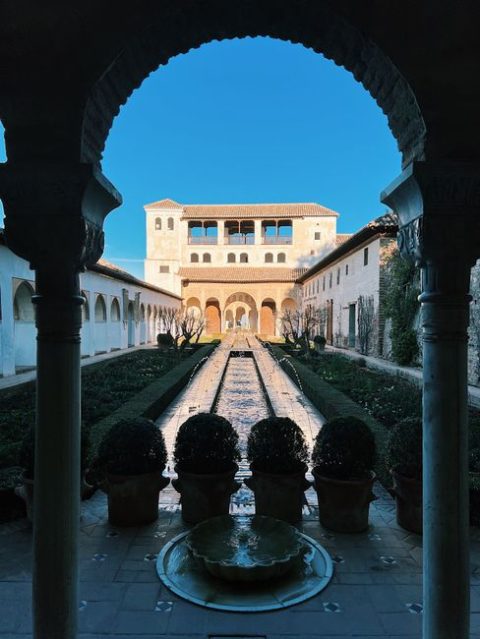
Generalife Gardens
The Generalife was the Nasrid sultans' summer palace and gardens — a paradise of fountains, cypress alleys, rose beds and water channels designed to evoke the Quranic concept of heaven. The iconic Acequia Court, with its long pool flanked by arching jets of water, is one of the most photographed spots in Spain. The upper gardens, terraced into the hillside, offer serene views of the Alhambra towers. Generalife can be visited during opening hours on the ticket date; only the Nasrid Palaces have a specified entry time. Allow at least an hour to fully explore the gardens at a leisurely pace.
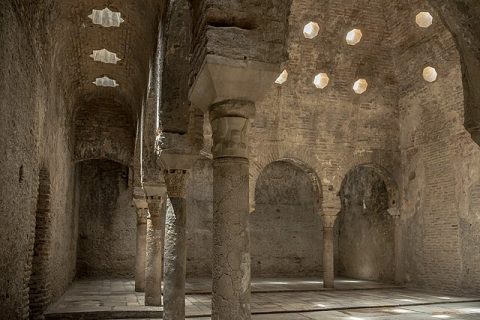
El Bañuelo (Arab Baths)
The El Bañuelo are the best-preserved Moorish bathhouse in Spain, dating to the 11th century. Hidden in the lower Albayzín near the Carrera del Darro, these remarkably intact hammam chambers retain their star-pierced vaulted ceilings, horseshoe arches and marble columns. The cold, warm and hot rooms illustrate the sophisticated bathing rituals of Al-Andalus. Managed by the Alhambra Patronato; the Andalusian Monuments ticket costs €8.48, with free admission on Sundays. Opening hours are limited, so check before visiting. A short explanatory audio guide is available at the entrance.
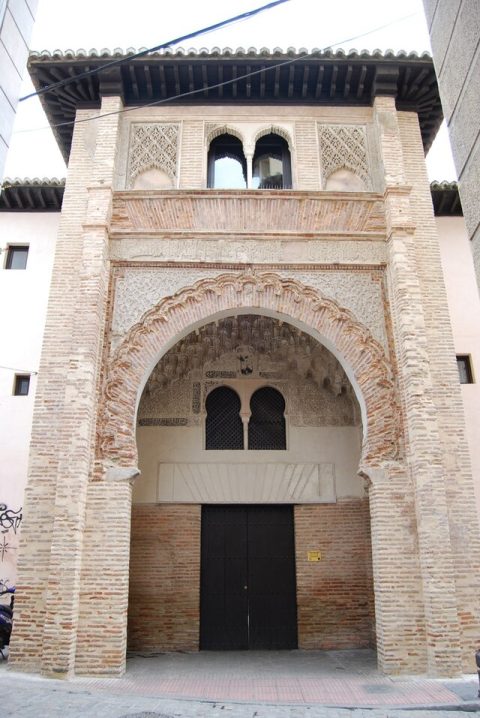
Corral del Carbón
The Corral del Carbón is the oldest surviving Moorish building in Granada's city centre and the only remaining funduq (caravanserai/inn) in all of Spain. Built in the 14th century as a merchant hostelry, its elegant horseshoe-arched entrance portal is a remarkable example of Nasrid civil architecture. The inner courtyard, once busy with traders and their goods, now hosts cultural events. Entry is free. The building is a five-minute walk from the Cathedral and easily combined with visits to the surrounding Alcaicería market district.
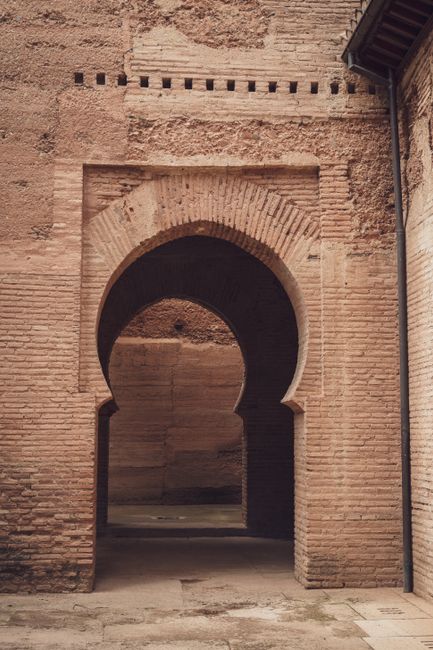
Madinat Ilbira (Medina Elvira)
Medina Elvira, located 12 km northwest of Granada near the village of Atarfe, was the main city of Moorish Granada before the Nasrid dynasty moved their capital. Archaeological excavations have revealed the outlines of a substantial 10th-century Islamic city with mosques, hammams and artisan quarters. The small on-site museum displays ceramics, coins and architectural fragments. While the ruins themselves require imagination to bring to life, the site offers a fascinating counterpoint to the Alhambra's grandeur, revealing the urban precursor that made Nasrid Granada possible.
Tips for Ancient & Historical Sites
- The Bañuelos has limited opening hours — verify on the Granada tourism website before visiting.
- Combine Corral del Carbón with the adjacent Alcaicería silk market for a step back into medieval Granada.
- Medina Elvira requires a car; combine with the nearby village of Atarfe for a half-day excursion.