Beyond the monuments, Granada comes alive through its experiences — passionate flamenco in cave venues, traditional hammam rituals, tapas bar-hopping, and guided walks that unlock layers of history invisible to the independent visitor.
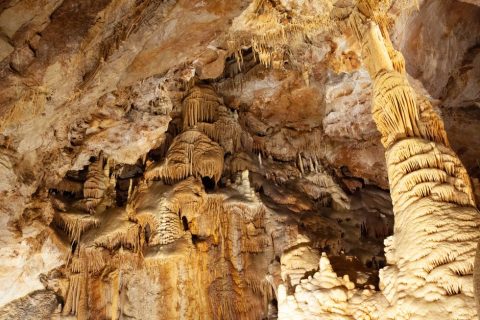
Zambra Flamenco (Sacromonte Caves)
Zambra is Granada's own flamenco tradition — more intimate, raw and improvisational than the staged shows of Seville. Performed in the cave houses of Sacromonte, it involves singing, guitar, dance and hand-clapping in a uniquely charged atmosphere. Leading venues include Cueva La Rocío, Venta El Gallo and Zambra María la Canastera. Shows typically run 9–10 pm; pre-booking is essential. Most venues include a drink and offer transport from the centre. This is one of Andalusia's most authentic cultural experiences — not to be missed.
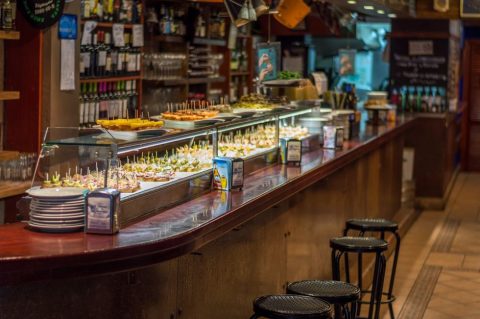
Tapas Bar Crawl
Granada is one of the last Spanish cities where every drink comes with a free tapa — order a beer or wine and a plate of food arrives automatically, no charge. This tradition fuels the city's legendary tapas culture. The best areas for bar-hopping are Calle Navas, Plaza de la Trinidad, Campo del Príncipe (Realejo) and the streets around the Mercado San Agustín. Several tour companies offer guided tapas crawls with inside knowledge of the best kitchens. Three bars equals a full dinner at essentially no extra cost. Granada's tapas culture is a reason in itself to visit.
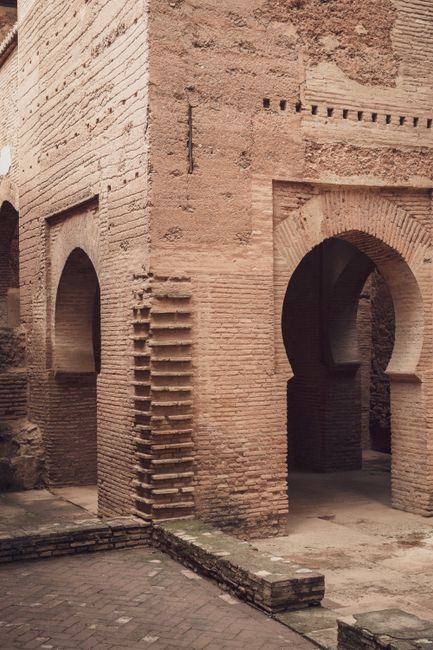
Hammam Al Ándalus Granada
Hammam Al Ándalus, steps from the Carrera del Darro, recreates the Moorish bathhouse tradition in an atmospheric setting of vaulted ceilings, starlit domes and warm marble pools. Sessions include access to cold, warm and hot pools, with optional aromatherapy massage packages available. The standard service lasts 90 minutes, including any booked massage. Dimly lit and hushed, it is the most popular relaxation experience in Granada. Book at least a week in advance — sessions sell out, especially on weekends. Swimwear is required.
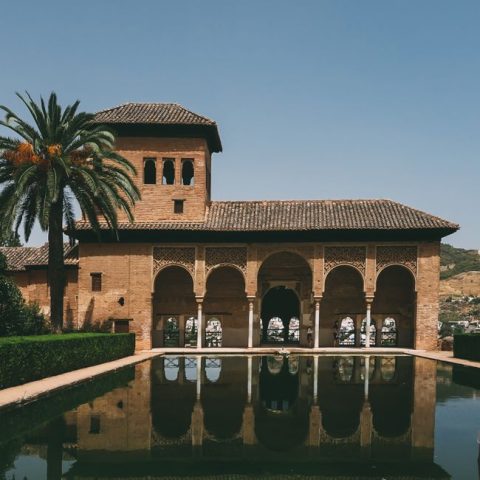
Alhambra Guided Tour
A guided tour of the Alhambra dramatically enriches the experience, unlocking the symbolism of Nasrid geometry, the political narratives encoded in inscriptions and the hydraulic engineering behind every fountain. Official guides offer 2-hour tours of the Nasrid Palaces and surrounding complex; many operators also combine the Alhambra with the Albayzín in a half-day format. Sandeman's, Granada Free Tour and specialist Moorish history guides all offer excellent options. Note: a guided tour requires its own Alhambra ticket — the guide does not provide entry.
Free Walking Tour of Granada
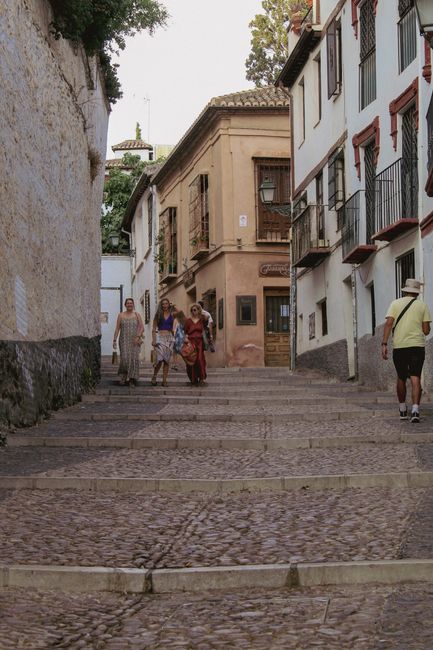
Granada's free walking tours are among Spain's best-rated, covering the Cathedral, Albayzín, Carrera del Darro and Sacromonte in 2–3 hours with knowledgeable local guides. Sandemans and Granada Free Tour both depart daily from Plaza Nueva. Tours run on a tip-basis (€10–15 suggested). The Albayzín-specific tour, which includes the Mirador de San Nicolás, is particularly popular. Book online to reserve your place — popular morning tours fill up. An excellent way to orientate yourself on Day 1 before diving into individual attractions.
Museo Cuevas del Sacromonte
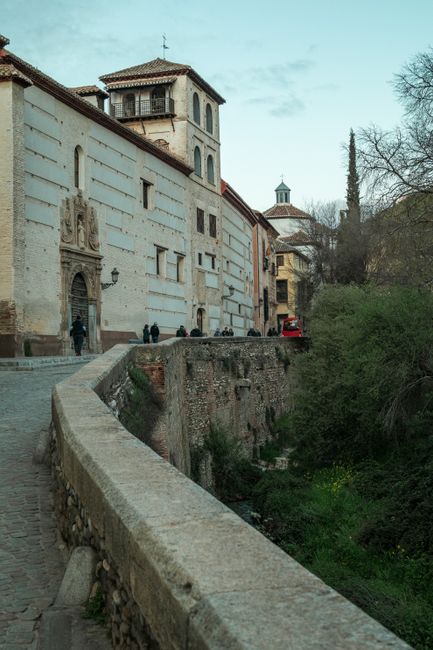
The Museo Cuevas del Sacromonte is an open-air ethnographic museum built into a series of authentic cave houses on the Sacromonte hillside. It documents the history of Granada's Romani (Gitano) community through reconstructed cave interiors showing traditional crafts, tools, domestic life and flamenco heritage. The hilltop setting offers sweeping views of the Alhambra and Generalife. Live demonstrations of basket-weaving, pottery and forge-work take place on certain days. It combines well with a walk through the Sacromonte neighbourhood and an evening zambra show nearby.
Tips for Tours & Activities
- Book Hammam Al Ándalus and Sacromonte flamenco shows at least a week in advance, especially in spring and autumn.
- Granada's free tapa system means three bar visits = dinner. Try Bar Los Diamantes (fried fish) and Bodegas Castañeda (ham and wine) as non-negotiable stops.
- The best free walking tour time is late morning — you'll finish in time for a tapas lunch.