Granada's neighbourhoods are worlds unto themselves. The Albayzín UNESCO quarter tumbles down a Moorish hillside; Sacromonte is a cave-dwelling flamenco community; the Realejo retains its Sephardic Jewish quarter character. Each rewards hours of unhurried exploration.
Albayzín (Albaicín)
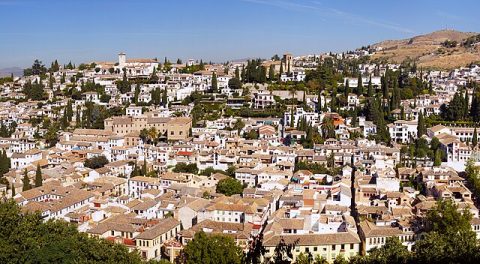
Granada's Albayzín is a UNESCO World Heritage Site — a labyrinthine Moorish quarter of whitewashed houses, walled garden estates (carmenes), hidden squares and ancient mosques. Wandering its steep cobbled lanes past jasmine-draped walls feels unchanged from the 15th century. The unmissable highlight is the Mirador de San Nicolás, offering the city's most famous sunset view across to the Alhambra and Sierra Nevada. The neighbourhood also contains the city's best selection of Moroccan craft shops, teterías and fusion restaurants. Get lost here — that's the whole point.
Sacromonte
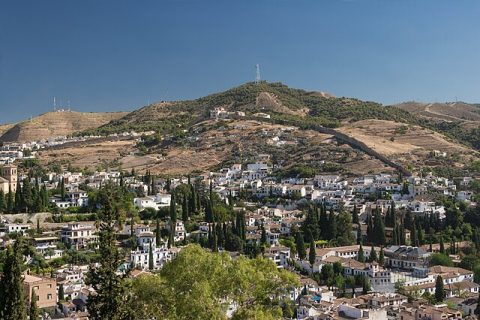
Sacromonte is Granada's most singular neighbourhood — a hillside community of whitewashed cave dwellings (cuevas) carved into the soft tufa rock above the Darro gorge. It is the spiritual home of Zambra flamenco, the passionate, intimate style born in these very caves. Several cave houses operate as flamenco venues (zambras) offering nightly shows. The Museo Cuevas del Sacromonte explores cave living and Romani culture. The neighbourhood's winding paths offer stunning views and a raw, authentic atmosphere unlike anything else in Granada.
Realejo (El Realejo)
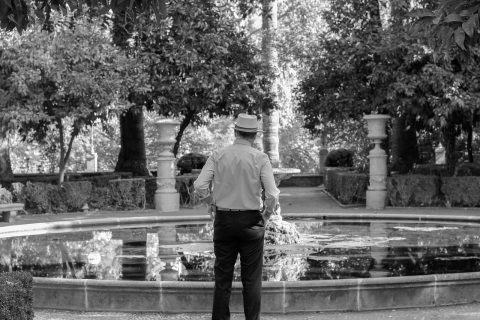
The Realejo district, south of the Cathedral, was Granada's Jewish quarter (judería) before 1492. Today it's a charming, bohemian neighbourhood of independent restaurants, craft bars and student hangouts centred on the Campo del Príncipe square. Street murals by local artists brighten its walls, and the area hosts a lively Sunday morning market. The neighbourhood's gentle hillsides offer alternative approaches to the Alhambra via the forest path. Less touristy than the Albayzín, it offers an authentic slice of student-city Granada.
Tips for Neighborhoods & Districts
- The Mirador de San Nicolás is best visited 30 minutes before sunset — arrive early to secure a front-row spot on the terrace wall.
- Pickpockets operate in the Albayzín's narrow lanes; keep bags zipped and phones pocketed.
- Sacromonte zambra flamenco shows run nightly — book directly with caves like Venta El Gallo or Cueva La Rocío for best prices.
- The Realejo is the best neighbourhood for an authentic tapas crawl away from tourist crowds.