Plan your trip to Ibiza
- How long
- 4-7 days: Dalt Vila and the beaches, a boat day to Formentera or Es Vedrà, and a quieter corner of the island.
- Best for
- Beach, nightlife and boat travellers: a UNESCO old town, turquoise coves and famous clubs.
- Skip it if
- You dislike crowds and high prices: July and August are packed and expensive, and the clubs are loud.
If you only do three things
- Dalt Vila (UNESCO) and its cathedral.
- A beach day (Cala Comte, Benirràs or Ses Salines).
- A boat trip to Formentera or around Es Vedrà.
A one-day route
- Morning: Dalt Vila and the cathedral (before the heat).
- Midday: Lunch in the old town or at a beach chiringuito.
- Afternoon: A beach swim.
- Evening: Sunset at Cala Comte or Benirràs; dinner in Santa Gertrudis or Ibiza Town.
Before you go
- Ibiza Airport is about 7 km from Ibiza Town; buses and taxis run to town.
- Book the Formentera ferry and boat trips ahead in summer.
- A rental car or scooter helps reach the coves; book early.
- Check the club and beach-club prices before you go.
Prices, opening status and transport in this plan checked against official sources on 30 September 2026.
Things to do in Ibiza
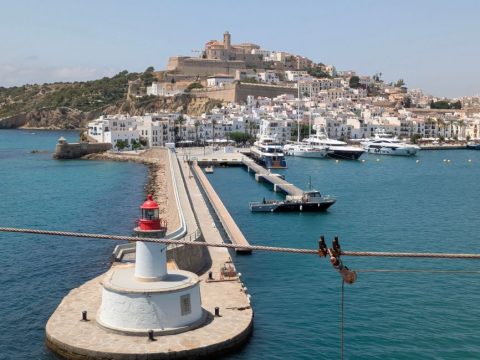
Ibiza Town's fortified skyline and the island's lighthouses and windmills tell the story of a strategic Mediterranean crossroads shaped by Phoenicians, Romans, Moors and Catalans.
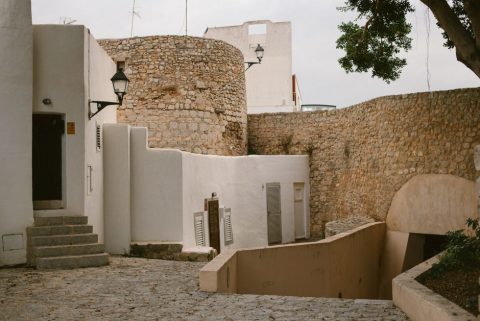
Dalt Vila Walls
The Renaissance-era bastioned walls encircling Ibiza's old town are one of the best-preserved fortification systems in the Mediterranean, built in the 16th century to repel Ottoman raids. Walking the ramparts at sunset gives sweeping views over the harbor, the sea and neighboring Formentera. A UNESCO World Heritage Site since 1999.
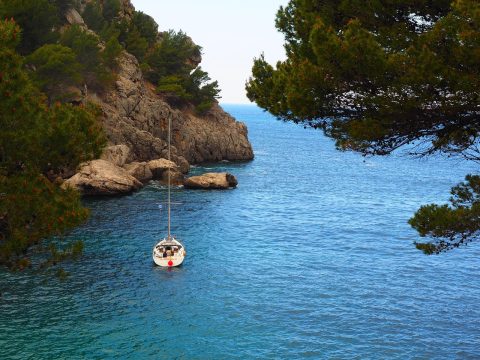
Punta de Sa Creu Lighthouse
A working lighthouse Punta de Sa Creu lighthouse is at Port de Sóller, Mallorca, framed by pine trees and rocky coastline. A quiet, uncrowded spot popular with locals for sunset walks, well away from the beach-club crowds.
Tips for Landmarks & Monuments
- Visit Dalt Vila in the early morning or at sunset to avoid the midday heat and cruise-ship crowds.
- Wear sturdy shoes — the cobbled streets inside the walls are steep.
Compact but rewarding collections covering Ibiza's Phoenician-Punic archaeology and its 20th-century identity as a haven for artists and hippies.
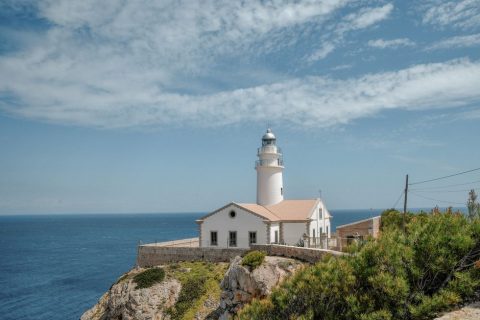
Museu Arqueològic d'Eivissa i Formentera (MAEF)
Housed partly inside Dalt Vila's old arsenal, this archaeological museum displays Phoenician and Punic artifacts excavated from the nearby necropolis of Puig des Molins, one of the largest Phoenician-Punic burial sites in the world. Highlights include terracotta figurines, jewelry and burial goods spanning over 2,500 years.
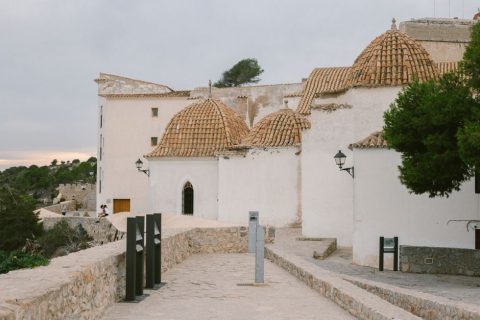
Museum of Contemporary Art of Ibiza (MACE)
MACE occupies the former military armoury built in 1727, in Dalt Vila’s Sant Joan bastion, this small museum showcases works by artists connected to Ibiza since the 1960s, when the island became a magnet for the international avant-garde. The building itself, with its whitewashed courtyards, is as interesting as the collection.
Tips for Museums & Galleries
- Combine both museums with a Dalt Vila walk since they sit inside or right next to the old town.
- Some museums have free-entry hours; check current hours locally.
Whitewashed churches in the traditional Ibicenco style, blending Moorish-influenced architecture with simple, fortress-like facades.
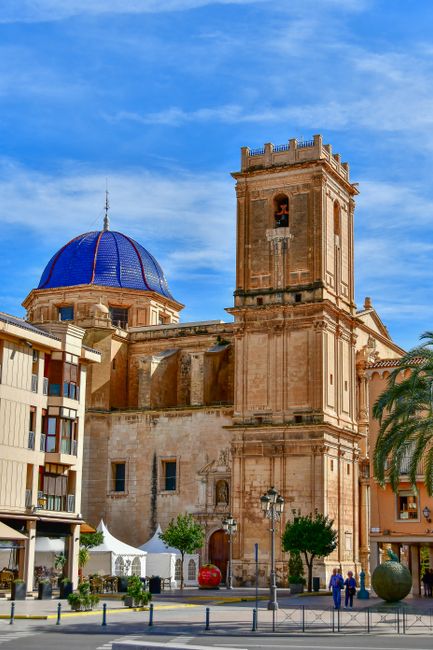
Cathedral of Santa Maria d'Eivissa
Crowning the highest point of Dalt Vila, this cathedral was built atop a former mosque after the Catalan conquest in 1235, with later Gothic and Baroque additions. Its bell tower is the island's most recognizable silhouette, visible from boats approaching the harbor.
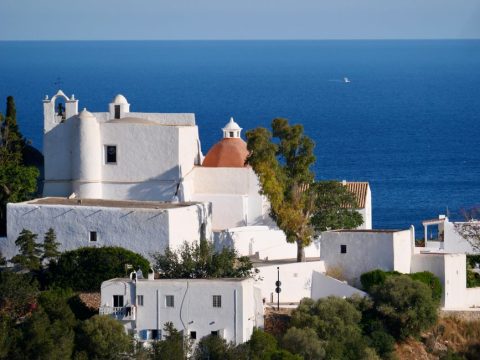
Puig de Missa (Santa Eulària)
A fortified hilltop church in Santa Eulària des Riu, built in the 16th-17th centuries with thick whitewashed walls designed to double as a refuge during pirate raids. The surrounding ethnographic museum and panoramic views make the short climb worthwhile.
Tips for Religious Sites
- Dress modestly — shoulders and knees covered — for entry to active churches.
- The cathedral's small treasury museum has a separate, modest entry fee.
Ibiza's Phoenician past, founded as Ibossim around 654 BC, is one of the oldest continuously inhabited Phoenician settlements in the western Mediterranean.

Puig des Molins Necropolis
An extensive Phoenician-Punic necropolis carved into a hillside just outside Dalt Vila, in use for over a millennium from the 7th century BC. Visitors can descend into excavated underground burial chambers, part of the same UNESCO listing as Dalt Vila.
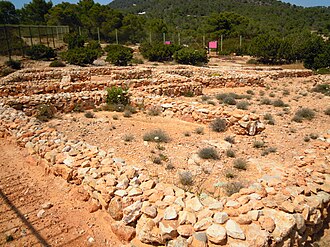
Sa Caleta Phoenician Settlement
The ruins of Ibiza's original 8th-century BC Phoenician settlement, perched on a coastal cliff a short drive from Ibiza Town. Low stone wall foundations remain, with an information panel and a nearby beach cove — a quiet, uncommercialized archaeological site.
Tips for Ancient & Historical Sites
- Sa Caleta pairs well with a swim at the adjacent cove — bring water shoes for the rocky entry.
- Little English signage at Sa Caleta; a guidebook or offline map helps put the ruins in context.
The maze of narrow lanes inside Dalt Vila and the harborfront promenade of Vara de Rey are where Ibiza Town's daily life plays out.
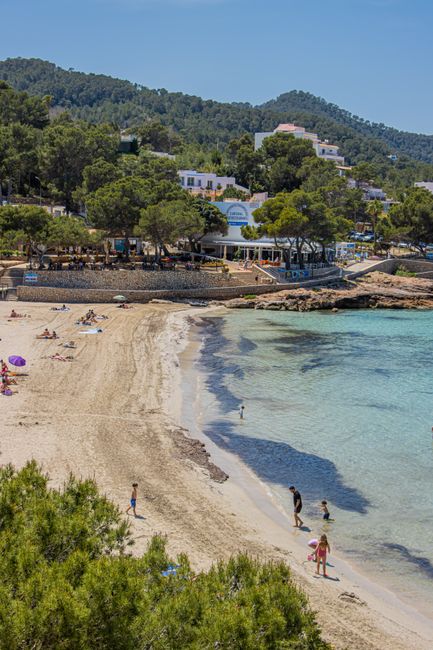
Passeig de Vara de Rey
A palm-lined 19th-century boulevard connecting the harbor to Dalt Vila, flanked by Art Nouveau buildings, cafés and a statue of the boulevard's namesake general. It's the natural starting point for exploring the old town on foot.
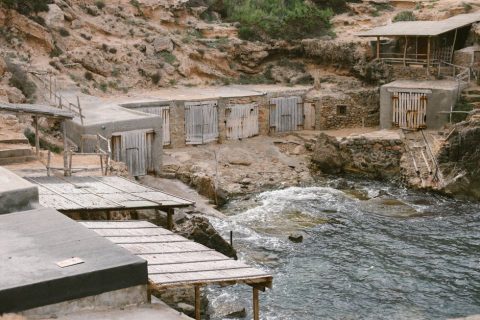
Sa Penya Old Fishing Quarter
A dense tangle of steep, colorful streets between the harbor and Dalt Vila, historically home to fishermen and now filled with boutiques, jewelry stalls and bohemian bars. It has a rawer, more lived-in feel than the polished old town above it.
Tips for Squares & Streets
- Sa Penya gets lively at night with street vendors — keep an eye on belongings in the crowds.
Beyond Ibiza Town, the island splits into distinct zones ranging from party-focused resort towns to quiet, traditional villages.
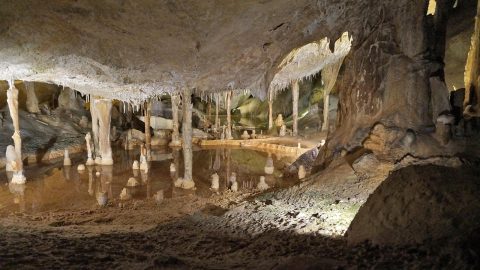
Dalt Vila (Old Town)
The fortified hilltop core of Ibiza Town, a UNESCO-listed labyrinth of whitewashed houses, boutique hotels and restaurants inside the 16th-century walls. Every street eventually leads up toward the cathedral at the summit.
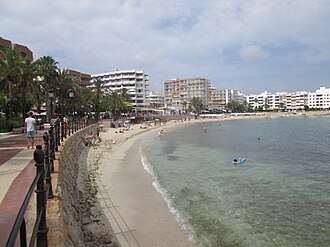
Santa Eulària des Riu
A relaxed family-friendly town on the east coast, built around Ibiza's only permanent river and a long marina promenade. It's a calmer base than Ibiza Town or San Antonio, Punta Arabí’s hippy market takes place on Wednesdays; Las Dalias is the Saturday market.
Tips for Neighborhoods & Districts
- San Antonio (Sant Antoni) is the sunset/club hub; Santa Eulària and Es Canar suit families and quieter stays.
Ibiza's greenery leans toward pine-forested hills and coastal nature reserves rather than formal gardens.
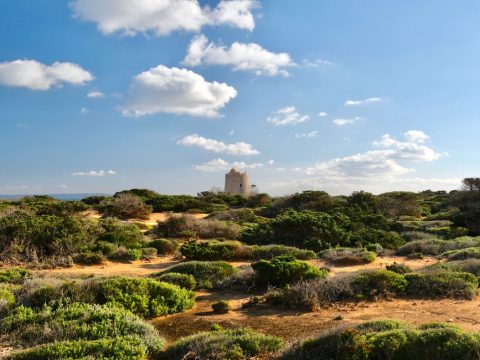
Ses Salines Natural Park
A protected wetland and salt-flat reserve spanning the strait between Ibiza and Formentera, still an active sea-salt operation dating back to Phoenician times. The park protects pink flamingo habitats and backs onto some of the island's best beaches, Ses Salines and Es Cavallet.
Tips for Parks & Gardens
- Visit the salt pans at sunset for flamingo sightings and dramatic light over the pink-tinted water.
Ibiza is compact and well served by buses, taxis, ferries and rental scooters/cars, though options thin out considerably outside the peak May-October season.
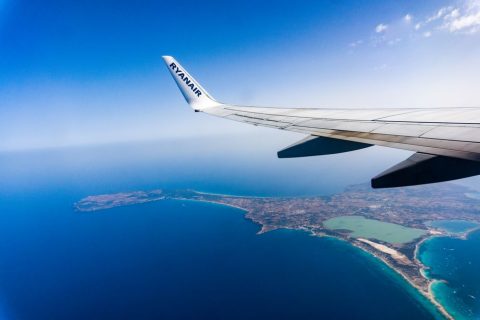
Ibiza Airport (IBZ) Transfers
Ibiza Airport sits about 7 km southwest of Ibiza Town. Airport buses AERO2/AERO3 serve Ibiza Town and AERO1 serves Sant Antoni; taxis take roughly 15-20 minutes to Ibiza Town. In peak summer months, book airport transfers in advance as taxi queues can be long.
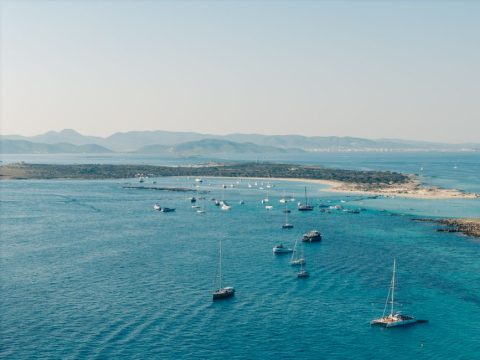
Ibiza-Formentera Ferry
Frequent fast ferries connect Ibiza Town's harbor to Formentera in about 25-40 minutes, making a Formentera day trip one of the easiest excursions from the island. Multiple operators run departures throughout the day in high season.
Tips for Transportation
- Rent a car or scooter for a few days if you plan to explore beaches beyond the main towns — bus coverage to remote coves is limited.
- Taxis in Ibiza are metered but demand surges heavily at night in summer; expect waits outside clubs.
From world-famous superclubs to boat trips around hidden coves, Ibiza's activities split sharply between daytime nature/culture and legendary nightlife.
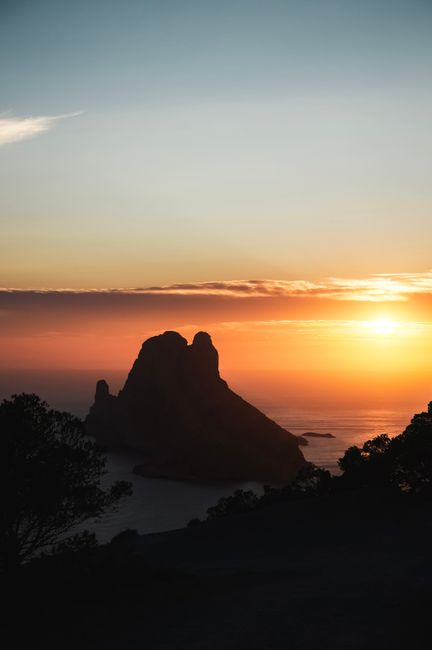
Es Vedrà Boat Tour
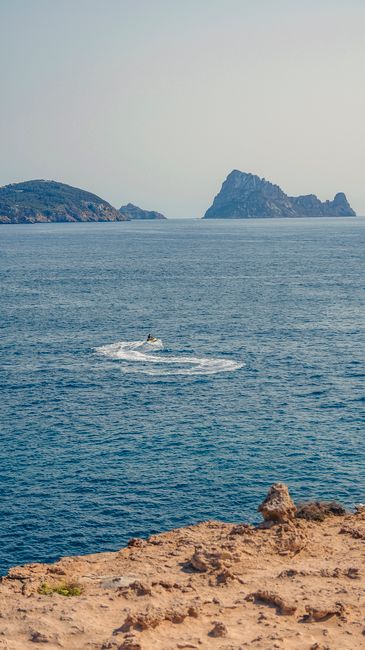
A boat excursion around Es Vedrà, the dramatic 382-meter limestone islet off Ibiza's southwest coast wrapped in myths ranging from Homer's Sirens to UFO sightings. Sunset sailings are especially popular for photographing the silhouette against the water.
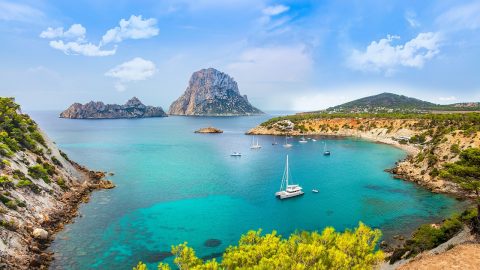
Ibiza Nightclub Experience
Ibiza's clubs — historically including Pacha, Amnesia and Ushuaïa — helped define global electronic dance music culture from the 1980s onward. Superclub lineups run world-renowned DJs through the summer season, typically starting late (after midnight) and running until dawn.
Tips for Tours & Activities
- Book major club nights online in advance — door prices are steep and top events sell out.
- Boat tours book up fast in July-August; reserve at least a few days ahead.
Formentera and the island's quieter northern villages make the best short excursions from Ibiza Town.
Formentera
A short ferry ride south, Formentera is a smaller, quieter island famous for the turquoise waters of Ses Illetes beach, often compared to the Caribbean. Renting a bike or scooter for the day is the easiest way to see multiple beaches.
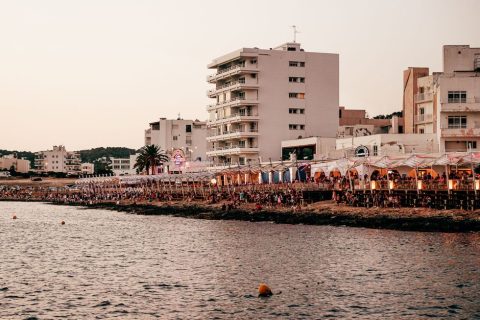
San Antonio & Sunset Strip
On the west coast, San Antonio (Sant Antoni de Portmany) is known for its harborfront Sunset Strip of bars where crowds gather nightly to watch the sun drop into the sea, often with a live DJ soundtrack. Café del Mar helped popularize the ritual in the 1980s.
Tips for Day Trips & Excursions
- Buy Formentera ferry tickets online in advance during July-August, when sailings sell out.
Ibiza's coastline delivers everything from boho-chic beach clubs to wild, pine-backed coves. The south and west host the island's most photographed turquoise water, while the north stays quieter and less developed.
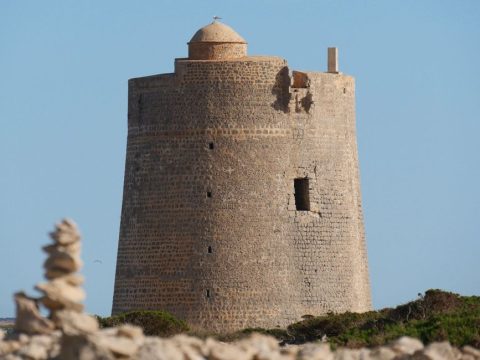
Ses Salines Beach
Ibiza's most iconic strip of sand, backing directly onto the Ses Salines Natural Park salt flats. Turquoise, shallow water and a line of boho-chic beach clubs (Jockey Club, Sa Trinxa) draw a fashionable, see-and-be-seen crowd, while the far ends stay quieter. Flamingos are a common sight in the adjoining salt pans in spring and autumn.
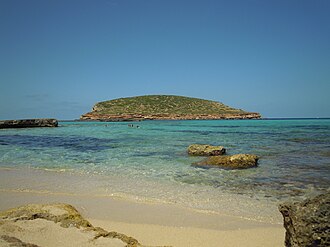
Cala Comte (Cala Conta)
A trio of coves on the west coast famous for the Mediterranean's most-photographed sunsets, with the small Illes Bledes islets silhouetted offshore. Crystal-clear, calm water makes it excellent for swimming and snorkeling. Arrive early in summer — the car park fills by mid-morning and beach bars get packed for sunset.
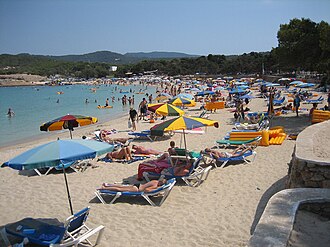
Cala Bassa
A wide, sheltered west-coast bay with unusually calm, shallow water thanks to a protective headland — a favorite for families and snorkelers exploring the seagrass meadows just offshore. A beach club and watersports rentals sit at the main strand, with quieter rocky platforms further along.
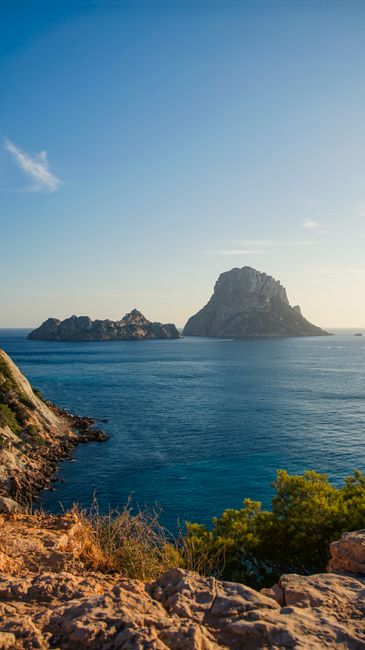
Es Cavallet
A long, white-sand beach inside Ses Salines Natural Park, historically the island's naturist and LGBTQ+-friendly beach, with a laid-back, alternative vibe distinct from the polished clubs at Ses Salines proper. Wilder dunes and fewer sunbeds toward the southern end.
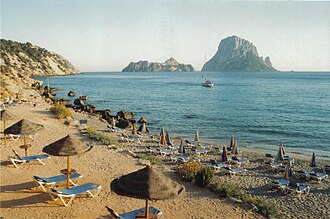
Cala d'Hort (Es Vedrà Viewpoint)
A small pebble-and-sand beach facing Es Vedrà, the jagged limestone islet wrapped in local myth and said to be one of the most magnetic spots on Earth. The beachfront chiringuitos are the classic place to watch it turn silhouette-black at sunset. Less about swimming, more about the view.
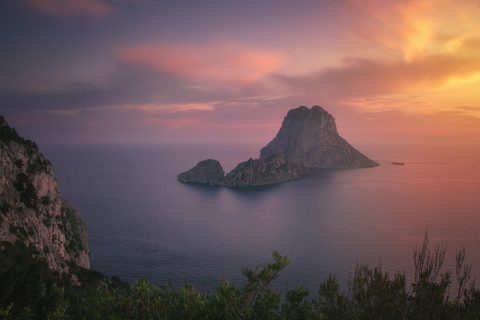
Cala Xarraca
A quiet, horseshoe-shaped cove on the undeveloped north coast, split into several small bays by rocky outcrops. Known for natural clay deposits near the shoreline that locals use as a free mud mask. Far fewer crowds and beach clubs than the south and west coast — bring your own shade and supplies.
Tips for Beaches & Coastal Areas
- Rental cars sell out fast in high season — Cala Comte also has seasonal bus service: P4 connects it with Sant Antoni from May through October.
- Beach club sunbeds at Ses Salines and Comte often require a minimum spend in peak summer.
- For sunset at Cala d'Hort, arrive at least an hour early to get a chiringuito table facing Es Vedrà.
Ibiza trades its famous summer clubs for a much quieter, cosier side once December arrives, when the island's towns string up lights, open small artisan markets, and slow down to a Mediterranean village pace.
Visitors expecting a large German-style Christmas market will not find one here, but Ibiza Town and Santa Eularia des Riu run charming local fairs, an open-air ice rink, and traditional Three Kings celebrations that make for a memorable off-season visit.
Fira de Nadal d'Eivissa (Ibiza Town Christmas Fair)
Ibiza Town's main holiday market sets up along the palm-lined Passeig de Vara de Rey and the nearby Plaça des Parc, running from late November through early January 2027. Wooden stalls sell local crafts, ceramics, olive-wood goods, honey, and Ibizan pastries like flaó and coca de Nadal, alongside mulled wine and roasted chestnuts. It is a modest, community-scale fair rather than a sprawling continental market, reflecting the island's low-key winter character. Strings of festive lights are draped across the harbor promenade and the old town walls of Dalt Vila, making an evening stroll worthwhile even without shopping in mind. Local school choirs and small brass bands sometimes perform on weekend evenings. It is a relaxed, family-friendly way to see Ibiza Town stripped of its summer crowds, with most cafes around the port staying open for warming drinks.
Pista de Gel (Open-Air Ice Rink), Ibiza Town
A temporary open-air ice rink is typically installed in central Ibiza Town for the holiday season, usually near Plaça des Parc or the harbor esplanade, operating from mid-December 2026 to early January 2027. It is a popular novelty for an island better known for beach weather, drawing local families and resident expats rather than tour groups. Skate rental is available on site, and sessions usually run in timed slots through the afternoon and evening. Surrounding food trucks and stalls sell hot chocolate, churros, and roasted nuts, giving the area a genuinely festive feel after dark when the rink is lit up. Exact placement and dates shift year to year depending on the town council's Christmas program, so checking the Ajuntament d'Eivissa's seasonal announcements closer to December is worthwhile before planning a visit.

Cavalcada de Reis (Three Kings Parade)
The undisputed highlight of Ibiza's winter calendar is the Cavalcada de Reis on the evening of January 5, 2027, when the Three Kings parade through Ibiza Town, Santa Eularia, Sant Antoni, and other towns on floats, tossing sweets to children lining the streets. It is a deeply traditional Spanish celebration marking the eve of Epiphany, and Ibiza's version keeps a distinctly local, unpolished charm compared to mainland cities. Crowds gather early along the main parade route near the port and Vara de Rey, so arriving thirty to forty minutes ahead secures a good spot. Many families combine the evening with a final round of Christmas market stalls, still open for the occasion. Dress warmly, as Ibiza's winter evenings can be cool and breezy despite mild daytime temperatures.

Santa Eularia des Riu Christmas Market
The seaside town of Santa Eularia des Riu, a short drive or bus ride from Ibiza Town, runs its own smaller holiday market along its palm-fringed promenade and central square through December. Stalls focus on local artisans, homemade preserves, and handmade gifts, with a noticeably slower and more residential atmosphere than Ibiza Town's fair. A nativity scene (betlem) is usually displayed near the church on the hill overlooking the marina, and the town's Christmas lights along the river walk are among the prettiest on the island. This is a good option for travelers staying on the island's east coast who want a low-key, uncrowded holiday outing without heading into the capital. Combine it with lunch at one of the marina's seafood restaurants, most of which stay open year-round for the local community.
Tips for Christmas Market
- Ibiza's Christmas season is small-scale and local rather than a major tourist draw, so expect a peaceful island atmosphere, not a bustling European market.
- Many restaurants, clubs, and boutique hotels close for winter maintenance between November and April, so confirm opening hours in advance.
- Bring a light jacket: December evenings on the island are cool and often windy near the waterfront.
- The Three Kings parade (Cavalcada de Reis) on January 5 is worth timing a visit around if you want the most authentic local celebration.
Ibiza built its global reputation after dark, and the island's clubs remain temples of electronic music culture, drawing headline DJs and dancers from every continent each summer. From cavernous superclubs to open-air terraces and glamorous rooftop lounges, the scene runs from sunset drinks well into the following morning.
Pacha Ibiza
Opened in 1973, Pacha is the elder statesman of Ibiza clubbing and still one of its most glamorous rooms, recognisable by the twin cherries logo found on merchandise worldwide. The heart-shaped dancefloor and tiered VIP boxes sit beneath a canopy of lights, hosting long-running residencies from house and techno royalty. Expect a polished crowd, strict door policy, and a sound system tuned for deep, driving rhythms rather than pure spectacle. Doors typically open close to midnight and the energy peaks well after 2am, so a late dinner beforehand is standard practice. Table service and pre-sale tickets are strongly advised in peak season, as walk-up entry can mean long queues or a sold-out night. It sits an easy walk from Ibiza Town, making it simple to combine with a stroll through the marina before heading in.
Amnesia
Amnesia is a converted farmhouse turned into one of the most influential clubs in dance music history, credited with helping shape the Balearic sound in the late 1980s. Its two rooms, The Main Room is the smaller dancefloor; the Terrace is the larger room, each run different lineups on the same night, so the crowd migrates between thumping techno inside and melodic house The Terrace is covered by a glass roof, installed following indoor-party regulations in 1991. Foam cannons, confetti bursts, and an enormous sound rig make the Main Room a full sensory event rather than a quiet listening session. The club draws a young, energetic international crowd and queues can stretch well before opening, particularly for flagship residency nights. Water stations are available throughout, a welcome detail given how physically demanding a full night here can be. It's located outside Ibiza Town along the road toward San Antonio, so most visitors arrive by taxi or bus rather than on foot.

Hi Ibiza
Built on the site of the former Space nightclub, Hi Ibiza has quickly become one of the island's most technologically ambitious venues, wrapping dancers in immersive lighting rigs, video mapping, and a booming sound system across two connected rooms, Theatre and Club. The production values rival a stadium concert more than a traditional nightclub, with residencies from top-tier house and techno acts running through the summer months. A garden terrace offers a calmer spot to catch a breath between sets without leaving the venue. Because Hï Ibiza is in Playa d’en Bossa, on Ctra. Platja d’en Bossa, many arriving visitors catch a glimpse of the building before they even reach their hotel. Ticket prices rank among the highest on the island, reflecting both the production and the caliber of resident DJs. Ride-share or taxi is the easiest way to reach it, since it's set apart from the main nightlife strips.

DC10
Tucked beside the Ses Salines road with little in the way of signage, DC10 built its cult status on Monday's long-running Circoloco party, a favourite of purist clubbers and touring DJs alike who prize its raw, unglamorous warehouse feel over polished production. The outdoor terrace, shaded by a corrugated roof and surrounded by farmland, has an almost after-hours, underground atmosphere even when the party starts in daylight. Sound quality and DJ selection take priority here over bottle service and VIP tables, and the crowd skews toward serious dance music devotees. Sessions often run from afternoon into the evening, making it a distinct alternative to the late-night superclub circuit. Cash is still useful for smaller bars inside the venue, and comfortable shoes matter given the standing-room, festival-like layout. Arrive early on peak dates, as capacity is limited and queues form well before doors open.
Lio Ibiza
For a lower-key but still spectacular night out, Lio Ibiza pairs a Mediterranean dinner with a live cabaret show, its performers weaving between the tables as diners work through a multi-course menu, before the room transforms into a late-night lounge and dancefloor. The setting overlooks the marina in Ibiza Town, giving it a refined, dressed-up atmosphere that contrasts with the island's warehouse clubs. Live musicians, aerialists, and singers rotate through a choreographed set that keeps the energy high without needing a DJ booth as the sole focus. It suits couples or groups wanting spectacle and conversation rather than pure dancefloor immersion. Reservations for dinner seating are essential well in advance, especially for weekend shows in high season. Smart-casual dress is expected, and the venue leans upscale in both price and presentation compared to the island's bigger clubs.
Tips for Nightlife & Entertainment
- Buy tickets online in advance for major clubs; walk-up prices are higher and queues can be long
- Most venues don't get busy until after 1am, so plan a late dinner first
- Dress codes vary widely, from casual at DC10 to smart-casual or upscale at rooftop lounges
- Book a taxi or ride-share in advance, as demand spikes heavily around closing time
- Pace yourself with water, as sets often run well past sunrise in peak season
Ibiza is not just about beach clubs and late nights — the island has a gentler side that families can enjoy just as much, from hands-on nature parks to calm coves and a hilltop hippy market bursting with color. These spots make it easy to fill a day with kids without a single late bedtime involved.
Aguamar Water Park
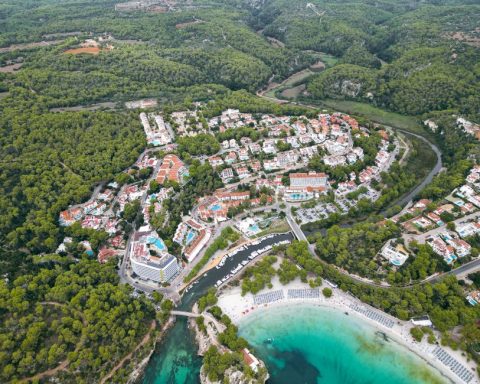
Aguamar Water Park in Playa d'en Bossa is Ibiza's main water park and a reliable full-day outing for families with children of any age. Gentle pools and slow-moving slides suit toddlers, while faster body slides and a wave pool keep older kids entertained for hours. Sun loungers and shaded areas ring the pools, so parents can relax while keeping an eye on the action. There are lockers, a snack bar, and a shop selling swimwear and sun cream for anything forgotten at the hotel. Arrive early in July and August, as the park fills up fast and queues for the popular slides can grow long by midday. It is an easy taxi or bus ride from most Playa d'en Bossa and Ibiza Town hotels, making it a low-effort, high-reward choice for a hot afternoon.
Hippy Market at Es Canar
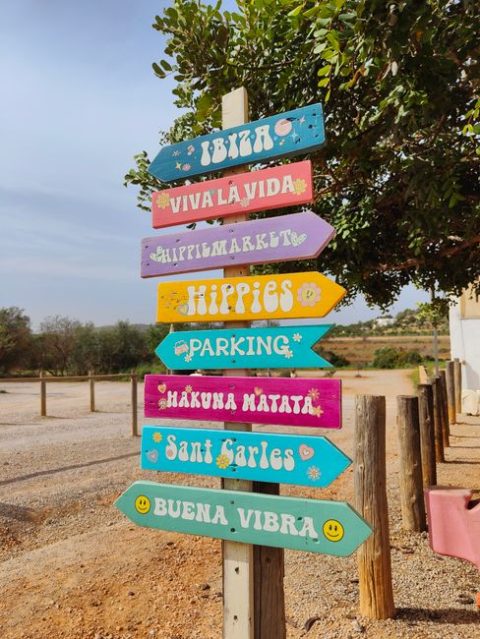
Every Wednesday, the seaside town of Es Canar hosts Ibiza's most famous hippy market, a colorful maze of stalls selling jewelry, toys, leather goods, and hand-painted crafts that kids genuinely enjoy wandering through. Live music, henna tattoo artists, and food stalls with churros and fresh juice keep the atmosphere festive rather than overwhelming. The market sits right by the beach, so children can be rewarded with a swim once the shopping wears thin. It gets busy by late morning, so an earlier visit means more breathing room to browse stalls at a relaxed pace. Many families combine it with a beach afternoon in Es Canar itself, turning market and swim into a single easy day trip from Ibiza Town or Santa Eulària.
Cala Llonga Family Beach
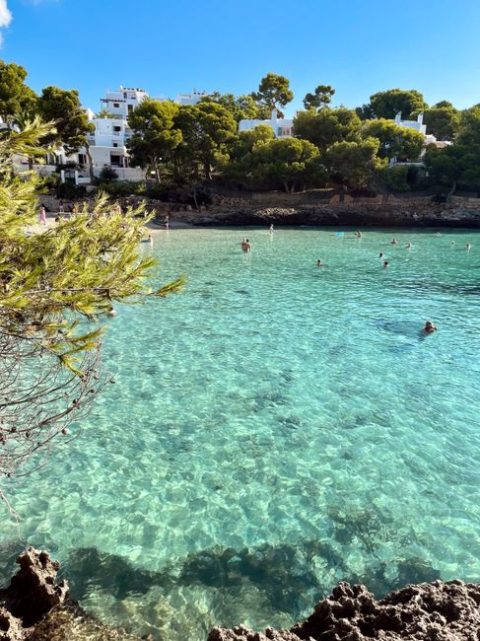
Cala Llonga is one of Ibiza's calmest, most family-friendly beaches, set in a sheltered bay with shallow, gently sloping water that is ideal for younger swimmers. The wide stretch of sand gives toddlers plenty of room to build sandcastles, and a row of beachfront restaurants and ice cream kiosks means parents never have to walk far for supplies. Pedal boats, paddleboard rentals, and a small play area nearby add extra options for active kids without needing to leave the beach. Sunbeds and umbrellas are easy to rent, and lifeguards patrol during the summer season. Because the bay is enclosed by hills, the water stays notably calmer here than at more exposed Ibiza beaches, which is exactly what makes it a favorite among local families with young children.
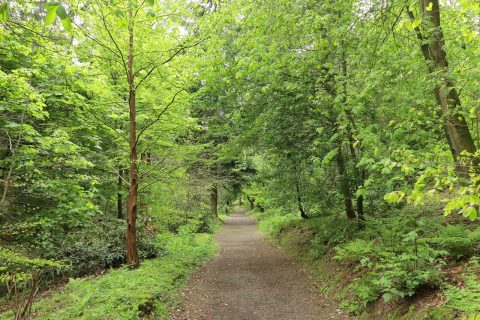
Ses Feixes Wetlands Nature Walk
Just behind Ibiza Town, the Ses Feixes wetlands offer a surprisingly peaceful escape where kids can spot herons, ducks, and dragonflies along flat, easy walking paths. Originally a network of Moorish-era irrigated market gardens, the area has been partly restored as a green corridor between the port and the modern town, with information panels that explain the old farming channels in simple terms. It is free to visit, shaded in parts, and short enough that even young children will not tire out halfway through. Bring a small pair of binoculars if you have them, since the birdlife is the main draw. Afterward, it is an easy stroll back into town for an ice cream, making this a low-key morning activity that costs nothing and burns off plenty of energy before lunch.
Tips for With Kids
- Book Aguamar tickets online in peak summer to skip the ticket-window queue.
- Pack reef shoes for the pebblier coves — Cala Llonga's sand is soft but nearby rocky patches can surprise bare feet.
- The Es Canar market runs only on Wednesdays, so plan the rest of the week around it if it is a priority.
- Midday sun is intense from June to August — schedule outdoor walks like Ses Feixes for morning or late afternoon.
Ibiza's calendar runs on more than club nights: the island threads together folk processions, harvest fairs, open-air concerts, and a raucous New Year send-off across the year. Use this calendar to time a visit around a specific happening rather than guessing at peak season.
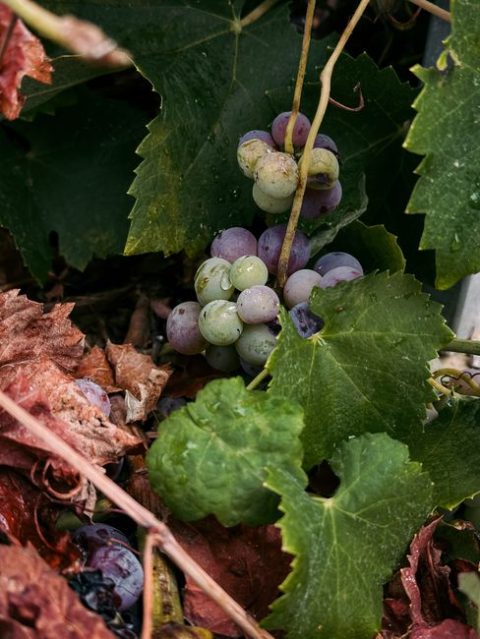
Sant Miquel Grape Harvest and Wine Fair
As autumn arrives, the hillside village of Sant Miquel de Balansat celebrates its small but proud viticultural tradition with a harvest fair centered on the village square. In 2026, the fair takes place across the weekend of September 25 to September 27, coinciding with the last of the grape picking on nearby terraced vineyards. Visitors can sample local vi pagès table wine, watch traditional grape-treading demonstrations, and browse stalls of honey, almonds, and cheese from island producers. A folk dance display usually follows the Saturday evening tasting session, held in the churchyard adjoining the fortified 14th-century church. The pace is unhurried and distinctly rural, a contrast to the coastal resorts, and it draws a mostly local and expat crowd rather than mass tourism. Bring cash, as most stallholders do not accept cards.
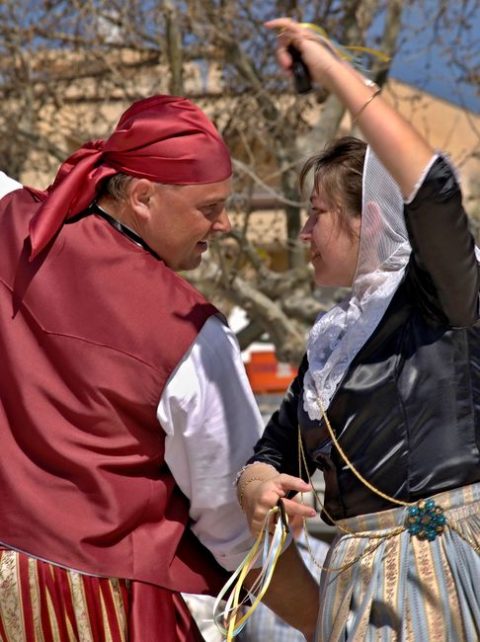
Sant Antoni Spring Folk Festival
Every spring, the seafront promenade of Sant Antoni fills with colla dance troupes performing traditional ball pagès in embroidered costumes, accompanied by castanets, flutes, and hand drums. Expect processions, craft stalls selling local ceramics and herbal hierbas ibicencas liqueur, and open-air paella cooking demonstrations along the marina. In 2026 the festival runs from April 24 to April 26, timed to the mild pre-season weather before the summer crowds arrive. Local families turn out in force, making it a rare chance to see Ibizan folk culture rather than the club scene. Evening concerts on a temporary stage close each day, mixing folk revival bands with regional pop acts. Arrive early on the Saturday for the main procession, which draws the largest crowds of the weekend.

Ibiza Light Festival
Held after the summer season winds down, this contemporary light and sound installation trail transforms Dalt Vila's fortified old town into an after-dark art walk. Projection mapping plays across the Renaissance walls and cathedral facade, while smaller illuminated sculptures line the stepped alleys leading up to the citadel. The 2026 edition runs from November 6 to November 22, deliberately scheduled in the shoulder season when the walls are otherwise quiet and hotel rates drop. The walking route takes roughly an hour at an unhurried pace, with several viewpoints looking back over the harbor and marina lights below. It draws a mixed crowd of residents, photographers, and the last wave of autumn visitors rather than the summer club audience. Wear comfortable shoes, as the cobbled inclines inside Dalt Vila are steep and uneven in places.
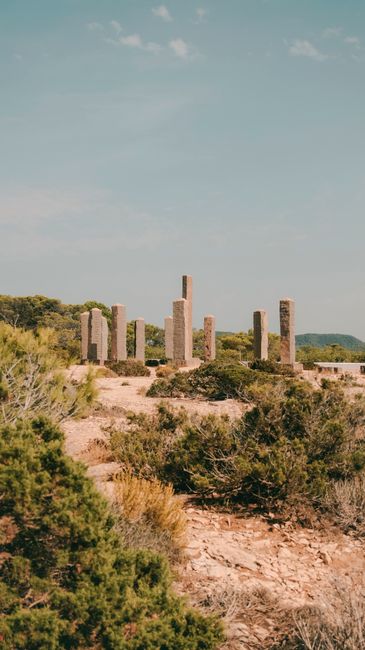
Ibiza Rocks Summer Concert Series
This long-running open-air concert series brings touring bands and DJs to a poolside stage in San Antonio, blending live indie and electronic acts with the island's nightlife energy. The 2026 season runs weekly from The 2026 Pool Club programme began on 25 April and ended with its closing party on 30 September., with headline nights typically falling on Fridays. Expect a younger, festival-going crowd, poolside seating that fills up fast, and a lineup that skews toward emerging UK and European acts alongside the occasional legacy headliner. Doors usually open in the late afternoon, with support acts before the main set after sunset. It is not a seated theater experience; expect standing room, crowd energy, and These are daytime pool parties; the operator lists most events as closing at 21:00, with event-specific variations. Tickets for headline dates sell out weeks in advance, especially for July and August shows, so this is one of the few island events where advance booking genuinely matters.
Ibiza Town New Years Eve Harbor Celebration
The old town's harbor front becomes the island's focal point on December 31, 2026, as crowds gather along the marina and beneath the Dalt Vila walls for a midnight fireworks display over the water. Bars and restaurants along Passeig de Vara de Rey and the marina promenade fill from early evening, with many venues offering set dinner menus timed to end just before the countdown. After the fireworks, the celebration typically shifts into the town's bars and a handful of clubs that stay open through the winter off-season, giving the night a distinctly local, low-key character compared to summer's mega-clubs. Locals traditionally eat twelve grapes at midnight, one on each chime of the clock, a Spanish New Year custom widely observed here too. Dress warmly, as harbor winds make late December evenings noticeably cooler than the daytime temperature suggests.
Tips for Events Calendar
- Book accommodation and headline concert tickets for June through September well in advance, as the summer event season overlaps with peak tourist demand.
- Shoulder-season events in spring and autumn offer a quieter, more local experience and noticeably lower hotel prices.
- Rural village fairs like the Sant Miquel harvest event are typically cash-only and unticketed, so no advance booking is needed.
- Check event dates against the official venue or town hall listings before traveling, since exact days can shift slightly year to year.
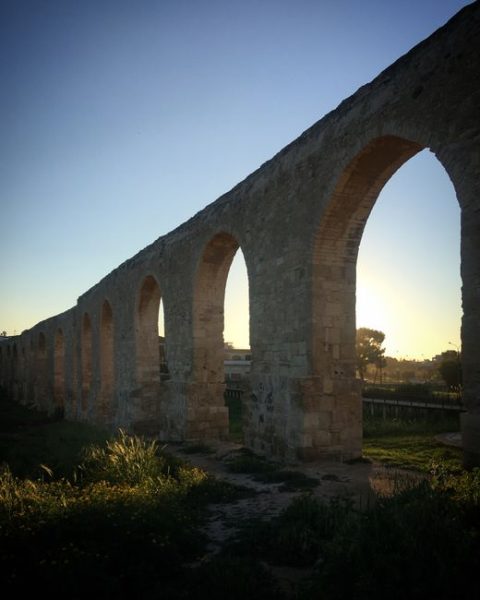
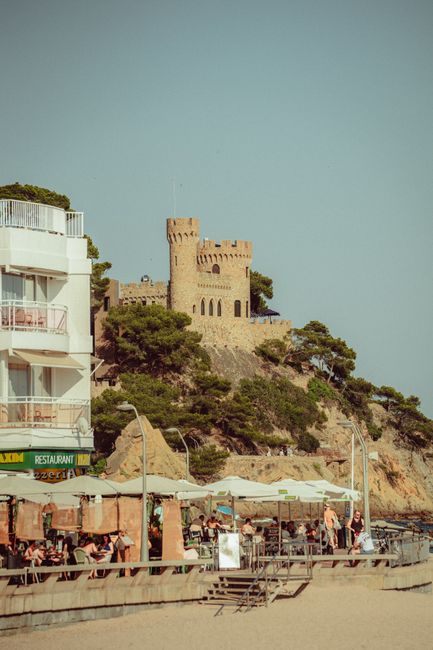
Real, highly-rated Restaurants in Ibiza, sourced from Google Places (rating above 4★).
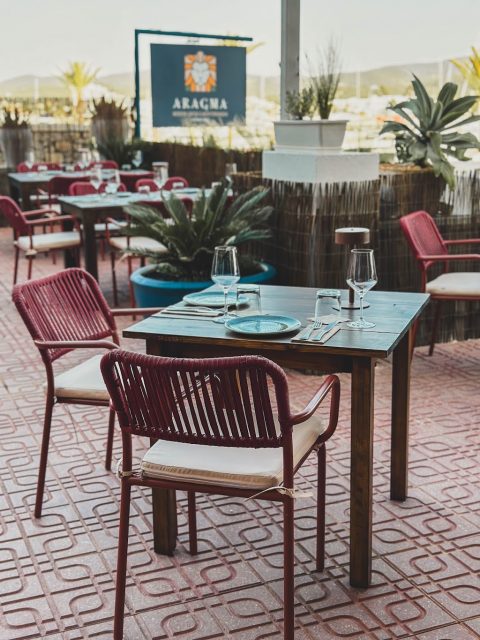
Aragma Ibiza
Aragma Ibiza is a highly-rated restaurant in Ibiza, rated 5★ from 354 reviews. Located at Calle Madrid 4, Ed El Faro 1G, 07820 Sant Antoni de Portmany, Illes Balears, Spain.
Opening Hours
- Monday: 5:00 – 11:00 PM
- Tuesday: 5:00 – 11:00 PM
- Wednesday: 5:00 – 11:00 PM
- Thursday: 5:00 – 11:00 PM
- Friday: 5:00 – 11:00 PM
- Saturday: 5:00 – 11:00 PM
- Sunday: 5:00 – 11:00 PM
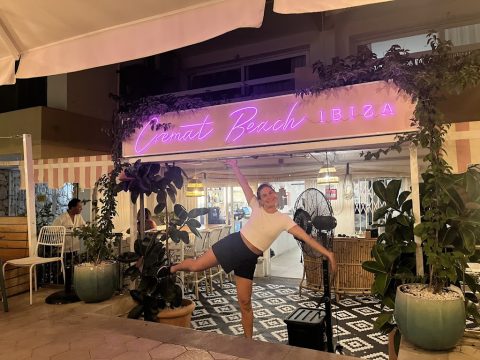
Cremat Beach Ibiza
Cremat Beach Ibiza is a highly-rated restaurant in Ibiza, rated 4.9★ from 2730 reviews. Located at Passeig ses Pitiüses, 07800 Eivissa, Illes Balears, Spain.
Opening Hours
- Monday: 9:30 AM – 11:00 PM
- Tuesday: 9:30 AM – 11:00 PM
- Wednesday: 9:30 AM – 11:00 PM
- Thursday: 9:30 AM – 11:00 PM
- Friday: 9:30 AM – 11:00 PM
- Saturday: 9:30 AM – 11:00 PM
- Sunday: 9:30 AM – 11:00 PM
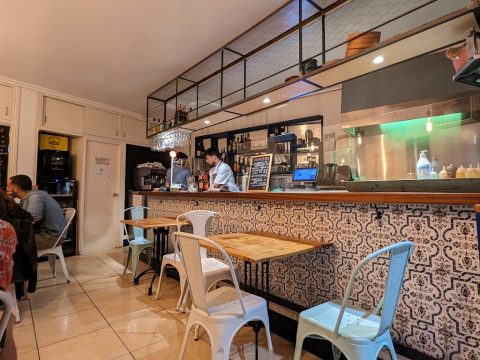
La Barrita Ibiza
La Barrita Ibiza is a highly-rated restaurant in Ibiza, rated 4.9★ from 611 reviews. Located at Carrer de Canàries, 2, 07800 Eivissa, Illes Balears, Spain.
Opening Hours
- Monday: Closed
- Tuesday: 8:30 – 10:30 PM
- Wednesday: 1:30 – 3:30 PM, 8:30 – 10:30 PM
- Thursday: 1:30 – 3:30 PM, 8:30 – 10:30 PM
- Friday: 1:30 – 3:30 PM, 8:30 – 10:30 PM
- Saturday: 1:30 – 3:30 PM, 8:30 – 10:30 PM
- Sunday: Closed
Real, highly-rated Beach Bars in Ibiza, sourced from Google Places (rating above 4★).
Cremat Beach Ibiza
Cremat Beach Ibiza is a highly-rated beach bar in Ibiza, rated 4.9★ from 2730 reviews. Located at Passeig ses Pitiüses, 07800 Eivissa, Illes Balears, Spain.
Opening Hours
- Monday: 9:30 AM – 11:00 PM
- Tuesday: 9:30 AM – 11:00 PM
- Wednesday: 9:30 AM – 11:00 PM
- Thursday: 9:30 AM – 11:00 PM
- Friday: 9:30 AM – 11:00 PM
- Saturday: 9:30 AM – 11:00 PM
- Sunday: 9:30 AM – 11:00 PM
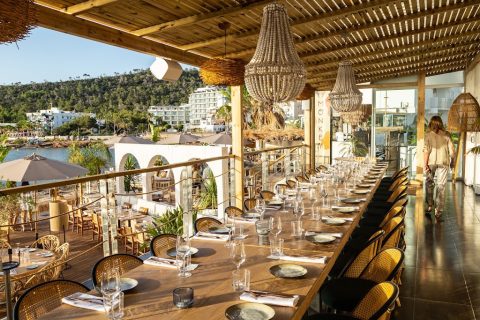
Monkey
Monkey is a highly-rated beach bar in Ibiza, rated 4.7★ from 1904 reviews. Located at C. de Juan Bosca, 2, bajo, 07820 Sant Antoni de Portmany, Illes Balears, Spain.
Opening Hours
- Monday: 1:00 PM – 2:00 AM
- Tuesday: 1:00 PM – 2:00 AM
- Wednesday: 1:00 PM – 2:00 AM
- Thursday: 1:00 PM – 2:00 AM
- Friday: 1:00 PM – 2:00 AM
- Saturday: 1:00 PM – 2:00 AM
- Sunday: 1:00 PM – 2:00 AM
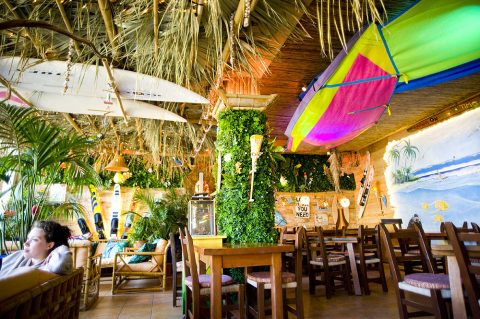
On The Beach Ibiza - Restaurante con estilo playero en Cala San Vicente
On The Beach Ibiza - Restaurante con estilo playero en Cala San Vicente is a highly-rated beach bar in Ibiza, rated 4.7★ from 2009 reviews. Located at Carrer Cala Sant Vicent A, 1, 07810 Cala de Sant Vicent, Illes Balears, Spain.
Opening Hours
- Monday: 10:00 AM – 10:00 PM
- Tuesday: 10:00 AM – 10:00 PM
- Wednesday: 10:00 AM – 10:00 PM
- Thursday: 10:00 AM – 10:00 PM
- Friday: 10:00 AM – 10:00 PM
- Saturday: 10:00 AM – 10:00 PM
- Sunday: 10:00 AM – 10:00 PM
Explore Ibiza on the Map
Late May, June and September offer warm weather, warmer sea temperatures than early spring, and lighter crowds than peak July-August, when prices spike and the island feels overrun. Nightlife venues typically operate The main club season starts in late April and generally continues into mid-October; check individual venues.
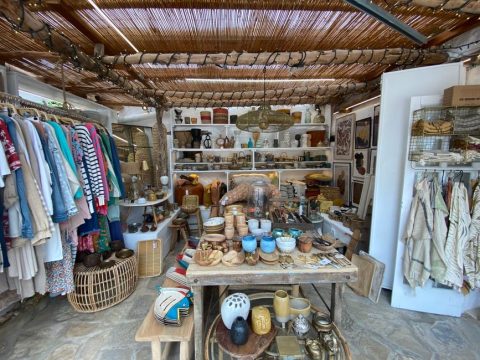
Ibiza is known for Adlib fashion — flowing white bohemian clothing that originated on the island in the 1970s — sold in Ibiza Town boutiques. The Las Dalias hippy market (Tuesdays and Saturdays, near San Carlos) and Punta Arabí market in Es Canar (Wednesdays) sell handmade jewelry, leather goods and crafts. Bargaining is common at outdoor markets but not in shops.
Sant Joan Eve (June 23-24) fills beaches with bonfires marking the summer solstice. Ibiza Global Fest and the season's official club openings Ibiza Global Festival took place on 3–5 July 2026 at S’Arenal beach, Sant Antoni. The Festa d'Es Canar hippy market anniversary and various patron saint festivals (Santa Eulària in February, Ibiza Town's Sant Ciriac in August, commemorating the 1235 Catalan reconquest) punctuate the calendar.
Day 1 — Dalt Vila & Old Town
Walk the Renaissance walls, visit the cathedral and MAEF archaeological museum, wander Sa Penya, dinner on Passeig de Vara de Rey.
Day 2 — Ses Salines & Beaches
Morning at Ses Salines Natural Park, afternoon on Es Cavallet or Ses Salines beach, sunset drinks in Ibiza Town.
Day 3 — Formentera Day Trip
Early ferry to Formentera, rent a bike, spend the day at Ses Illetes beach, return ferry in the evening.
Day 4 — West Coast & Es Vedrà
Drive the west coast, boat tour or viewpoint stop at Es Vedrà, sunset at San Antonio's Sunset Strip.
Day 5 — North Ibiza & Nightlife
Explore quieter northern villages and Las Dalias market, rest in the afternoon, then experience an Ibiza club night.
Es Vedrà at sunset from the Torre des Savinar viewpoint is the island's most photographed scene. The Dalt Vila ramparts at golden hour capture the harbor and Formentera in the background. Ses Salines beach offers turquoise-water shots, while San Antonio's Sunset Strip delivers the classic dusk silhouette photo.
Spain uses 230V with Type C and Type F two-round-pin plugs, standard across continental Europe. Visitors from the UK, US or Australia will need an adapter.
Try bullit de peix (fish stew served with garlic aioli rice), sofrit pagès (a hearty meat and potato stew), and flaó, a traditional Ibicenco cheesecake flavored with mint and aniseed. Seafront chiringuitos (beach bars) serve fresh grilled fish; reserve ahead at popular ones like those on Ses Salines beach in peak season.
Where to Stay in Ibiza
- Dalt Vila (Old Town): The walled hilltop citadel is ideal for first-time visitors who want cobbled lanes, sea views, and boutique hotels within walking distance of restaurants and the marina. Expect stairs and limited car access, which suits travelers prioritizing atmosphere over convenience.
- Santa Eulària des Riu: A relaxed coastal town with a long promenade, calm beaches, and a marina, this area works well for families seeking a quieter base with playgrounds, shallow swimming spots, and easy access to supermarkets and casual dining.
- Playa d'en Bossa: Home to the islands biggest beach clubs and late-night venues, this strip is built for the nightlife crowd who want to stumble from pool parties to clubs without needing a taxi.
- San Antonio: Known for its famous sunset strip, San Antonio offers a wide range of budget hostels and simple apartments, making it a solid pick for budget travelers who still want beach access and a lively bar scene nearby.
Ibiza Travel Budget
Ibiza swings from backpacker-friendly to some of the most expensive nightlife on the planet, so daily costs vary widely depending on season and style.
- Budget (€60-90/day): hostel dorm bed €25-35, groceries and casual bakeries or bocadillo bars €15-20 for meals, bus travel around the island €2-4 per ride, free beach time with the occasional €5-8 chiringuito drink.
- Mid-range (€150-250/day): 3-star hotel or Airbnb apartment €90-140, sit-down restaurant meals €20-35 per person, scooter or small car rental €35-50/day including fuel, entry to a beach club or a big-name club night €30-60.
- Luxury (€400-800+/day): boutique or 5-star hotel €250-500, fine dining and beach club table service €80-150 per person, private driver or rental car upgrade €80-150/day, VIP club tables or a private boat day easily €300-1,000+.
July and August push prices toward the top of every band, while June and September offer similar weather at noticeably lower rates. A one-week Ibiza Bus Turistic hop-on-hop-off style pass runs around €20-25 and covers the main resort towns, a good way to trim mid-range transport costs.
Is Ibiza Worth Visiting?
Yes — few islands pack such a contrast of moods into one coastline, from a sun-bleached old town and pine-covered hills to turquoise coves and the world's most famous nightlife.
- Two islands in one: the north stays quiet and rural with hidden beaches and hippy markets, while the south and Ibiza Town deliver the clubs and beach parties the island is known for.
- Dalt Vila: the UNESCO-listed walled old town rewards a slow wander with sea views, Renaissance fortifications and cobbled lanes largely untouched by the party scene.
- Coastline built for swimming: coves like Cala Comte and Cala d'Hort offer some of the clearest water in the Mediterranean, with Es Vedra rising dramatically offshore.
Best for travelers who want nightlife and natural beauty within the same trip, though sun-seekers chasing pure relaxation may prefer a quieter Balearic base in peak summer.
Tourist Passes
More about Ibiza
Photo credits (27)
- Dalt Vila Walls: photo by UnFUG-Fabi, CC BY-SA 4.0, via Wikimedia Commons
- Museu Arqueològic d'Eivissa i Formentera (MAEF): photo by Ferran Nogués, CC BY-SA 2.0, via Wikimedia Commons
- Museum of Contemporary Art of Ibiza (MACE): photo by santiago lopez-pastor from España, CC BY-SA 2.0, via Wikimedia Commons
- Cathedral of Santa Maria d'Eivissa: photo by Willtron, CC BY-SA 3.0, via Wikimedia Commons
- Puig de Missa (Santa Eulària): photo by Hans Bernhard (Schnobby), CC BY-SA 3.0, via Wikimedia Commons
- Puig des Molins Necropolis: photo by Unknown, CC BY-SA 4.0, via Wikimedia Commons
- Sa Caleta Phoenician Settlement: photo by stavros1, CC BY 3.0, via Wikimedia Commons
- Passeig de Vara de Rey: photo by Christian Michelides, CC BY-SA 4.0, via Wikimedia Commons
- Dalt Vila (Old Town): photo by UnFUG-Fabi, CC BY-SA 4.0, via Wikimedia Commons
- Santa Eulària des Riu: photo by Kayman2016, CC BY-SA 4.0, via Wikimedia Commons
- Ses Salines Natural Park: photo by Lesbardd, CC BY-SA 4.0, via Wikimedia Commons
- Ibiza-Formentera Ferry: photo by Charles from Port Chester, New York, CC BY 2.0, via Wikimedia Commons
- Formentera: photo by Judo Chop!, CC BY 2.0, via Wikimedia Commons
- Ses Salines Beach: photo by UnFUG-Fabi, CC0, via Wikimedia Commons
- Cala Comte (Cala Conta): photo by stavros1, CC BY 3.0, via Wikimedia Commons
- Cala Bassa: photo by Eduardo Pitt from Madrid, Spain, CC BY-SA 2.0, via Wikimedia Commons
- Es Cavallet: photo by Tekno29, CC BY-SA 4.0, via Wikimedia Commons
- Cala d'Hort (Es Vedrà Viewpoint): photo by athinaf, CC BY 2.0, via Wikimedia Commons
- Cala Xarraca: photo by Jjuanii, CC BY-SA 3.0, via Wikimedia Commons
- Pacha Ibiza: photo by Angel Abril Ruiz, CC BY 2.0, via Wikimedia Commons
- Amnesia: photo by Amnesia Ibiza, CC BY 2.0, via Wikimedia Commons
- Hi Ibiza: photo by Juliamgmt, CC BY-SA 4.0, via Wikimedia Commons
- DC10: photo by Danielkang7744 at English Wikipedia, Public domain, via Wikimedia Commons
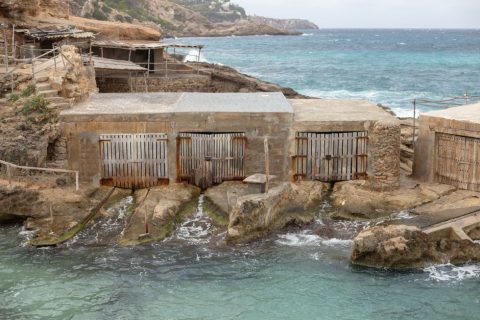
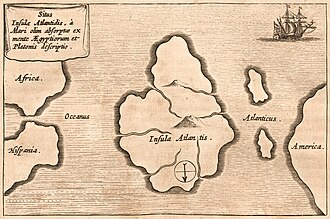
- Atlantis (Sa Pedrera de Cala d'Hort): photo by Athanasius Kircher, Public domain, via Wikimedia Commons
- Mariner: photo by Hervé Cozanet, CC BY-SA 3.0, via Wikimedia Commons
- Monkey: photo by Deerpeter, CC BY-SA 4.0, via Wikimedia Commons
- Ibiza Rocks Bar: photo by CaBLe27, CC BY 2.0, via Wikimedia Commons

_-_1.jpg)
.jpg)


.JPG)
.jpg)


.jpg)
.jpg)


_(190295961).jpg)
.jpg)
.jpg)


