Grodno's position at the crossroads of European civilizations has left an extraordinary archaeological and architectural legacy spanning from pre-Christian Slavic settlements to the early modern period of the Polish-Lithuanian Commonwealth.
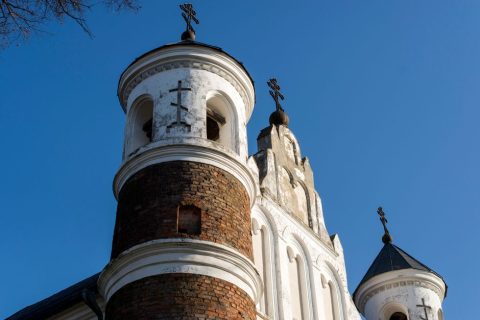
Discovered through excavations beneath the Old Castle grounds, the Lower Church is one of the oldest documented religious structures in Belarus, dating to the 12th century. These remarkable ruins of a Romanesque-Byzantine church are preserved in situ within the castle complex. The archaeological site reveals foundations, original floor tiles, and fragments of decorative plasterwork from Grodno's earliest Christian history, viewable during museum visits.
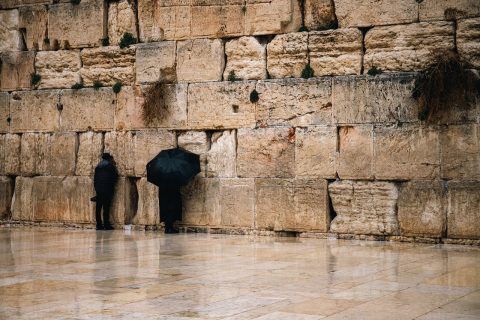
Before WWII, nearly 40% of Grodno's population was Jewish, making it one of the most significant Jewish cultural centers in the region. Walking through streets around Zamkovaya and Vilenskaya, visitors encounter fragments of this lost world: surviving pre-war architecture, memorial plaques, and monuments to Holocaust victims. The Grodno ghetto, established in 1941 and liquidated in 1943, is commemorated throughout the historic center.
Tips for Ancient & Historical Sites
- Guided history tours provide essential context for Grodno's complex multicultural past.
- A dedicated walking map of Jewish heritage sites is recommended — ask at the tourist information center.
- The Old Castle archaeological site is best appreciated with a museum guide for full context.