Grodno's museums reflect the city's multicultural heritage as a crossroads of Belarusian, Polish, Jewish, and Lithuanian cultures, offering fascinating collections from prehistoric times through the Soviet era.
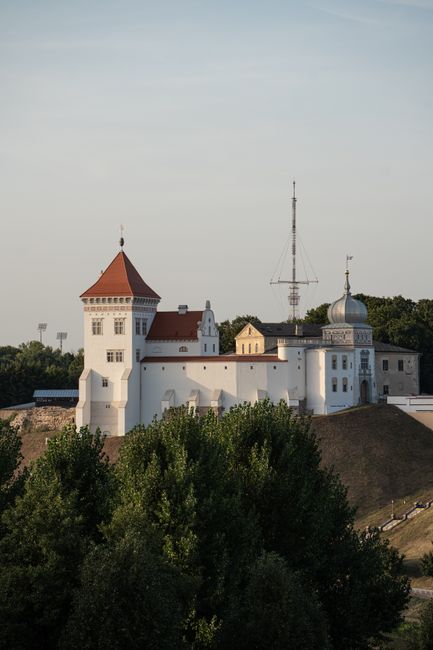
Housed within the Old Castle, this is the city's primary museum featuring extensive collections of archaeological finds, medieval weapons, coins, and artwork from the region. Exhibits trace Grodno's history from the Stone Age through the 20th century, with emphasis on the city's prominence in the Polish-Lithuanian Commonwealth. Highlights include excavated castle courtyard artifacts and a detailed scale model of historic Grodno.
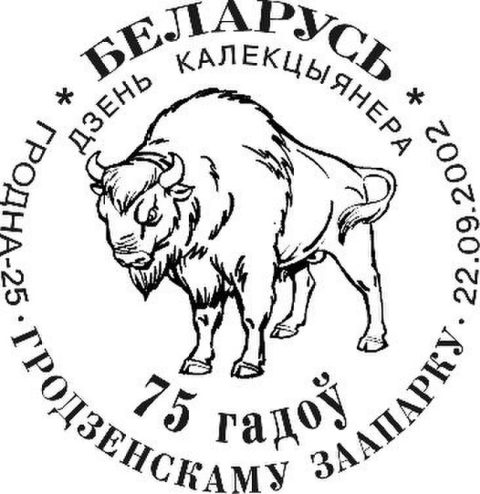
One of the oldest zoos in Belarus, established in 1927, Grodno Zoo is home to over 300 animal species on the scenic banks of the Neman River. Among the residents are European bison (Belarus's national symbol), brown bears, big cats, and exotic birds. The zoo combines wildlife education with pleasant riverside walks and is particularly popular with families visiting the city.
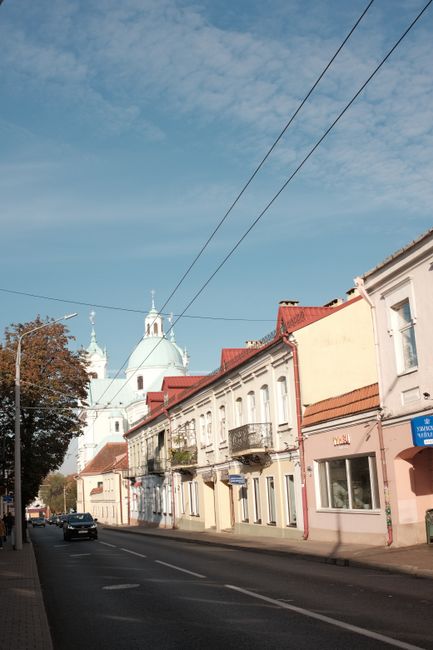
This charming museum occupies a beautifully restored 18th-century merchant house in the historic center, showcasing everyday life in Grodno across different historical periods. Visitors experience reconstructed bourgeois interiors, traditional crafts, and local cultural artifacts. The museum offers an intimate look at how Grodno's diverse communities — Belarusians, Poles, Jews, and Russians — lived alongside one another over the centuries.
Tips for Museums & Galleries
- The History Museum and New Castle museum can be combined into a single half-day tour.
- Grodno Zoo is excellent for families — allow at least a full morning.
- Many museums are closed on Mondays; always verify hours before visiting.
- Guided tours in English may need to be pre-booked through the museum website.