Grodno's strategic location in western Belarus, close to the Polish and Lithuanian borders, makes it an ideal base for day trips to remarkable natural wonders, UNESCO World Heritage sites, and cross-border destinations.
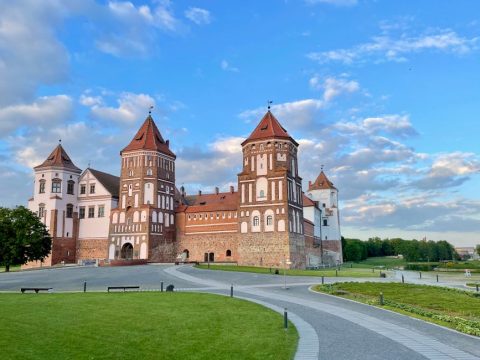
Mir Castle is a UNESCO World Heritage Site and one of Belarus's greatest architectural treasures — a well-preserved 16th-century Gothic-Renaissance castle with surrounding moat and excellent museum, located approximately 150 km east of Grodno. It pairs perfectly with nearby Nesvizh Palace (another UNESCO site) in a popular combined day trip. Both sites can be arranged through Grodno's local tour operators.
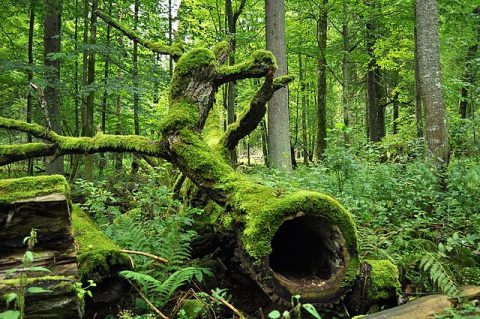
Europe's last primeval lowland forest, Białowieża Forest is a shared UNESCO World Heritage Site between Belarus and Poland. The Belarusian national park, accessible from Grodno in approximately 2 hours, is home to the world's largest population of wild European bison. Guided nature walks into the protected primary forest zone, wildlife observation, and a visit to Father Frost's unique residence make this an unforgettable day trip.
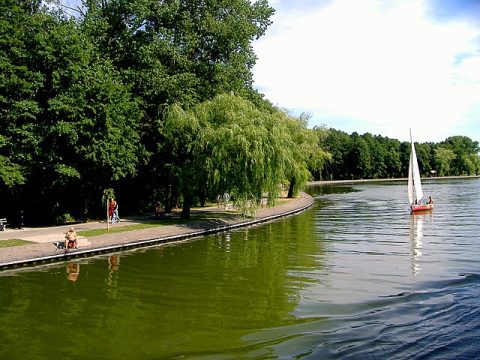
The Augustów Canal, a masterpiece of 19th-century engineering straddling the Belarus-Poland border near Grodno, connects the Neman and Vistula river systems through pristine forest and wetland. The Belarusian section offers beautiful nature walks, kayaking, and boat trips through scenic wilderness. This UNESCO candidate waterway with its historic locks is one of the most scenic natural destinations in the entire Grodno region.
Tips for Day Trips & Excursions
- Mir Castle and Nesvizh Palace can be combined efficiently in a single long day trip from Grodno.
- The Augustów Canal is best visited May–September for kayaking and boat excursions.
- Białowieża Forest requires advance booking for access to restricted primary forest zones.
- Check current visa and border-crossing requirements if considering day trips into Poland or Lithuania.