Things to do in Grodno
Grodno boasts an exceptional collection of architectural landmarks spanning centuries, from medieval fortifications to baroque palaces, making it one of Belarus's most historically rich and visually compelling cities.
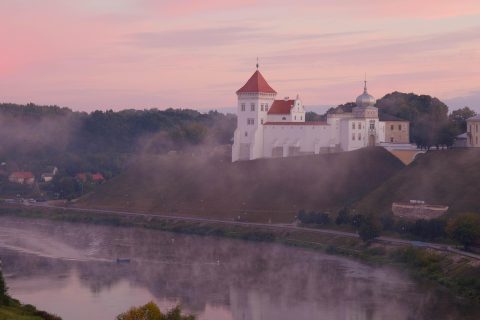
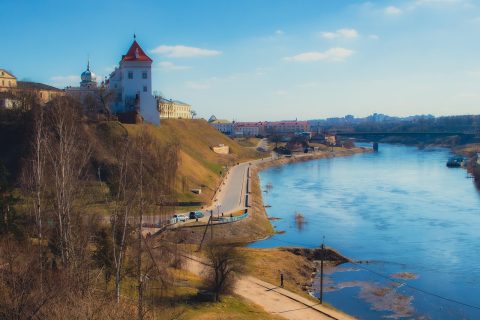
The Old Castle is Grodno's most iconic landmark, founded in the 11th century and rebuilt in Renaissance style in the 16th century under King Stefan Batory. Perched dramatically above the Neman River, it houses the Grodno State History and Archaeology Museum. The castle grounds reveal layers of history from Kievan Rus to the Polish-Lithuanian Commonwealth, with preserved towers, palace halls, and archaeological excavations visible on-site.
Built in 1734–1751 as a royal summer residence for Polish King Augustus III, the New Castle is a striking example of Saxon Baroque architecture. The palace witnessed the last session of the Polish-Lithuanian Commonwealth Sejm in 1793. Today it serves as a museum with partially restored 18th-century interiors. It faces the Old Castle across a scenic courtyard, creating a unique historical ensemble above the river.
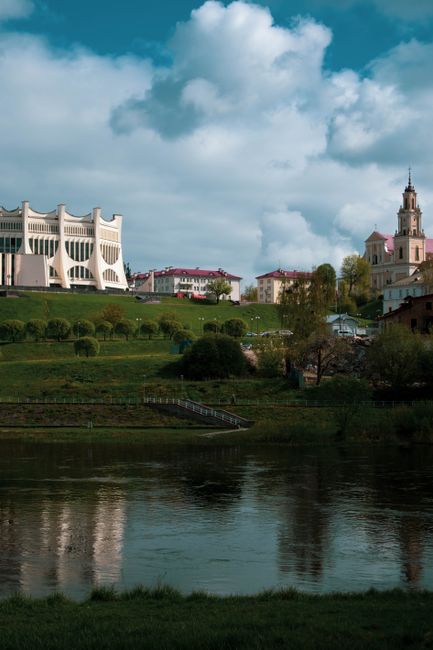
Grodno's Regional Drama Theatre occupies one of the city's most striking neoclassical buildings on the central square. Built in the early 20th century, it remains an active cultural venue staging Belarusian, Russian, and international productions. The grand facade with imposing columns is a beloved city symbol and a popular photography landmark in the historic center.
Tips for Landmarks & Monuments
- Visit the Old and New Castles together — they are within walking distance on the same hill.
- Arrive early morning for castle views over the Neman River with minimal crowds.
- Combined tickets for both castles offer better value than individual entry fees.
- Check museum seasonal hours before visiting as they vary throughout the year.
Grodno's museums reflect the city's multicultural heritage as a crossroads of Belarusian, Polish, Jewish, and Lithuanian cultures, offering fascinating collections from prehistoric times through the Soviet era.
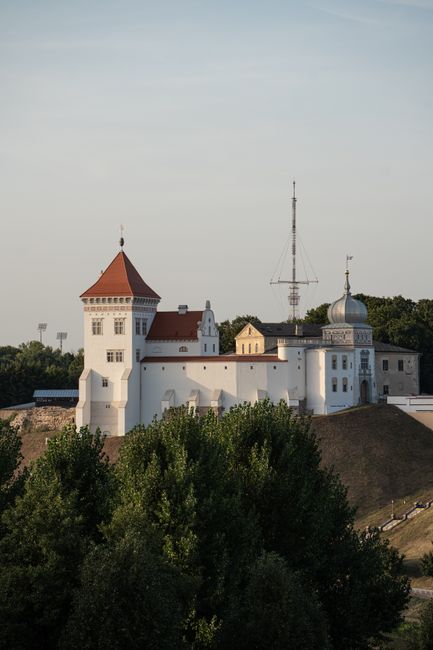
Housed within the Old Castle, this is the city's primary museum featuring extensive collections of archaeological finds, medieval weapons, coins, and artwork from the region. Exhibits trace Grodno's history from the Stone Age through the 20th century, with emphasis on the city's prominence in the Polish-Lithuanian Commonwealth. Highlights include excavated castle courtyard artifacts and a detailed scale model of historic Grodno.
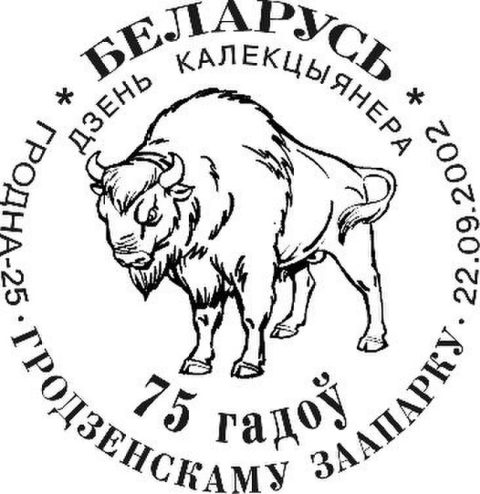
One of the oldest zoos in Belarus, established in 1927, Grodno Zoo is home to over 300 animal species on the scenic banks of the Neman River. Among the residents are European bison (Belarus's national symbol), brown bears, big cats, and exotic birds. The zoo combines wildlife education with pleasant riverside walks and is particularly popular with families visiting the city.
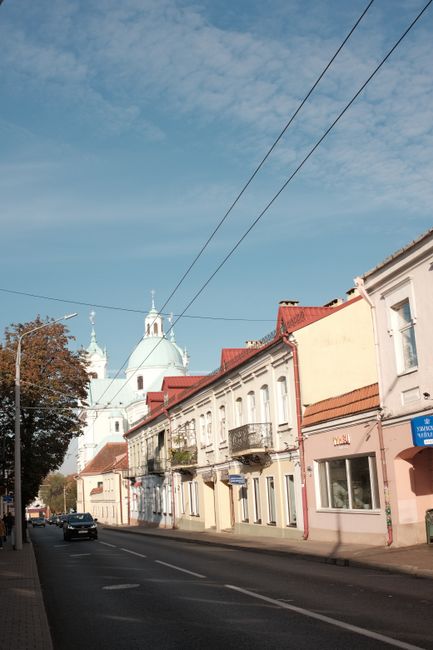
This charming museum occupies a beautifully restored 18th-century merchant house in the historic center, showcasing everyday life in Grodno across different historical periods. Visitors experience reconstructed bourgeois interiors, traditional crafts, and local cultural artifacts. The museum offers an intimate look at how Grodno's diverse communities — Belarusians, Poles, Jews, and Russians — lived alongside one another over the centuries.
Tips for Museums & Galleries
- The History Museum and New Castle museum can be combined into a single half-day tour.
- Grodno Zoo is excellent for families — allow at least a full morning.
- Many museums are closed on Mondays; always verify hours before visiting.
- Guided tours in English may need to be pre-booked through the museum website.
Grodno is celebrated for its extraordinary concentration of religious buildings from multiple faiths and centuries, reflecting its complex multicultural identity as a former jewel of the Polish-Lithuanian Commonwealth.
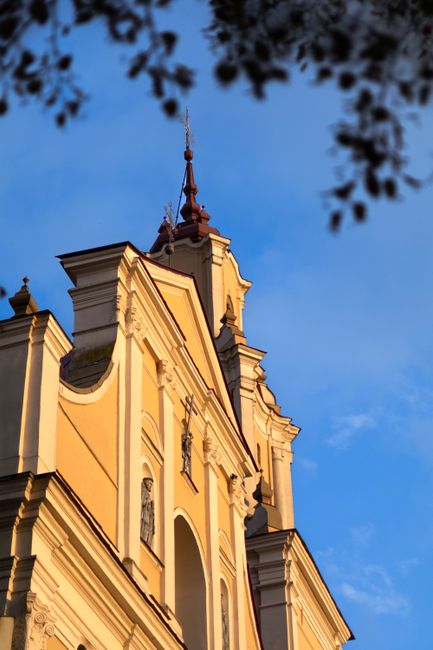
The crown jewel of Grodno's religious architecture, this Jesuit baroque cathedral was built between 1647 and 1705 and is considered one of the finest baroque churches in the entire region. Its soaring twin towers dominate the old town skyline. The interior features stunning painted ceilings, gilded altars, and an exceptional 17th-century pipe organ — one of the largest working historic organs in Eastern Europe — the subject of regular acclaimed concerts.
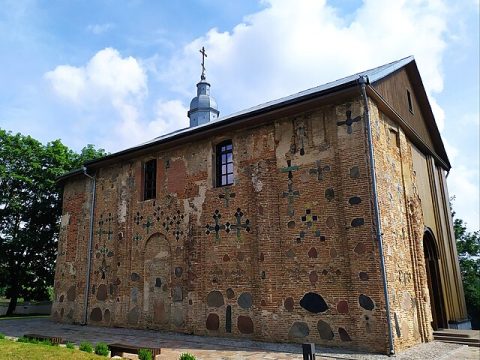
The Kalozha Church is one of the most precious surviving monuments of ancient Rus architecture, built circa 1160 and considered a candidate for UNESCO World Heritage status. This small, austere Orthodox church features unique decorative ceramic inserts in its walls. Its dramatic position on an eroding riverbank cliff, partially collapsed over centuries, makes it one of Belarus's most atmospheric and historically significant sites.
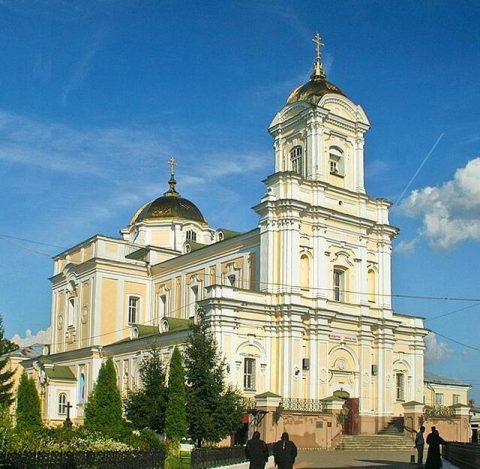
This imposing 16th-century Bernardine complex comprises a Gothic-Renaissance church and monastery — one of the oldest such ensembles in Belarus. The Church of the Assumption of the Virgin Mary features a striking blend of architectural styles accumulated over centuries. The monastery buildings partially serve as a school, while the church remains an active Catholic parish with preserved period frescoes and historic interiors.
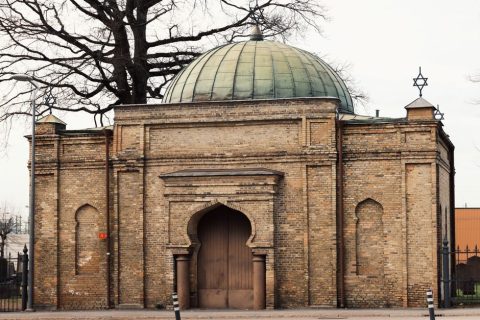
Grodno was once home to one of the largest Jewish communities in Eastern Europe. The site of its 16th-century Great Synagogue — once among the most magnificent in the region — stands as a poignant memorial after its WWII destruction. A small restored synagogue still serves the remaining community. The surrounding streets preserve fragments of the historic Jewish quarter with memorial plaques marking significant sites.
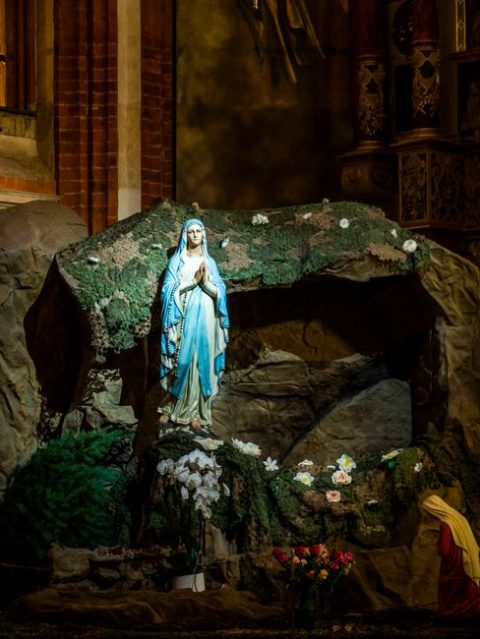
This grand Russian Orthodox cathedral, built in the late 19th century during the Russian Imperial period, represents Grodno's Orthodox heritage with imposing golden domes and elaborately decorated interiors featuring large-scale icons and gilded iconostases. It serves as the main Orthodox church of the Grodno diocese and is especially impressive when illuminated during evening hours.
Tips for Religious Sites
- Dress modestly when visiting churches — shoulders and knees must be covered.
- The Farny Cathedral organ concerts are a highlight — check the schedule and book in advance.
- Visit Kalozha Church at sunset for dramatic golden-hour views over the Neman River.
- Many churches are active places of worship — be respectful and quiet during services.
- The old town's concentration of churches makes a self-guided walking tour extremely rewarding.
Grodno's position at the crossroads of European civilizations has left an extraordinary archaeological and architectural legacy spanning from pre-Christian Slavic settlements to the early modern period of the Polish-Lithuanian Commonwealth.
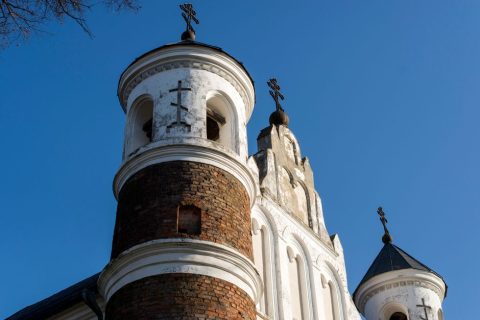
Discovered through excavations beneath the Old Castle grounds, the Lower Church is one of the oldest documented religious structures in Belarus, dating to the 12th century. These remarkable ruins of a Romanesque-Byzantine church are preserved in situ within the castle complex. The archaeological site reveals foundations, original floor tiles, and fragments of decorative plasterwork from Grodno's earliest Christian history, viewable during museum visits.
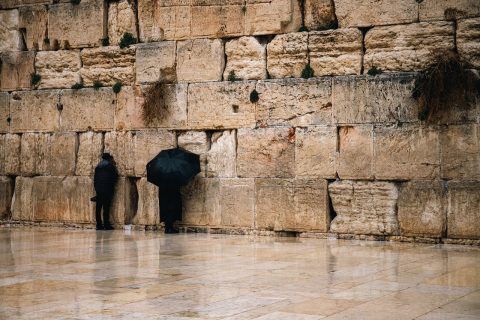
Before WWII, nearly 40% of Grodno's population was Jewish, making it one of the most significant Jewish cultural centers in the region. Walking through streets around Zamkovaya and Vilenskaya, visitors encounter fragments of this lost world: surviving pre-war architecture, memorial plaques, and monuments to Holocaust victims. The Grodno ghetto, established in 1941 and liquidated in 1943, is commemorated throughout the historic center.
Tips for Ancient & Historical Sites
- Guided history tours provide essential context for Grodno's complex multicultural past.
- A dedicated walking map of Jewish heritage sites is recommended — ask at the tourist information center.
- The Old Castle archaeological site is best appreciated with a museum guide for full context.
Grodno's historic streets and squares form a remarkably intact 18th–19th century urban landscape, ideal for leisurely exploration through one of Belarus's most atmospheric and walkable old towns.
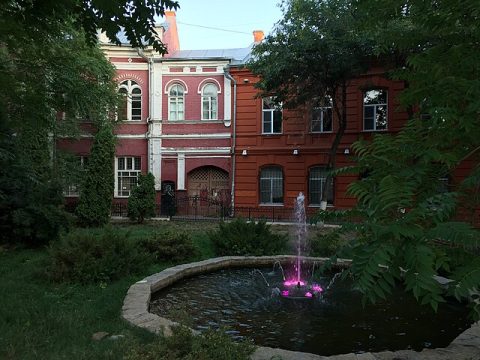
Sovetskaya Street is Grodno's main pedestrian thoroughfare, lined with beautifully preserved 18th and 19th-century merchant buildings housing cafes, restaurants, boutiques, and cultural venues. It connects the central Soviet Square with the historic old town, forming the city's social backbone. In evenings it fills with locals and visitors enjoying street musicians, outdoor dining terraces, and the relaxed Belarusian urban atmosphere.
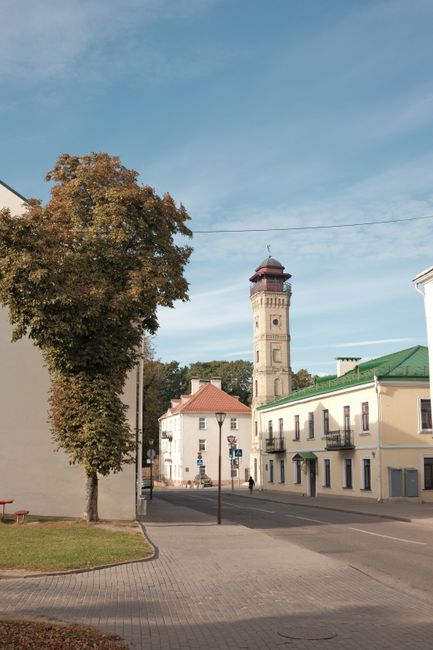
Grodno's central square is a classic example of Soviet urban planning, featuring the Drama Theatre, government buildings, and a prominent Lenin monument. Surrounded by well-maintained green spaces and flanked by historic baroque and neoclassical facades, the square hosts city events, seasonal markets, and public celebrations. Its juxtaposition of Soviet monuments with centuries-older architecture tells Grodno's layered political story visually.
Tips for Squares & Streets
- Sovetskaya Street is most vibrant in the evenings — join locals for the traditional evening promenade.
- The old town is compact and easily explored on foot within 1–2 hours.
- Explore side streets off Sovetskaya for surviving 18th-century merchant house facades.
Grodno's distinct neighborhoods reveal different layers of the city's history, from the medieval castle hill and baroque merchant quarters to the 19th-century artisan suburb across the Neman River.
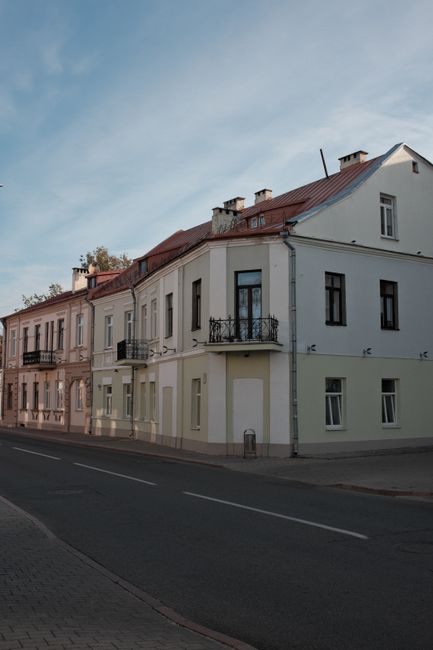
Grodno's historic center is one of the best-preserved old towns in Belarus, with a dense concentration of baroque, Renaissance, and neoclassical buildings in a compact, walkable area. Centered on the castle hill and descending to the Neman River, it encompasses the major churches, museums, historic merchant houses, and restaurants. Unlike many Belarusian cities devastated in WWII, Grodno's core survived largely intact, preserving its pre-war urban character.
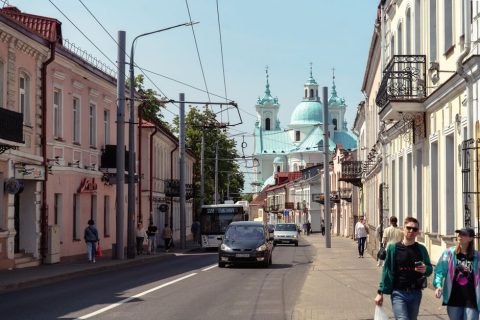
The Forstadt district, just across the Neman River from the old town, preserves a fascinating collection of 19th and early 20th-century wooden and brick residential architecture. This former artisan quarter with its narrow streets, historic Orthodox church, and traditional buildings offers a quieter, more authentic glimpse of pre-Soviet provincial life — increasingly popular with photographers and off-the-beaten-path explorers.
Tips for Neighborhoods & Districts
- The old town is very walkable — comfortable shoes are essential for cobblestone streets.
- Explore side streets beyond the main tourist circuit for hidden architectural gems.
- The Forstadt district across the river is an excellent half-day exploration away from crowds.
Grodno offers beautiful green spaces along the scenic Neman River and within the city center, providing welcome natural respite amid its dense historical and architectural fabric.
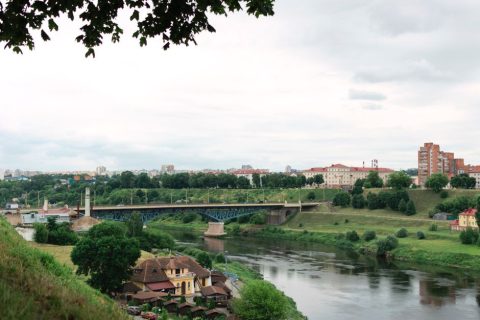
The Neman River embankment is Grodno's most beloved recreational area, offering scenic walks with views of the castle hill, Kalozha Church, and forested opposite bank. The park features walking and cycling paths, riverside cafes, and benches. In summer, boat trips on the Neman depart from here. The combination of natural scenery and the city's historic skyline makes this one of the most picturesque settings in all of Belarus.
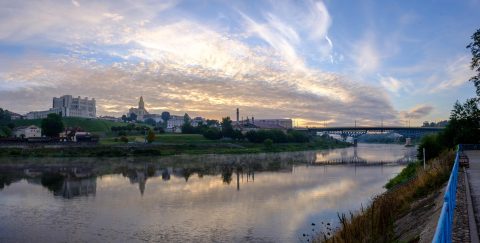
Named after French botanist Jean-Emmanuel Gilibert who founded a botanical garden in Grodno in the 18th century, Zhiliber Park is the city's main urban green space. Located near the center, it features mature trees, walking paths, a summer outdoor concert stage, children's play areas, and recreational facilities. A popular gathering place for residents and a peaceful escape from the busy historic center.
Tips for Parks & Gardens
- The riverside walk from Kalozha Church to the Old Bridge is one of Grodno's most scenic routes.
- Pack a picnic to enjoy along the Neman embankment during summer months.
- Zhiliber Park hosts free outdoor concerts in summer — check local event listings.
- Autumn visits reveal spectacular foliage along the riverbank, ideal for photography.
Grodno's public spaces feature fountains, sculptures, and monuments reflecting its layered history — from Soviet-era memorials to contemporary urban installations scattered through the atmospheric old town.
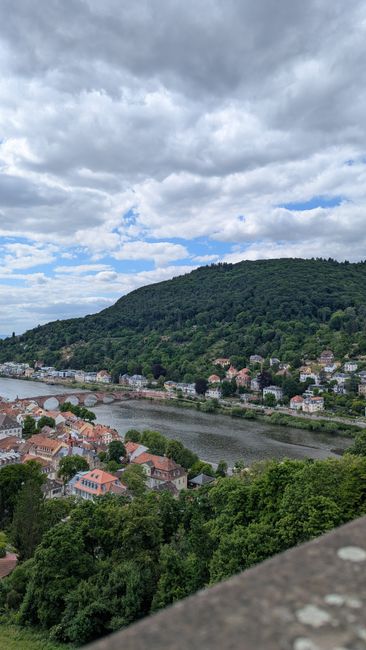
The castle hill promenade between the Old and New Castles features decorative sculptures, memorial markers, and a sweeping terrace overlooking the Neman River. This elevated vantage point is one of the finest viewpoints in Grodno, offering panoramic views across the river valley and forested hills beyond. The area is particularly atmospheric at dusk when the river and historic facades are bathed in golden light.
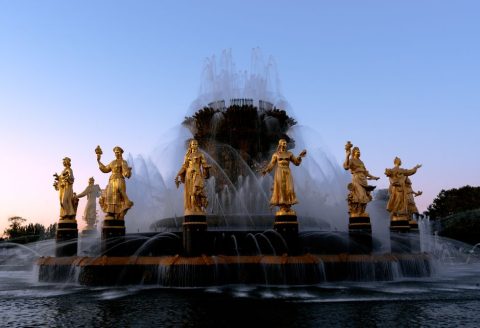
The central Soviet Square features ornamental fountains, a prominent Lenin monument, and an eternal flame memorial honoring WWII victims. These Soviet-era public art elements stand in striking contrast to the historic baroque and neoclassical buildings surrounding the square, creating a compelling visual timeline of Grodno's 20th-century political transformations. The square and fountains are attractively illuminated at night.
Tips for Fountains & Public Art
- The central square is best photographed in the evening when fountains and monuments are illuminated.
- The castle hill terrace is the premier sunset viewpoint in Grodno — arrive 30 minutes before sunset.
- Look for decorative sculptural details on historic building facades throughout the old town streets.
Grodno is well-connected by rail and bus to major Belarusian cities and neighboring countries, situated near the Polish and Lithuanian borders, making it an excellent base for regional exploration.
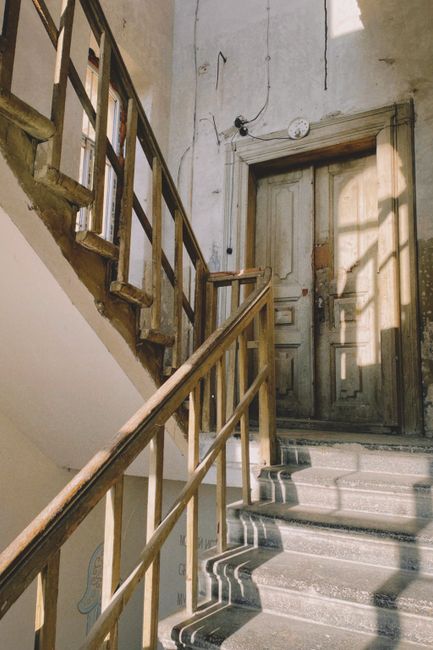
The Grodno Railway Station is itself a notable Soviet-era architectural landmark with a grand neoclassical facade built in the 1950s. It serves as the main transportation hub connecting Grodno to Minsk (4–5 hours), Brest, and international destinations in Poland and Lithuania. International trains require a border crossing stop with passport control — allow extra time for these journeys.
Tips for Transportation
- Book train tickets in advance at rw.by, especially for weekend travel to or from Minsk.
- International travelers must hold a valid Belarusian visa or qualify for the visa-free program.
- A car is unnecessary for sightseeing within the historic center — everything is walkable.
- Yandex.Taxi is the safest and most reliable taxi option; always confirm the fare before departure.
Grodno offers a rich variety of guided tours and experiential activities that bring its complex multicultural history to life, from walking tours through the old town to river cruises and world-class organ music concerts.
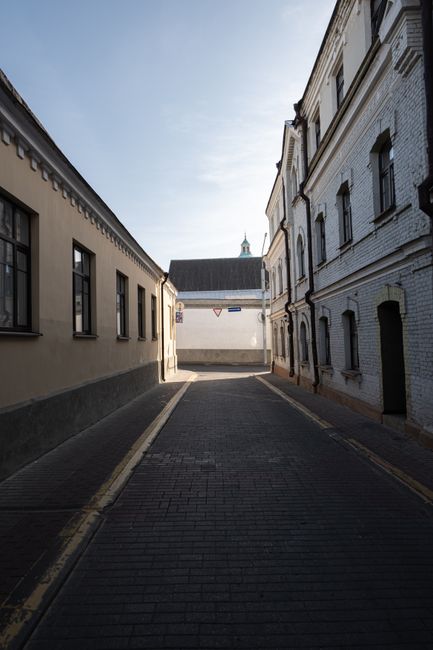
Guided walking tours of Grodno's historic center are the best way to understand the city's layered history across the Grand Duchy of Lithuania, the Polish-Lithuanian Commonwealth, the Russian Empire, and the Soviet Union. Expert local guides bring to life stories of medieval kings, baroque architects, Jewish merchants, and WWII survivors, covering the two castles, Farny Cathedral, Kalozha Church, and the former Jewish quarter.
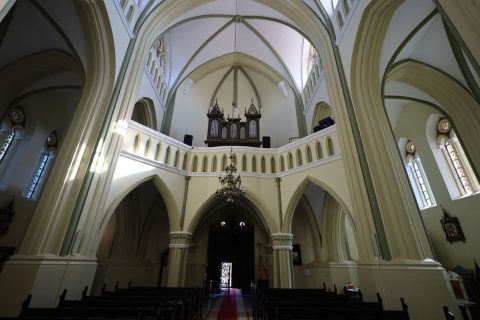
The Cathedral of St. Francis Xavier hosts regular organ concerts performed on its magnificent historic pipe organ — one of the finest in Eastern Europe. These concerts feature sacred music, classical compositions, and contemporary works in a breathtakingly beautiful baroque setting with world-class acoustics. Concerts are especially popular in summer and during religious holidays; tickets sell out quickly and advance booking is strongly recommended.
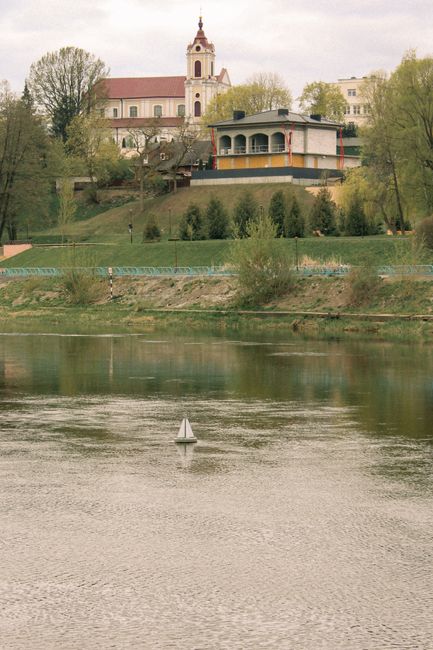
Seasonal boat excursions on the Neman River offer a unique perspective on Grodno's historic skyline from the water. Departing from the riverside embankment near Kalozha Church, these pleasant cruises drift past the castle hill and into the scenic natural landscape surrounding the city. Available May through September, the trips provide excellent photography opportunities of the famous castle-and-church silhouette from the river.
Tips for Tours & Activities
- Book walking tours through the city tourist information center or the museum website.
- Organ concerts at Farny Cathedral sell out quickly in summer — book at least a week ahead.
- River boat trips run seasonally (May–September) and depend on weather conditions.
- Ask guides specifically about Grodno's Jewish heritage — this deeply moving history is often the most memorable part of any visit.
Grodno's strategic location in western Belarus, close to the Polish and Lithuanian borders, makes it an ideal base for day trips to remarkable natural wonders, UNESCO World Heritage sites, and cross-border destinations.
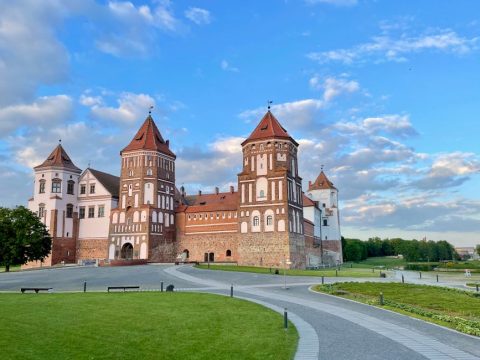
Mir Castle is a UNESCO World Heritage Site and one of Belarus's greatest architectural treasures — a well-preserved 16th-century Gothic-Renaissance castle with surrounding moat and excellent museum, located approximately 150 km east of Grodno. It pairs perfectly with nearby Nesvizh Palace (another UNESCO site) in a popular combined day trip. Both sites can be arranged through Grodno's local tour operators.
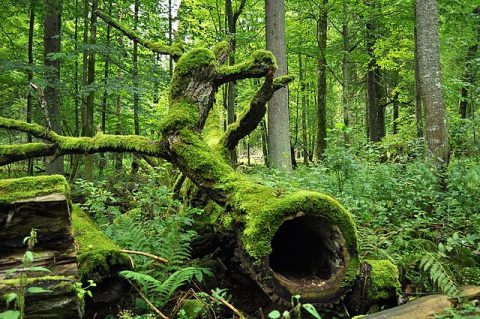
Europe's last primeval lowland forest, Białowieża Forest is a shared UNESCO World Heritage Site between Belarus and Poland. The Belarusian national park, accessible from Grodno in approximately 2 hours, is home to the world's largest population of wild European bison. Guided nature walks into the protected primary forest zone, wildlife observation, and a visit to Father Frost's unique residence make this an unforgettable day trip.
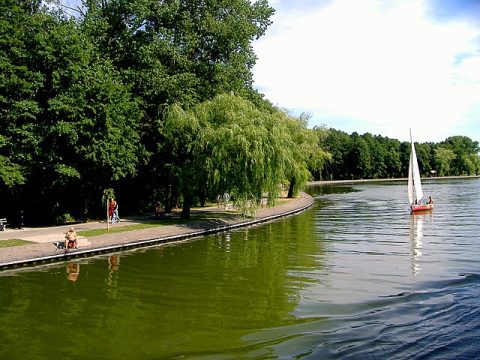
The Augustów Canal, a masterpiece of 19th-century engineering straddling the Belarus-Poland border near Grodno, connects the Neman and Vistula river systems through pristine forest and wetland. The Belarusian section offers beautiful nature walks, kayaking, and boat trips through scenic wilderness. This UNESCO candidate waterway with its historic locks is one of the most scenic natural destinations in the entire Grodno region.
Tips for Day Trips & Excursions
- Mir Castle and Nesvizh Palace can be combined efficiently in a single long day trip from Grodno.
- The Augustów Canal is best visited May–September for kayaking and boat excursions.
- Białowieża Forest requires advance booking for access to restricted primary forest zones.
- Check current visa and border-crossing requirements if considering day trips into Poland or Lithuania.
Real, highly-rated Restaurants in Grodno, sourced from Google Places (rating above 4★).
Blinnaya Laboratoriya is a highly-rated restaurant in Grodno, rated 5★ from 24 reviews. Located at бульвар Ленинского Комсомола 56, Hrodna, Hrodna Region 230030, Belarus.
Opening Hours
- Monday: 11:00 AM – 11:00 PM
- Tuesday: 11:00 AM – 11:00 PM
- Wednesday: 11:00 AM – 11:00 PM
- Thursday: 11:00 AM – 11:00 PM
- Friday: 11:00 AM – 11:00 PM
- Saturday: 11:00 AM – 11:00 PM
- Sunday: 11:00 AM – 11:00 PM
THE CULT RESTAURANT is a highly-rated restaurant in Grodno, rated 4.9★ from 45 reviews. Located at Vilienskaja vulica 37, Hrodna, Hrodna Region 230023, Belarus.
Opening Hours
- Monday: 8:00 AM – 11:00 PM
- Tuesday: 8:00 AM – 11:00 PM
- Wednesday: 8:00 AM – 11:00 PM
- Thursday: 8:00 AM – 11:00 PM
- Friday: 8:00 AM – 12:00 AM
- Saturday: 8:00 AM – 12:00 AM
- Sunday: 8:00 AM – 11:00 PM
Explore Grodno on the Map
Best Time to Visit Grodno
| Season | Weather | Highlights | Notes |
|---|---|---|---|
| May–June | Warm, 15–22°C, some rain | Spring greenery, festivals, ideal walking weather | Best overall time |
| July–August | Hot, 20–28°C, thunderstorms possible | River activities, outdoor events, long daylight | Peak season, busiest period |
| September–October | Cool, 8–18°C, crisp and clear | Autumn foliage, fewer crowds, harvest festivals | Excellent for photography |
| November–March | Cold, -5 to 5°C, possible snow | Winter atmosphere, Christmas markets | Short days, some attractions close |
Recommendation: Late May through early October offers the best combination of pleasant weather, full attraction access, and vibrant city life. September is particularly magical with golden autumn foliage along the Neman River and fewer tourists than summer.
Shopping in Grodno
What to Buy
- Belarusian linen: High-quality linen clothing, tablecloths, and textiles — a Belarusian specialty and excellent value.
- Traditional ceramics: Hand-painted pottery from local artisans makes unique souvenirs.
- Amber jewelry: Baltic amber pieces available at souvenir shops throughout the old town.
- Belarusian chocolate: Kommunarka and Spartak brand confectioneries are beloved and make perfect affordable gifts.
- Flax products: Belarus is a major flax producer — linen textiles and flaxseed products are distinctive regional items.
Where to Shop
- Sovetskaya Street: Craft shops and souvenir boutiques along the main pedestrian zone.
- Central Market (Centralny Rynok): Fresh produce, local food products, and everyday goods in an authentic market setting.
- Grodno Mall: Modern shopping center with international and local brands near the city center.
Note: Prices are fixed in most stores; bargaining is not customary in Belarus.
Festivals & Events in Grodno
- Hrodna Gubernia Festival (Summer): Annual cultural festival celebrating the region's multicultural heritage with music, theater, and craft markets in the historic center — the city's most popular event.
- International Organ Music Festival: Prestigious series of classical concerts at Farny Cathedral attracting leading organists from across Europe.
- City Day (September): Grodno celebrates its founding anniversary with street performances, concerts, and fireworks along the Neman embankment.
- Christmas & New Year Markets (December): Festive markets in the central square with traditional crafts, mulled wine, and seasonal entertainment.
- Easter Celebrations: Both Catholic and Orthodox Easter observed with special services and public events, reflecting the city's religious diversity.
- Kupalle / Ivan Kupala (July): Traditional Slavic midsummer celebration with bonfires, folk music, and rituals along the Neman River.
Sample Day Itineraries for Grodno
Day 1 — Historic Heart of Grodno
- Morning: Old Castle and History & Archaeology Museum (2 hours)
- Mid-morning: New Castle museum and royal apartment exhibits
- Lunch: Traditional Belarusian restaurant in the old town
- Afternoon: Farny Cathedral interior and Bernardine Monastery
- Late afternoon: Stroll Sovetskaya Street, coffee and cake at a local cafe
- Evening: Organ concert at Farny Cathedral (book in advance)
Day 2 — Ancient Roots & Nature
- Early morning: Kalozha Church at sunrise for river views
- Morning: Neman River embankment walk
- Lunch: Riverside cafe
- Afternoon: Grodno Zoo (2–3 hours)
- Late afternoon: Zhiliber Park and central square
- Evening: Dinner at a local restaurant; evening promenade on Sovetskaya
Day 3 — Cultural & Jewish Heritage
- Morning: Guided Jewish heritage walking tour of former ghetto area
- Mid-morning: Former Great Synagogue site and Holocaust memorial
- Lunch: Explore the Forstadt district across the Neman River
- Afternoon: Museum of Urban Life; local craft and souvenir shopping
- Evening: Neman River sunset boat cruise (seasonal, May–September)
Day 4 — UNESCO Day Trip: Mir & Nesvizh
- Early morning: Depart for Mir Castle by car or organized tour (2 hours)
- Morning: Mir Castle complex — grounds, towers, and museum
- Lunch: At the Mir Castle restaurant
- Afternoon: Drive to Nesvizh Palace (30 minutes from Mir) — another UNESCO masterpiece
- Late afternoon: Return drive to Grodno
- Evening: Rest and farewell dinner in Grodno
Day 5 — Augustów Canal Nature Escape
- Morning: Drive to the Augustów Canal (45 minutes from Grodno)
- Morning/Afternoon: Kayak or guided boat trip through forested canal scenery
- Midday: Picnic lunch by the canal
- Afternoon: Visit historic 19th-century locks and the canal visitor center
- Evening: Return to Grodno for a relaxed final dinner
Best Photography Spots in Grodno
- Castle Hill Terrace at Sunrise: The panoramic view of both castles from the Neman riverbank is most dramatic in early morning light — autumn river mist creates magical conditions.
- Kalozha Church Clifftop: The 12th-century church perched on its eroding bluff provides one of Belarus's most striking architectural photographs, especially at golden hour.
- Farny Cathedral Facade: The baroque twin towers are best photographed from the old town square below in late afternoon light when the facade glows warm amber.
- Sovetskaya Street at Dusk: As evening lights illuminate the 18th-century merchant facades and crowds gather, the pedestrian street becomes an atmospheric urban scene.
- Old Bridge Panorama: The pedestrian bridge offers sweeping views of the castle hill, both castles, Kalozha Church, and the Neman River simultaneously.
- Farny Cathedral Interior: The gilded baroque interior with painted ceilings and ornate altars is visually stunning — organ concert candlelight adds exceptional atmosphere.
- Forstadt District: The 19th-century wooden houses and narrow lanes of this riverside suburb offer authentic architectural photography away from tourist crowds.
Pro tip: Golden hour (one hour after sunrise and before sunset) is ideal for outdoor shots. Cool autumn mornings produce photogenic river mist that transforms the castle hill into an ethereal scene.
Electricity & Power Adapters
- Voltage: 220V, 50Hz (standard continental European)
- Plug types: Type C and Type F (Schuko) — standard round two-pin European plugs
- Adapter needed from: UK (Type G), USA/Canada (Type A/B), Australia (Type I)
- Voltage converter: Not needed for modern electronics — most devices support 100–240V universally
- USB charging: Most hotels provide USB ports; a portable power bank is recommended for full days of sightseeing
Belarus uses the same electrical standard as most of continental Europe. UK, US, Canadian, and Australian travelers will need a plug adapter but not a voltage converter for standard modern devices.
Food & Drink in Grodno
Must-Try Belarusian Dishes
- Draniki: Thick potato pancakes — the beloved national dish of Belarus. Served with sour cream (smetana), every restaurant has its own signature version.
- Machanka: Slow-cooked pork ribs with rich thick gravy, traditionally eaten with blini (pancakes).
- Kalduny: Belarusian dumplings stuffed with meat, mushrooms, or cheese — heartier than Russian pelmeni.
- Kholodnik: Refreshing cold beet soup with cucumbers and boiled eggs — perfect in summer.
- Kvas: Traditional fermented bread drink, widely available from street vendors in summer.
- Local dairy: Belarusian smetana, kefir, and cheeses are outstanding and central to local cuisine.
Dining Tips
- Old town restaurants cater to tourists and offer English menus; venture a few streets away for more local prices.
- Weekday biznes-lanch (business lunch) set menus are excellent value — typically $3–8 USD for a full multi-course meal.
- Grodno's growing cafe culture concentrates on and around Sovetskaya Street.
- Try local craft beer from Grodno Brewery alongside traditional Belarusian dishes for an authentic pairing.
Tourist Passes
Grodno Museum Combined Ticket
A combined museum ticket offering discounted entry to both the Old Castle (History and Archaeology Museum) and the New Castle museum. Available at ticket offices on-site. Saves approximately 20–30% compared to individual entry fees — ideal for visitors planning to explore both historic castles on the same day.
www.grodnomuzeum.byBelarus e-Visa (Electronic Visa)
Citizens of many countries can obtain a Belarusian e-Visa online before travel — valid for 30 days and covering all tourist destinations including Grodno. The application process is straightforward through the official portal. Some nationalities enjoy visa-free access for short stays. Always verify current requirements through official sources well in advance of travel, as regulations may change.
evisa.gov.by