Beyond Teide and the coastal resorts, Tenerife hides a quieter, wilder side that most visitors never see. These spots trade crowds for volcanic silence, forgotten fishing hamlets, and viewpoints locals keep half to themselves.
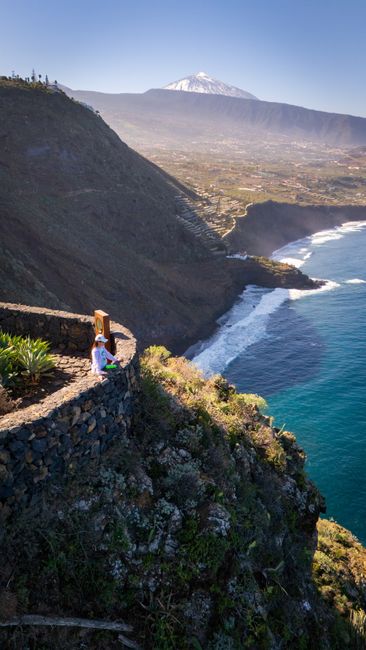
Mirador de la Tabaiba (Chinamada)
Tucked into the Anaga massif above the village of Chinamada, this cliffside viewpoint looks out over terraced ravines toward the Atlantic. A handful of homes here are still partly carved into the volcanic rock, a building style that has survived for centuries in this pocket of the island. The short walk in from the parking area passes laurel-forest fragments and grazing goats, and there is rarely another visitor in sight even in high season. A small rustic guachinche-style eatery near the trailhead serves goat cheese and local wine. It is best reached by car along a narrow, winding road, so allow extra time and drive cautiously on the final stretch.
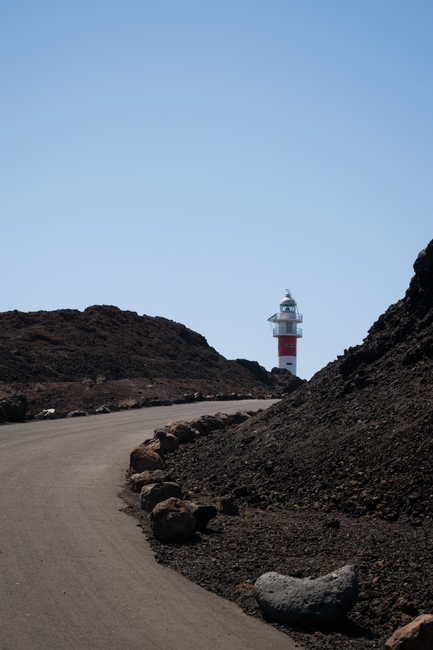
Punta de Teno
The westernmost tip of Tenerife feels like the edge of the world: a flat volcanic peninsula with a lighthouse, black-sand coves, and sweeping views back toward the Los Gigantes cliffs. Access is restricted to a shuttle bus or bicycle for much of the year to protect the fragile road and coastline, which keeps visitor numbers naturally low. Sunset here is spectacular, with the sky and sea both catching volcanic-red light. There are no shops or facilities, so bring water and snacks. The drive or ride out passes abandoned banana terraces and dramatic sea cliffs that few tourists ever photograph.
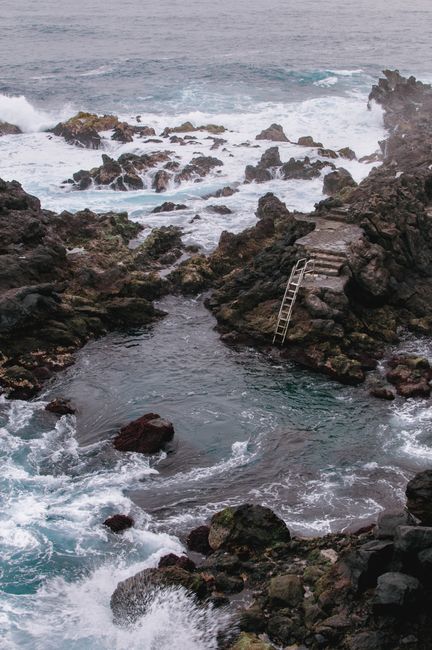
Piscinas Naturales de Bajamar
On the rugged north coast near La Laguna, volcanic rock pools filled by the tide form a network of natural swimming holes used almost entirely by locals rather than tourists. Concrete walkways and ladders make entry easy, while the black basalt backdrop and crashing Atlantic swell give the setting a raw, dramatic feel very different from the calm resort beaches of the south. Mornings are quiet and the water is refreshingly cool. Nearby cafes serve simple grilled fish and papas arrugadas to sunbathers drying off on the rocks. Swimming conditions can turn rough in winter swells, so check local flags before entering.
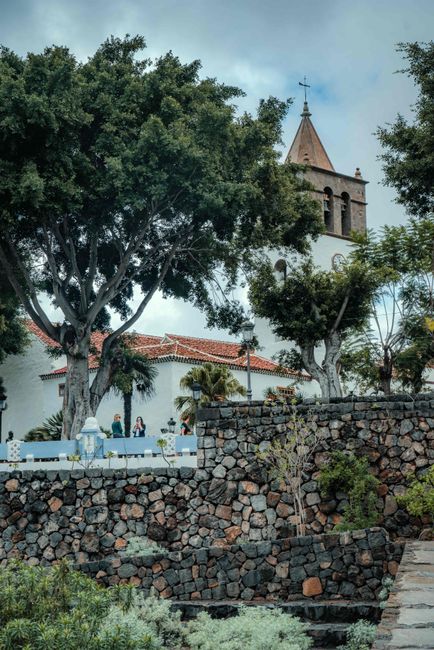
Pueblo de Chirche
A near-abandoned hamlet above Santiago del Teide, Chirche has been slowly restored as a rural eco-museum where old stone houses, a working bakery, and terraced gardens sit largely undisturbed by tourism. Volunteers and a small resident community maintain traditional Canarian farming plots, and visitors can wander freely through cobbled lanes shaded by dragon trees and prickly pear. The setting offers views across the Guía de Isora valley toward the sea. It is a favorite of hikers connecting nearby trails but stays largely unknown to beach-based travelers. Come on a weekday for the quietest experience and easiest parking along the narrow access road.
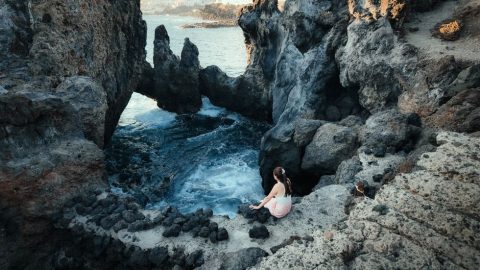
Charco del Viento
Near San Juan de la Rambla, this volcanic pool complex sits below dark cliffs where waves surge dramatically through natural rock channels. Locals gather here for sunset swims and simple seafood at the tiny beachfront bars, but the spot rarely appears on tourist itineraries despite being only minutes from Icod de los Vinos. The pools are naturally refreshed by the tide, giving clearer, calmer water than the open ocean nearby. Photographers favor it for dramatic wave shots against the black rock. Footwear with grip is recommended, since the volcanic surfaces get slippery, and the site has minimal facilities beyond a few small cafes.
Tips for Hidden Gems
- Rent a car for these spots — public transport rarely reaches Anaga villages, Punta de Teno, or the smaller north-coast pools.
- Visit Punta de Teno in late afternoon for the best light and to catch sunset before the last shuttle back.
- Weekday mornings offer the quietest experience at every location on this list, especially Chinamada and Chirche.
- Pack water shoes for the volcanic rock pools at Bajamar and Charco del Viento — the surfaces are sharp and slippery.