Plan your trip to Tenerife
- How long
- 4-7 days: the south for beaches, plus days for Teide, Masca and the Anaga and La Laguna side.
- Best for
- Sun-and-nature travellers: year-round warm weather, beaches, whale watching and a volcano with stargazing on the same island.
- Skip it if
- You want to see everything by bus: much of the island (Masca, Teide, Anaga) is easier with a car or a tour.
If you only do three things
- Teide National Park: the cable car to 3,555 m (a permit is needed to go on to the summit).
- La Laguna (UNESCO old town) and the Anaga laurel forest.
- Masca village, Garachico and a boat trip at Los Gigantes or Costa Adeje to see whales and dolphins.
A one-day route
- Morning: Teide cable car early (book ahead), then the crater-rim views.
- Midday: Lunch in Vilaflor or La Orotava.
- Afternoon: Garachico and Masca (check access and permits for the Masca gorge trail).
- Evening: Sunset from Teide with a stargazing tour, or dinner in Puerto de la Cruz.
Before you go
- Book Teide cable car, Siam Park and the La Gomera ferry online in advance in peak season.
- A tram links Santa Cruz with La Laguna.
- The Masca gorge trail needs a permit and is often closed; check current access.
- A rental car makes the island much easier; the Titsa bus network is infrequent on some routes.
Prices, opening status and transport in this plan checked against official sources on 30 September 2026.
Things to do in Tenerife
Tenerife's skyline is dominated by Mount Teide, Spain's highest peak and a dormant volcano at the heart of a lunar-like national park, while Santiago Calatrava's white sail-shaped auditorium and a 1,000-year-old dragon tree round out an island of striking natural and architectural icons.
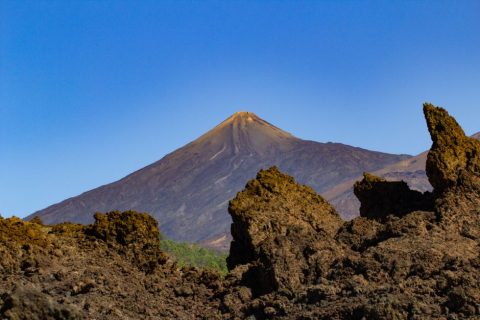
Mount Teide & Teide National Park
At 3,718 meters, Mount Teide is Spain's highest peak and the third-largest volcano in the world measured from its base. The surrounding national park protects a UNESCO-listed landscape of petrified lava flows, red-and-ochre rock formations, and rare endemic plants like the Teide bugloss. A cable car climbs to 3,555m in eight minutes, leaving a short hike to the crater rim (A reservation is required for the summit trail; since 19 January 2026, access during regulated hours is paid for most visitors, with rates up to €25.). On clear days the view stretches across all the Canary Islands. Sunset and stargazing tours are especially popular given the park's near-zero light pollution.
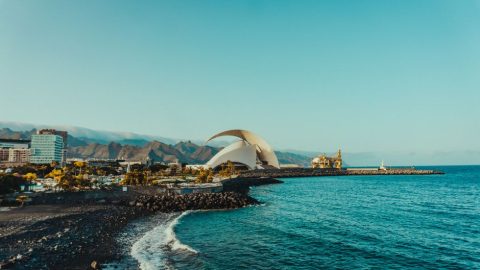
Auditorio de Tenerife
This sail-shaped concert hall by architect Santiago Calatrava opened in 2003 and has since become Tenerife's defining modern landmark, often compared to Sydney Opera House. Its sweeping white concrete curve rises directly from the Santa Cruz waterfront, housing a symphony hall and opera venue. Guided tours explain the engineering behind the cantilevered roof. Best photographed at sunset from across the harbor or from the adjacent Parque Marítimo César Manrique.
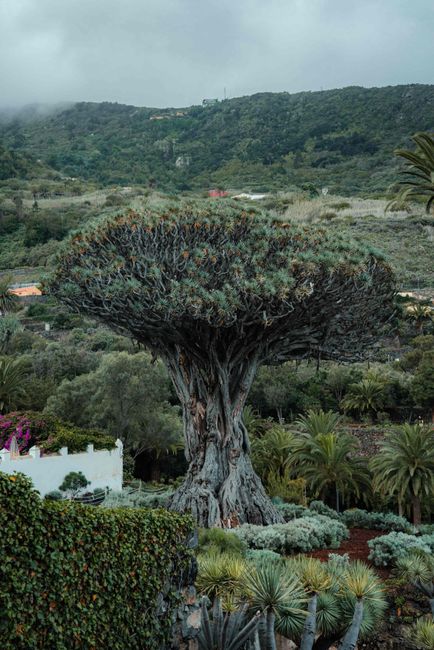
Drago Milenario (Thousand-Year Dragon Tree)
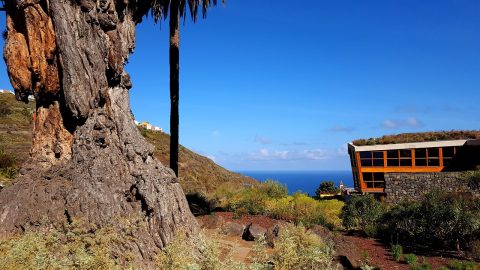
In the town of Icod de los Vinos stands one of the oldest and largest specimens of Dracaena draco, a dragon tree estimated at 800-1,000 years old and about 17–21 metres tall. Its umbrella-like crown and red resin, historically prized as "dragon's blood," made it a symbol of the Canary Islands long before mass tourism. The surrounding botanical garden and viewing platforms let visitors appreciate the tree's scale. Best visited in the morning when the town square is quiet.
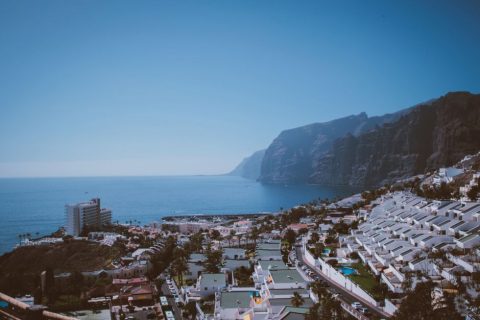
Los Gigantes Cliffs
These sheer volcanic cliffs plunge several hundred meters (up to about 600) straight into the Atlantic along Tenerife's west coast, forming one of the island's most dramatic natural landmarks. Best appreciated from the water — boat trips from the harbor town of the same name pass directly beneath the rock face and often spot pilot whales and dolphins en route. Viewpoints in the town of Los Gigantes offer a more accessible, if less dramatic, angle. Sunset boat trips are the most popular way to experience the scale of the cliffs.
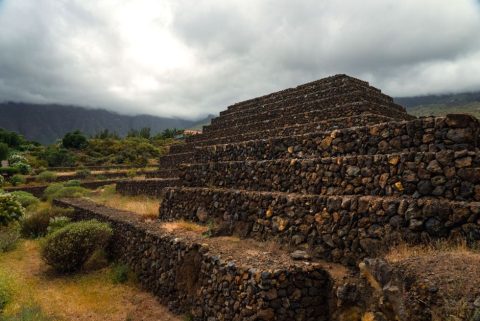
Pirámides de Güímar
Six rectangular stepped stone structures in the town of Güímar, made of volcanic rock without mortar, whose origin remains debated between colonial-era agricultural terracing and pre-Hispanic ceremonial use. Norwegian explorer Thor Heyerdahl championed their significance and founded the ethnographic park now surrounding them, which includes a museum on his transoceanic voyages. An unusual and lesser-visited stop that pairs well with a Güímar valley day trip.
Tips for Landmarks & Monuments
- Book the Teide cable car and summit access permit at least 2-3 weeks ahead in summer — both sell out
- Bring warm layers for Teide even in summer; the summit can be 20°C colder than the coast
- Visit the Drago Milenario right at opening to avoid tour bus crowds in the small square
- Sunset boat trips to Los Gigantes are calmer and cheaper than midday tours
From pre-Hispanic mummies to contemporary Canarian art, Tenerife's museums trace the island's Guanche origins, colonial trade history, and its role in early 20th-century transatlantic culture.
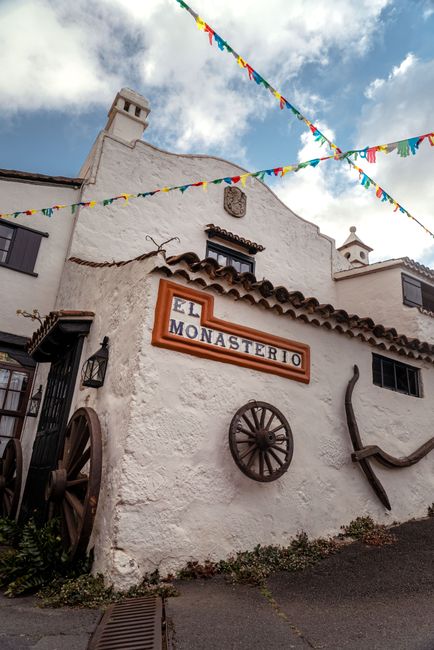
Museo de la Naturaleza y el Hombre
Housed in a restored 18th-century hospital in Santa Cruz, this museum holds the world's largest collection of Guanche mummies — the island's pre-Hispanic indigenous inhabitants — alongside skulls, pottery, and tools documenting their culture before Spanish conquest in 1496. A separate natural history wing covers the volcanic origins and endemic species of the Canary archipelago. Well-labeled in English and Spanish, and one of the few places to understand Tenerife's history before European contact.
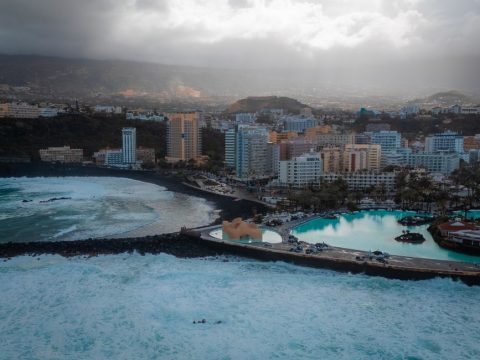
TEA Tenerife Espacio de las Artes
This contemporary art and culture center in Santa Cruz occupies a striking angular building designed by Herzog & de Meuron with Virgilio Gutiérrez, and hosts rotating exhibitions of Canarian and international contemporary art. It also houses the Óscar Domínguez collection, dedicated to the Surrealist painter born in Tenerife, and a public library. The building's cantilevered terraces offer good views over Santa Cruz's historic center.
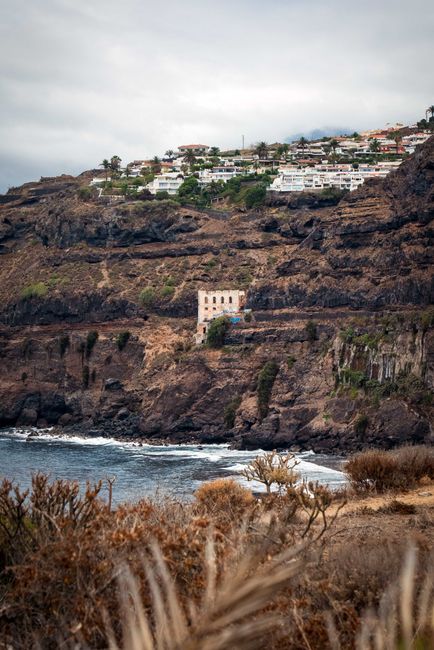
Casa de los Balcones
In the historic town of La Orotava, this 17th-century mansion is renowned for its elaborately carved Canarian wooden balconies, a defining feature of traditional island architecture. The interior functions as a museum and working embroidery workshop, showcasing local crafts and colonial-era furnishings around a plant-filled courtyard. One of the best-preserved examples of the balcony style found throughout the archipelago.
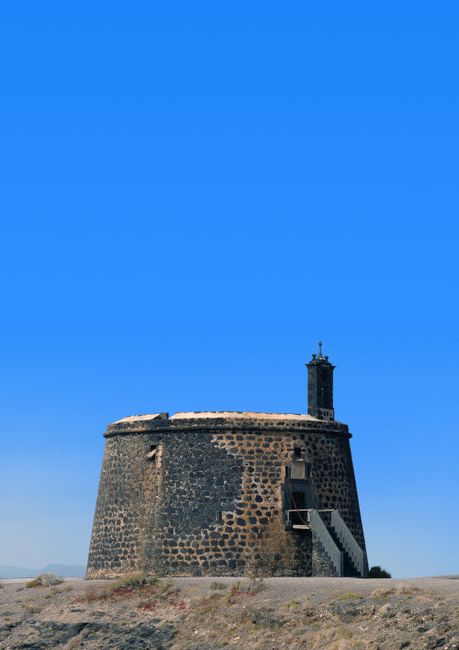
Museo Militar de Almeyda
This military museum in Santa Cruz displays weapons and uniforms spanning centuries, but its centerpiece is El Tigre, the cannon credited with wounding and driving off Admiral Horatio Nelson during his failed 1797 attack on the island — the battle that cost Nelson his right arm. A compact, free stop that adds context to Santa Cruz's colonial-era defenses.
Tips for Museums & Galleries
- The Museo de la Naturaleza y el Hombre is free on Sundays for residents but modestly priced otherwise — worth every euro for the mummy collection
- Combine TEA with a walk through Santa Cruz's nearby Rambla for street art
- Casa de los Balcones pairs well with the rest of La Orotava's historic quarter in one visit
Tenerife's churches trace the island's post-conquest Catholic history, from La Laguna's UNESCO-listed cathedral to the basilica housing the patron saint of the Canary Islands.
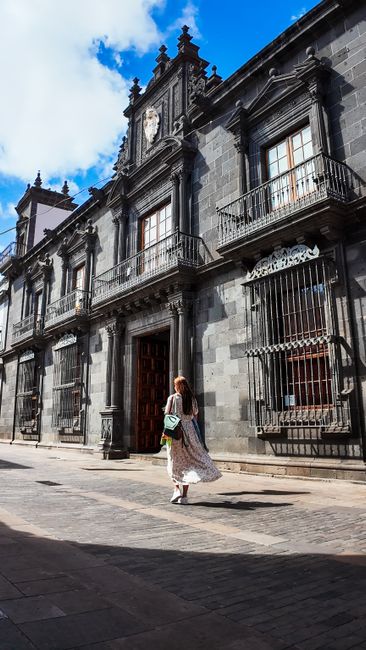
Catedral de San Cristóbal de La Laguna
The seat of the Diocese of Tenerife, this cathedral in the UNESCO-listed old town of La Laguna combines Neoclassical and Gothic Revival elements after centuries of rebuilding following fires and structural collapse. Its interior holds religious artwork spanning the island's colonial period. The cathedral anchors La Laguna's historic center, whose grid-planned streets served as the model for many Latin American colonial cities.
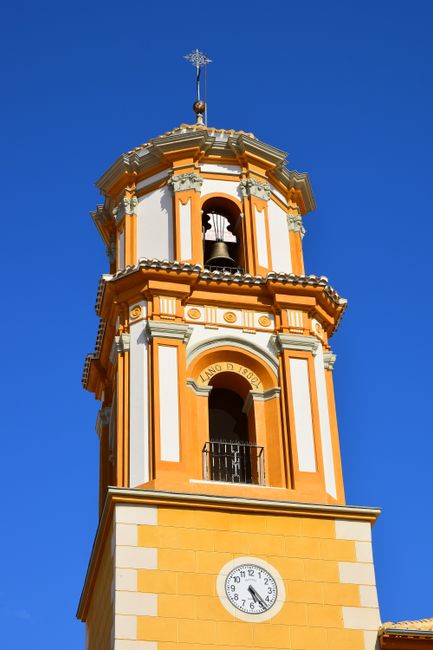
Basílica de Nuestra Señora de Candelaria
This basilica in the coastal town of Candelaria houses a statue of the Virgin of Candelaria, patron saint of the Canary Islands, whose original wooden figure (lost in a storm in 1826) was venerated by both Guanches and Spanish settlers. The plaza in front features bronze statues of the nine Guanche kings (Menceyes) who ruled the island before conquest. A major pilgrimage site, especially around the February 2 feast day.
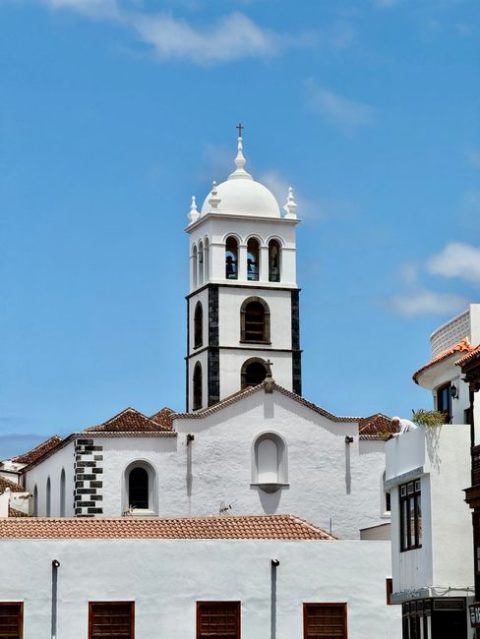
Iglesia de la Concepción
Built in the early 16th century shortly after the Spanish conquest, this is one of the oldest churches in La Laguna's historic center and a key example of Canarian religious architecture, with a distinctive mudéjar-style wooden ceiling. Its bell tower is a recognizable landmark on the old town skyline. The church has been rebuilt several times after fires, blending styles from different centuries.
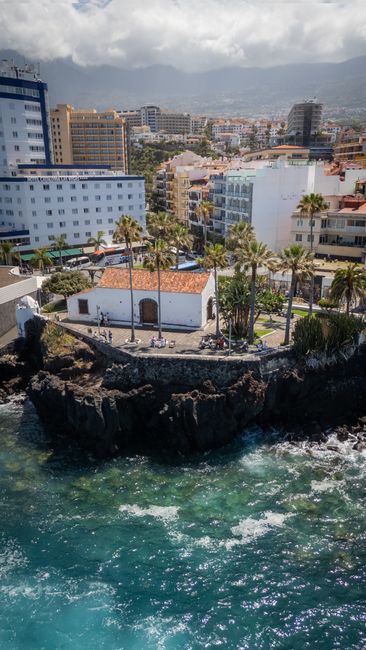
Iglesia de Nuestra Señora de la Peña de Francia
Puerto de la Cruz's main parish church sits on the historic Plaza de la Iglesia in the old fishing quarter, its whitewashed facade and bell tower forming a backdrop to one of the town's liveliest squares. Rebuilt after a fire in the 17th century, it remains an active parish church and a natural stop while exploring the surrounding cobblestone streets and seafront promenade.
Tips for Religious Sites
- Dress modestly (shoulders and knees covered) to enter any of these churches
- Visit the Basílica de Candelaria around the February 2 feast day for a major pilgrimage, but expect large crowds
- La Laguna's cathedral and Iglesia de la Concepción can both be seen on the same historic-center walk
From La Laguna's UNESCO-protected colonial grid to Puerto de la Cruz's palm-shaded plaza, Tenerife's public squares and streets showcase the island's centuries of urban planning.
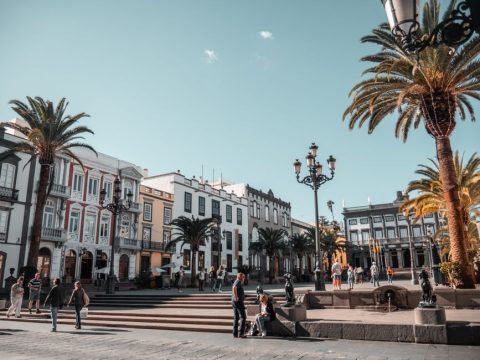
Plaza del Adelantado
The central square of La Laguna's UNESCO World Heritage old town, framed by the 16th-century Convento de Santa Catalina, the town hall, and historic mansions with traditional balconies. As the model for the grid-plan colonial cities later built across the Americas, the square and surrounding streets are a rare, well-preserved example of unfortified Spanish colonial urban design.
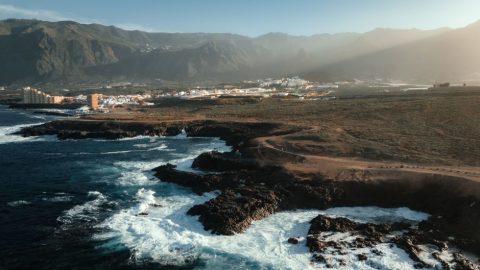
Plaza del Charco
The social heart of Puerto de la Cruz's old town, this palm-shaded square is lined with cafes, restaurants, and colonial-era buildings and takes its name ("pond square") from a tidal pool that once occupied the site. Locals and visitors gather here throughout the day, especially in the evening when outdoor tables fill for tapas and drinks. A good starting point for exploring the town's historic core and nearby harbor.
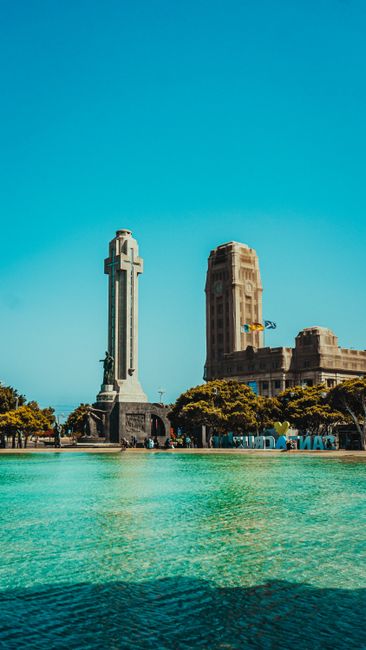
Plaza de España, Santa Cruz
The largest square in the Canary Islands, this waterfront plaza in Santa Cruz was redesigned in 2008 with a reflecting lagoon that doubles as a public plaza floor when drained. It sits at the meeting point of the old town and the modern harbor district, framed by government buildings and the Iglesia de San Francisco. A central gathering point for festivals, concerts, and Carnival events.
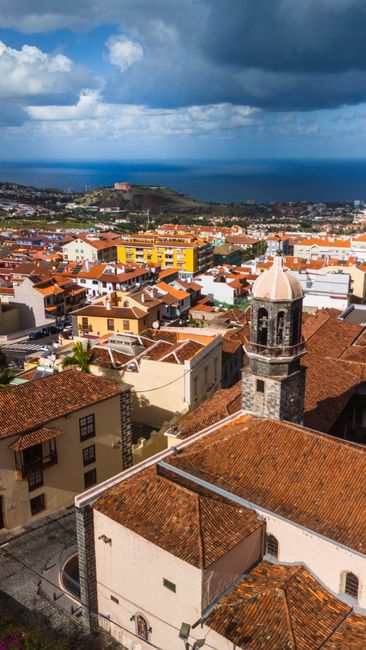
Calle Real del Sol, La Orotava
The main pedestrian street of La Orotava's historic quarter runs past centuries-old mansions with carved wooden balconies, small workshops, and the Casa de los Balcones. The steep, cobbled street is also the centerpiece of the town's famous flower carpets, elaborate volcanic-sand and petal murals created for Corpus Christi each June. Best explored slowly on foot, ideally combined with a coffee stop at one of the small squares along the way.
Tips for Squares & Streets
- Time a visit to Calle Real del Sol around Corpus Christi (May/June) to see the flower carpets — check the exact date yearly
- Plaza del Charco gets liveliest after 7pm when restaurant terraces fill
- La Laguna's old town is best explored on foot; most streets are pedestrianized
Tenerife's towns range from a UNESCO-listed colonial capital to a cliffside fishing village frozen in time, each with a distinct character shaped by the island's volcanic geography.
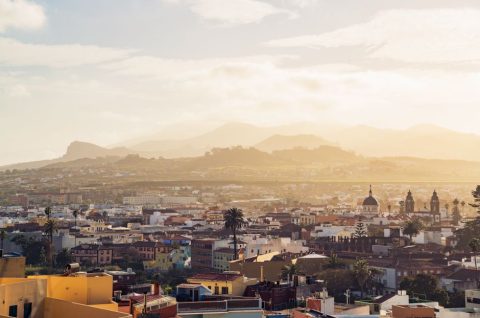
San Cristóbal de La Laguna (Old Town)
Tenerife's former capital and a UNESCO World Heritage Site, La Laguna's unfortified 16th-century grid plan directly inspired the layout of many Spanish colonial cities in the Americas. Its streets are lined with pastel mansions, wooden balconies, and historic churches, and the presence of the University of La Laguna gives the old town a lively student-city atmosphere alongside its colonial architecture. Far less touristy than the coastal resorts, with excellent tapas bars around Calle Herradores.
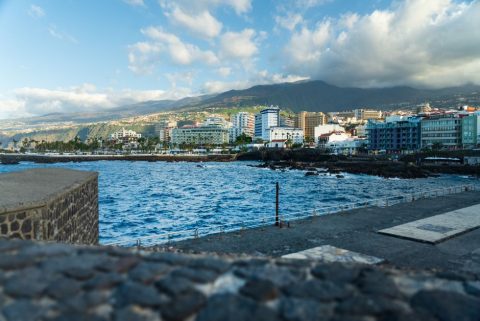
Puerto de la Cruz Old Town
Once Tenerife's main port and the island's original tourist resort, this north-coast town retains a historic core of narrow streets, black-sand beaches, and 19th-century architecture, distinct from the newer high-rise resorts of the south. Attractions include Plaza del Charco, the Lago Martiánez seawater lido designed by César Manrique, and a lively harbor. Its cooler, cloudier microclimate contrasts sharply with the sunnier south coast.
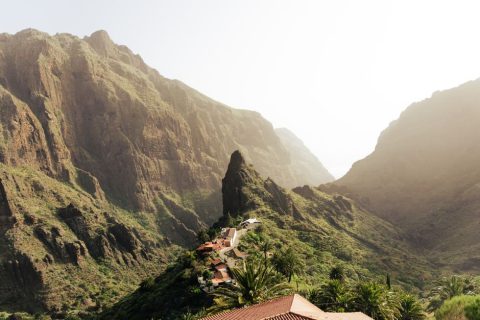
Masca Village
Tucked into a dramatic gorge in the Teno mountains, this tiny former farming hamlet is reachable only by a winding cliffside road and has become one of Tenerife's most photographed villages. It's the starting point for the famous Masca Gorge hike down to a secluded cove, though the trail has periodic closures for safety — check status before visiting. Even without hiking, the drive itself and the viewpoint above the village are worthwhile.
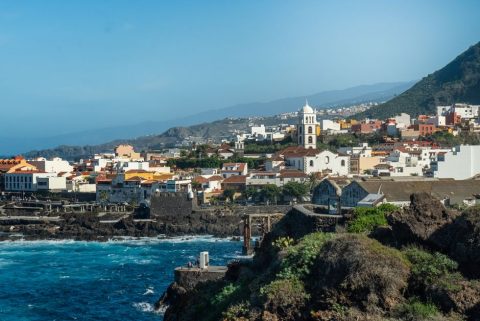
Garachico
This small north-coast town was Tenerife's principal port until a 1706 volcanic eruption buried its harbor in lava, forcing trade to shift to Santa Cruz. The lava flow left behind natural swimming pools — El Caletón — now a popular spot for a sea dip amid black volcanic rock. Cobbled streets, a restored castle, and colonial-era buildings give Garachico a quieter, more authentic feel than the resort towns.
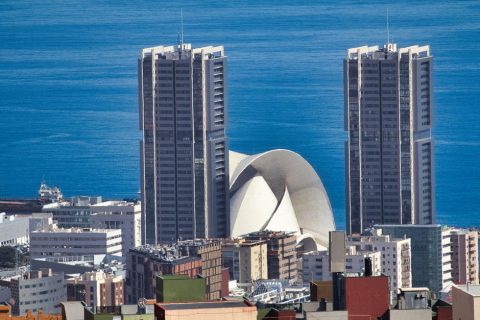
Santa Cruz de Tenerife City Center
The island's capital blends a compact historic core around Plaza de la Candelaria with the modern harborfront home to the Auditorio de Tenerife. It hosts the island's famous Carnival, rivaled in scale only by Rio de Janeiro's, and functions as a working city rather than a resort — a useful contrast to the tourist-focused south. The Rambla de Santa Cruz offers a shaded, tree-lined walk past public art.
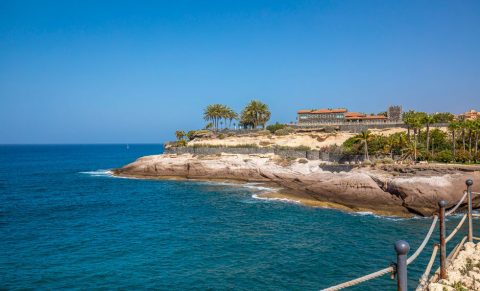
Costa Adeje
The island's most upscale resort area, on the sunny southwest coast, combines manicured beaches, luxury hotels, and a promenade lined with restaurants and shops. It's the main base for whale-watching excursions and sits close to Siam Park. Less historic than the northern towns, but the most reliable spot for guaranteed sun and family-friendly infrastructure.
Tips for Neighborhoods & Districts
- La Laguna is a short tram ride from Santa Cruz — easy to combine both in one day
- Check trail status for the Masca Gorge hike before driving out, as it closes periodically for rockfall risk
- Garachico's El Caletón pools are calmest early morning before day-trippers arrive
Tenerife's green spaces range from a laurel-forest UNESCO Biosphere Reserve to century-old botanical gardens established to acclimatize tropical plants for the Spanish crown.
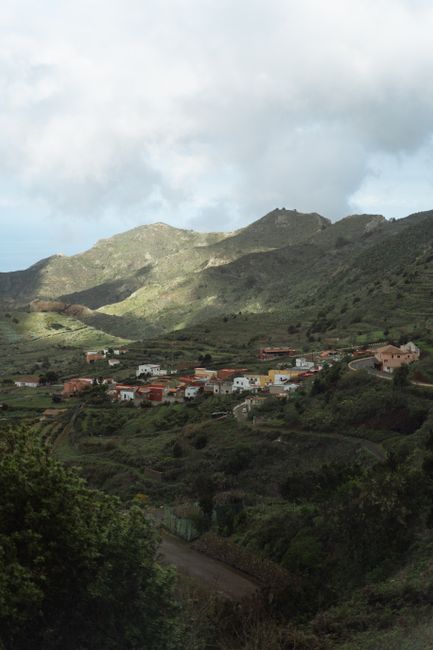
Anaga Rural Park
This mountainous UNESCO Biosphere Reserve in Tenerife's northeast corner protects one of the world's oldest surviving laurel forests (laurisilva), a subtropical ecosystem dating back millions of years. A network of hiking trails winds through misty ridges, past hidden villages like Taganana and Chinamada, with viewpoints overlooking the Atlantic on both coasts. A completely different landscape from the sunny south — bring layers, as cloud cover and drizzle are common.
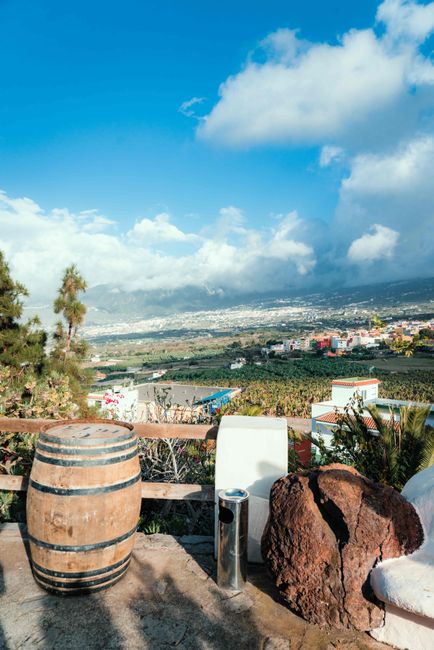
Jardín Botánico de Puerto de la Cruz
Founded in 1788 by royal decree to acclimatize tropical plants from the Americas before shipping them to mainland Spain, this botanical garden holds an impressive collection of towering ficus trees, orchids, and tropical species from around the world. Its compact size makes it an easy stop within Puerto de la Cruz, offering shaded paths that provide relief from the coastal sun.
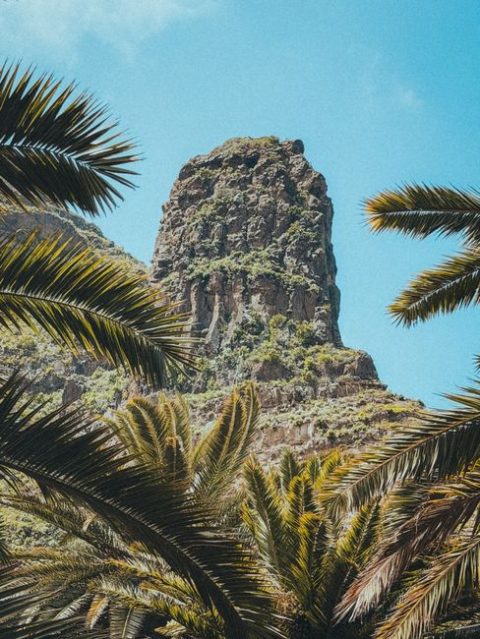
Barranco del Infierno
This protected ravine near Adeje offers one of the south coast's few accessible hikes through a green, water-carved canyon, ending at a small waterfall (seasonal, often dry in summer). It's a striking contrast to the arid, sunbaked landscape typical of southern Tenerife. Access requires an advance-booked permit and guided or self-guided timed entry, as visitor numbers are capped to protect the ecosystem.
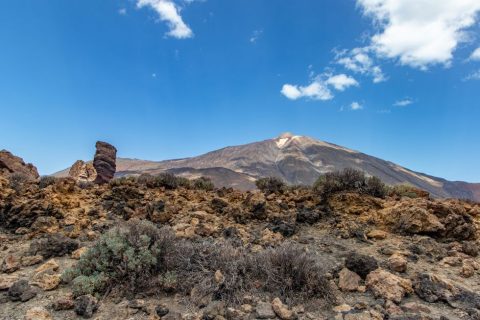
Parque García Sanabria
Santa Cruz's principal urban park spans several city blocks with manicured gardens, fountains, and modern sculpture displays, including works by Canarian artists. It's a favorite spot for locals to escape the summer heat under mature trees, and hosts seasonal flower displays and Christmas illuminations. A pleasant, shaded contrast to the busy streets nearby.
Tips for Parks & Gardens
- Book Barranco del Infierno tickets online at least a few days ahead — daily visitor numbers are capped
- Bring waterproof layers for Anaga even on a sunny day at the coast, as the mountains generate their own weather
- Jardín Botánico is easily combined with a Puerto de la Cruz old town visit
Tenerife's volcanic origin gives its coastline dramatic variety, from imported golden sand in the north to naturally black volcanic beaches and resort-lined coves in the south.
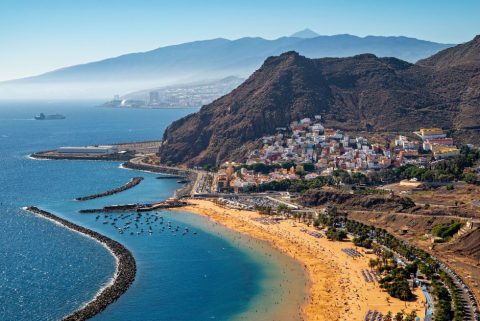
Playa de las Teresitas
Just north of Santa Cruz, this is Tenerife's most famous beach, its golden Sahara sand — imported by ship in the 1970s — set against the island's naturally darker volcanic sand elsewhere. A breakwater keeps the water calm, making it popular with families and locals rather than tourists based in the south. Backed by palm trees and small seafood restaurants in the fishing village of San Andrés.
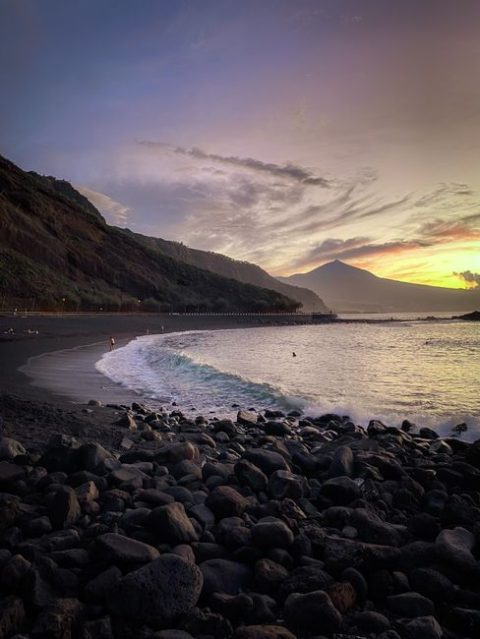
Playa Jardín
Designed by Canarian artist César Manrique, this Puerto de la Cruz beach combines natural black volcanic sand with landscaped gardens and tropical plants along the shore. Its position on the more exposed north coast means bigger, more consistent waves than southern beaches — popular with bodyboarders and swimmers who don't mind cooler water. A scenic and less crowded alternative to the south's resort beaches.
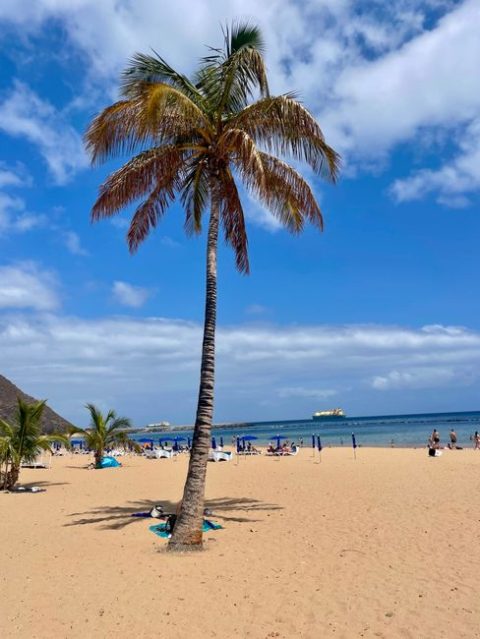
Playa del Duque
The flagship beach of Costa Adeje, lined with five-star hotels and imported golden sand, offering calm, family-friendly water and full beach services. It's the most polished and upscale beach on the island, popular for its consistent sunshine and easy access to restaurants and shops directly behind the shore. Arrive early in high season to secure a spot on sun loungers.
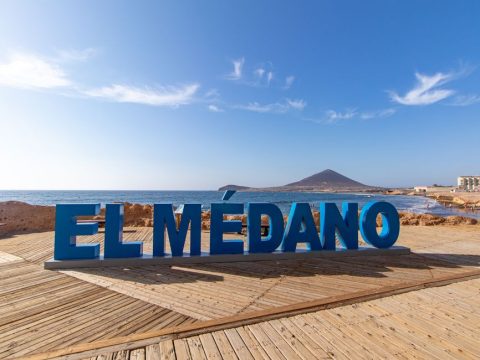
El Médano
This laid-back southeastern town is Tenerife's windsurfing and kitesurfing capital, thanks to reliable Atlantic trade winds funneling through the nearby Montaña Roja headland. Long stretches of natural sand and a much less developed, more bohemian atmosphere than Costa Adeje make it popular with a younger, sportier crowd. Montaña Roja itself offers an easy volcanic-cone hike with coastal views.
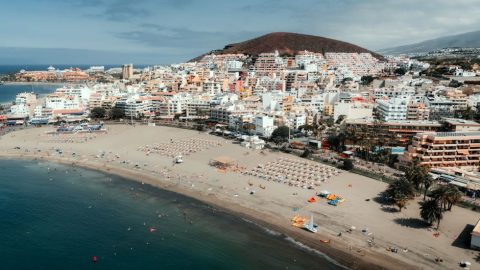
Los Cristianos Beach
A calm, sheltered bay beach in the heart of a working ferry port town, popular with families for its gentle waves and easy access to shops, restaurants, and the harbor where ferries depart for La Gomera. Less glamorous than neighboring Costa Adeje but more affordable and with a genuine, lived-in town atmosphere behind the promenade.
Tips for Beaches & Coastal Areas
- Playa de las Teresitas is best visited on weekdays — weekends draw large local crowds
- El Médano's wind picks up in the afternoon; mornings are calmer for swimming
- South-coast beaches (Duque, Cristianos) stay warmer and sunnier year-round than north-coast ones
Tenerife's volcanic terrain and surrounding Atlantic waters support activities from world-class theme parks to some of Europe's most reliable whale-watching grounds.
Siam Park
Repeatedly ranked among the world's best water parks, this Thai-themed complex in Costa Adeje features extreme slides like the Tower of Power alongside a wave pool, lazy river, and a swim-with-sharks aquarium tunnel. Landscaped with imported Thai architecture and tropical plants, it's built for a full day out rather than a quick visit. Extremely popular in summer — arrive at opening to minimize slide queues.
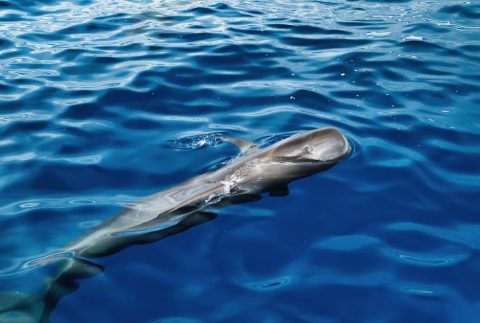
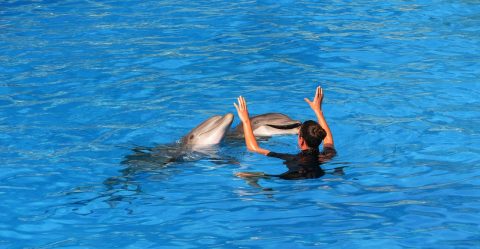
Whale and Dolphin Watching, Costa Adeje
The waters off southwest Tenerife host a year-round resident pod of pilot whales, plus regular dolphin sightings, making this one of the most reliable whale-watching destinations in Europe. Boat trips depart from Los Cristianos and Puerto Colón, ranging from large catamarans to smaller sailing boats with underwater viewing windows. Choose an operator certified by the local marine protection code to minimize disturbance to the animals.
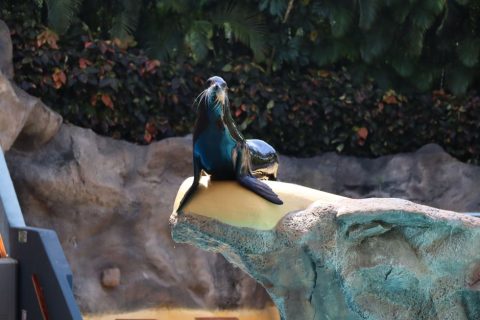
Loro Parque
One of Europe's most-visited zoos, in Puerto de la Cruz, known for its parrot collection (the largest in the world), orcas, dolphins, gorillas, and a large penguin habitat with real snowfall. The park funds conservation and breeding programs, though the orca and dolphin shows remain a point of ongoing debate among animal welfare organizations. Expect a full day to see everything.
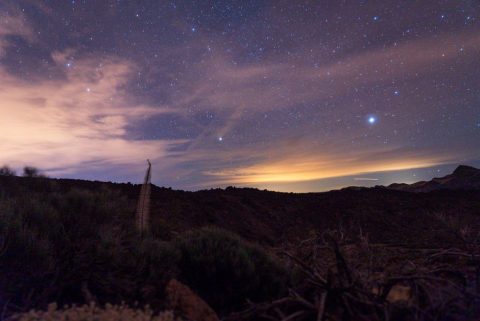
Teide Stargazing Tour
Teide National Park's high altitude, dry air, and protected dark-sky status (a Starlight Reserve) make it one of the best stargazing locations in the world, used by professional observatories on the island. Guided evening tours combine sunset views from above the cloud line with telescope-assisted stargazing and astrophotography tips. Warm clothing is essential even in summer, as temperatures drop sharply after dark.
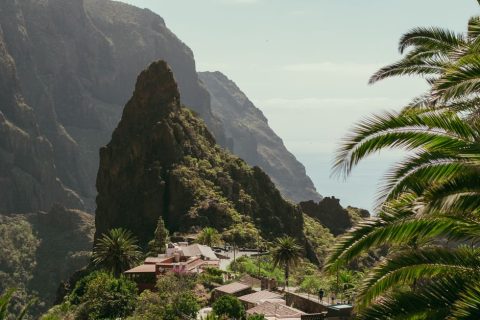
Masca Gorge Hike
One of Tenerife's most rewarding hikes descends through the dramatic Barranco de Masca gorge from the village down to a secluded pebble cove, typically finishing with a short boat pickup back to Los Gigantes. The trail involves scrambling over rocks and stream crossings and is only open with permits due to rockfall risk — check current access status before planning, as closures are common.
Tips for Tours & Activities
- Buy Siam Park tickets online in advance — daily capacity limits sell out in peak summer
- Book whale-watching operators that follow the official marine mammal protection code (look for the accreditation sticker)
- Check Barranco de Masca trail status directly with the Teno Rural Park office before hiking, as closures happen with little notice
Ferries from Tenerife's southern ports reach two of the Canary Islands' quieter, greener neighbors within an hour, offering an easy escape from the main island's resort crowds.
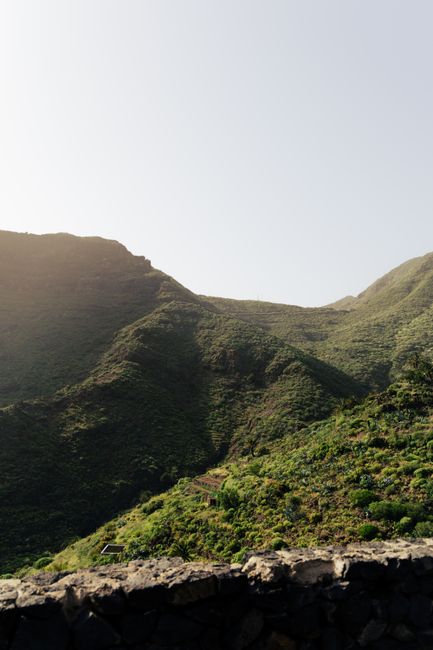
La Gomera
A 50-minute high-speed ferry from Los Cristianos reaches this small, mountainous island, dominated by Garajonay National Park's UNESCO-listed laurel forest. Highlights include the whistled language Silbo Gomero (a UNESCO Intangible Heritage practice, still taught in schools), the colorful town of San Sebastián de La Gomera where Columbus made his final provisioning stop before crossing the Atlantic, and dramatic mountain hiking trails.
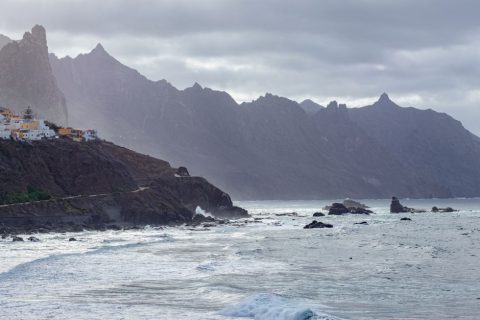
Anaga & La Laguna Day Trip
Combining Tenerife's UNESCO Biosphere laurel forest with its UNESCO World Heritage colonial city makes an efficient day out from Santa Cruz: a morning hike or scenic drive through Anaga's ridges and villages, followed by an afternoon exploring La Laguna's historic center and tapas bars. Both are reachable without a car via bus and Tenerife's tram network.
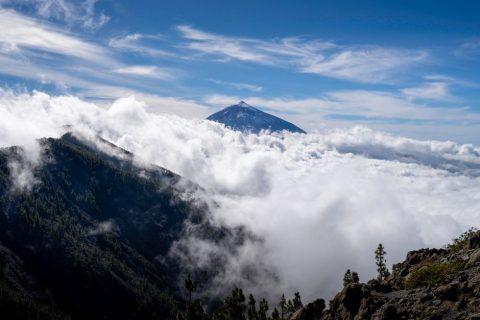
La Palma
Reachable by a short flight or longer ferry from Tenerife, this island — nicknamed "La Isla Bonita" — is known for its lush green landscape, the vast Caldera de Taburiente crater, and some of the world's clearest night skies, home to major international observatories. The 2021 Cumbre Vieja eruption reshaped part of its southern coastline, and its aftermath is now part of the island's story for visitors.
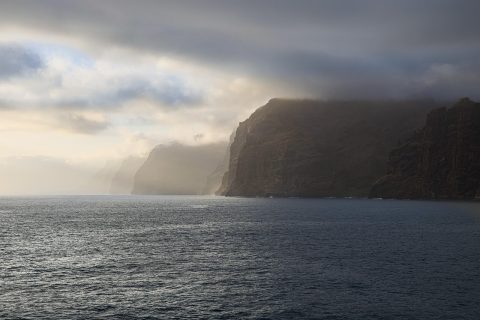
Icod de los Vinos & Garachico Combined Trip
These two north-coast towns pair naturally into a half-day loop from Puerto de la Cruz: the Drago Milenario in Icod de los Vinos, followed by Garachico's lava-formed natural pools and colonial architecture. Both are easily reached by rental car or local bus (Titsa line 363), and the route passes through banana plantations characteristic of the island's fertile north.
Tips for Day Trips & Excursions
- Book La Gomera ferry tickets online ahead in summer — the fast ferry fills up on peak days
- A rental car makes the Icod/Garachico loop far more flexible than the infrequent Titsa bus schedule
- La Palma is best as an overnight trip if time allows — the caldera and observatory areas deserve more than a few hours
Tenerife has no centuries-old German-style market square, but the island still turns festive: Santa Cruz de Tenerife strings its main avenues with lights, sets up a temporary ice rink, and hosts craft stalls, while the UNESCO old town of La Laguna runs a traditional artisan Christmas market around its historic plaza.
Add in Puerto de la Cruz's famously lively New Year's Eve street party and the mild Atlantic winter, and December here feels more like a warm-weather festive stroll than a snow-globe market — a different but genuine seasonal tradition.
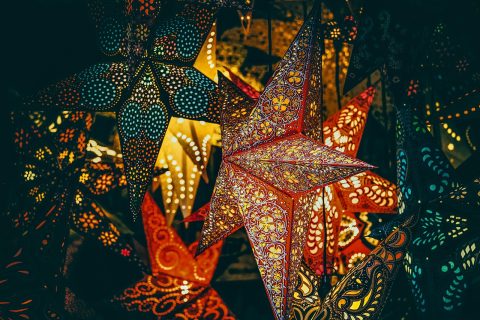
Plaza de España Christmas Market & Ice Rink (Santa Cruz)
Santa Cruz de Tenerife's main civic square becomes the islands biggest festive hub each winter, typically running from late November through 6 January 2027 (Three Kings Day). A temporary pista de hielo (ice rink) is installed beside the lake in Plaza de España, alongside wooden stalls selling handicrafts, roasted chestnuts, and mulled wine.
The surrounding streets, especially Calle Castillo, are strung with elaborate illuminations that switch on with a ceremony in late November. Its a low-key, family-oriented scene rather than a mainland European market — expect Canarian sunshine by day and a lit-up square by night.
Exact 2026 dates are confirmed closer to the season, so check the Santa Cruz town hall listings before visiting.
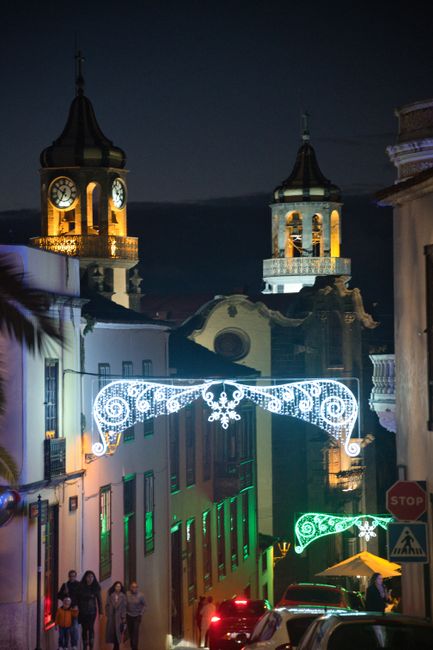
La Laguna Christmas Market (Plaza del Adelantado)
San Cristóbal de La Laguna, Tenerife's UNESCO World Heritage colonial town, hosts a traditional mercadillo navideño around Plaza del Adelantado and the adjoining cobbled streets each December. Wooden stalls sell local crafts, ceramics, honey, and Canarian sweets like truchas de batata (sweet potato pastries), set against colonial balconies and churches.
The market usually runs on weekends through the December 2026 season, often paired with a nativity scene display and choir performances in the square. Its smaller and more local than the Santa Cruz market, drawing residents rather than tour groups, which makes it a good stop for an authentic slice of island Christmas.
Combine with a wander through La Laguna's historic center, an easy tram ride from Santa Cruz.
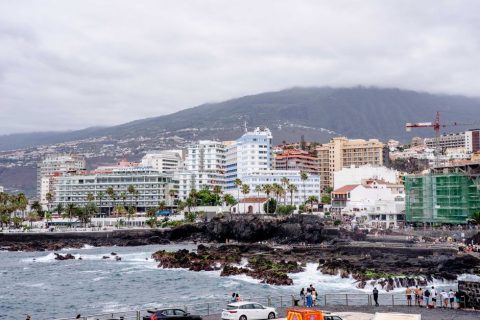
Puerto de la Cruz Christmas Market (Plaza del Charco)
The resort town of Puerto de la Cruz decorates its palm-lined Plaza del Charco with lights and a compact market of craft and food stalls through December, giving visitors staying on the island's north coast a festive option without traveling to Santa Cruz.
The town is best known, though, for its New Year's Eve celebrations, considered among the liveliest in Spain, with fireworks over the seafront Lago Martiánez and crowds filling the plazas from Christmas through early January 2027.
If visiting in late December 2026, expect a relaxed run-up to New Year rather than a dense market — book accommodation well ahead if staying for 31 December itself, as the town fills up fast.
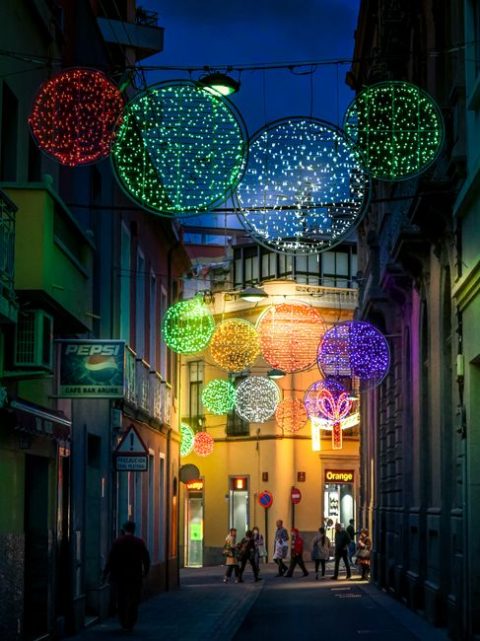
Calle Castillo Christmas Lights (Santa Cruz)
Santa Cruz de Tenerife's main shopping street, Calle Castillo, and the nearby Plaza de la Candelaria are draped in elaborate illuminations for the season, switched on in a public ceremony in late November and left running nightly through early January 2027.
Its a free, no-booking activity that pairs naturally with the Plaza de España market a short walk away — locals treat an evening stroll under the lights, followed by hot chocolate or churros at a nearby café, as the classic Tenerife way to mark the season.
Best visited after sunset, around 7-9pm, when the display and street life are both at their busiest.
Tips for Christmas Market
- Tenerife's Christmas season is mild — light layers for daytime, a jacket for evenings by the coast
- Exact market dates shift year to year; confirm on the Santa Cruz or Puerto de la Cruz town hall websites closer to December 2026
- Puerto de la Cruz New Year's Eve draws huge crowds — book hotels and restaurant tables well in advance if visiting around 31 December
- La Laguna's market is easiest to combine with a daytime visit to the historic UNESCO old town via tram from Santa Cruz
- Carnival, not Christmas, is Tenerife's biggest festival — don't expect German-style market scale, this is a lower-key, sunnier version of the tradition
Tenerife packs plenty of family fun beyond its famous beaches and volcano, with wildlife parks, hands-on museums, and playgrounds that keep young travelers entertained. These spots balance education with pure fun, making them easy wins for a day when the kids need a break from sightseeing.
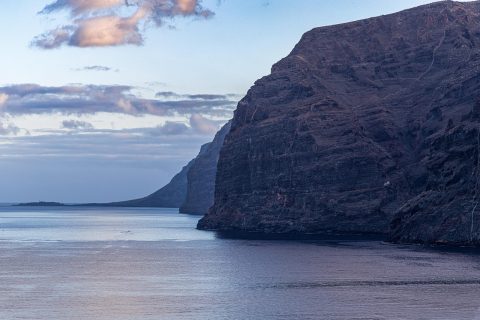
Aqualand Costa Adeje
A splash-happy water park with slides for every age, from gentle toddler pools to the thrilling Kamikaze drop for braver kids and teens. Younger visitors love the dedicated childrens area with mini slides and fountains, while the on-site dolphinarium adds an extra dose of wonder to the day. Lifeguards are posted throughout, and sunbeds line the pool decks for parents who want to relax while the little ones splash around.
Food stalls and shaded picnic spots make it easy to turn this into a full-day outing without leaving the park. Arrive early in high season, as queues for the popular slides build up quickly by midday, and the car park can fill fast during summer holidays.
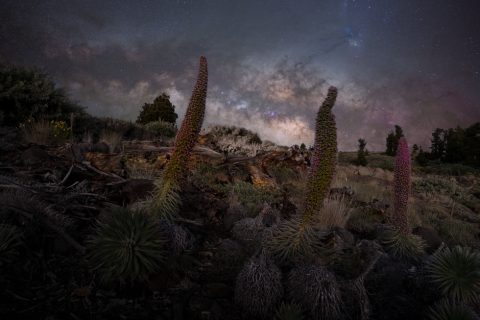
Museo de la Ciencia y el Cosmos
An interactive science museum in La Laguna where kids can push buttons, spin gears, and run experiments instead of just reading labels behind glass. Exhibits cover astronomy, physics, and the human body, with a planetarium that turns a look at Tenerifes famously clear night skies into a guided show. Staff regularly run live demonstrations that turn abstract concepts like gravity or optical illusions into something a child can actually see and touch.
Its an ideal rainy-day or midday-heat option, offering a cool, air-conditioned break from beach and hiking days. Signage is mostly in Spanish, but the hands-on nature of the exhibits means language rarely gets in the way of the fun, and most displays are intuitive enough for children to explore on their own.
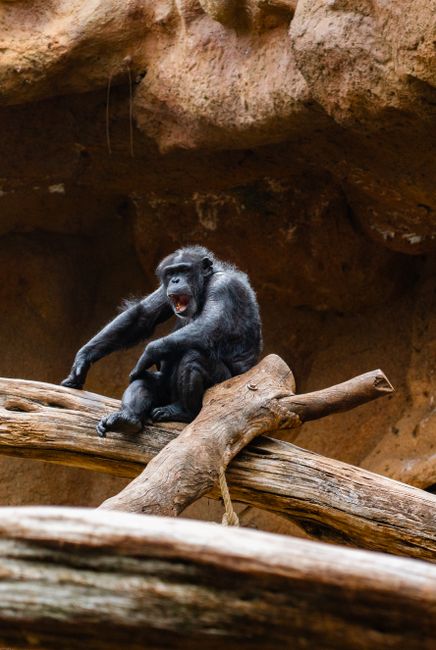
Monkey Park Tenerife
A small, family-run animal park near Los Cristianos where kids can walk among free-roaming lemurs, feed friendly goats, and get close to squirrel monkeys in a relaxed, low-crowd setting. Unlike the citys bigger animal attractions, this spot feels intimate and unhurried, giving children real one-on-one moments with the animals rather than a quick glance from behind a barrier. Guided visits usually include a short talk about the species on site and their conservation, keeping things educational without feeling like a lecture.
Its compact size makes it manageable for toddlers and easy to combine with a beach morning in Los Cristianos or Costa Adeje. Bring a hat and water, as much of the walkway is outdoors and shade is limited during peak afternoon sun.
Camel Park Tenerife
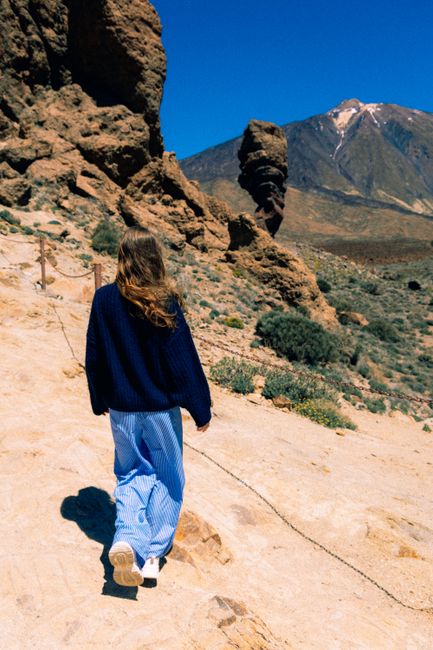
A hands-on farm park near Chayofa where children can ride camels, meet donkeys and ponies, and explore small animal enclosures with rabbits and birds. The camel rides are the highlight, following a gentle looped trail with a guide leading each animal, making it approachable even for nervous first-timers. Beyond the rides, the park has a petting area where kids can feed and touch the animals directly under staff supervision.
A small on-site cafe and shaded seating make it comfortable to linger for a couple of hours rather than rushing through. Its especially popular with families staying in the south of the island looking for something different from beach days, and mornings tend to be quieter and cooler for both kids and animals.
Tips for With Kids
- Book Aqualand tickets online in advance during July and August to skip the entrance queue.
- Pack swimsuits and a change of clothes even for museum days, since many family stops are near beaches or pools.
- Animal parks like Monkey Park and Camel Park get hot fast; visit in the morning and bring sun hats and water.
- The Museo de la Ciencia y el Cosmos planetarium shows sell out on weekends, so grab tickets soon after arriving.
Tenerife keeps a lively calendar year-round, from the world-famous carnival street parties to summer music festivals and harvest-season wine fairs. This section rounds up the islands recurring 2026 events so visitors can time their trip around the local celebrations.
Santa Cruz de Tenerife Carnival
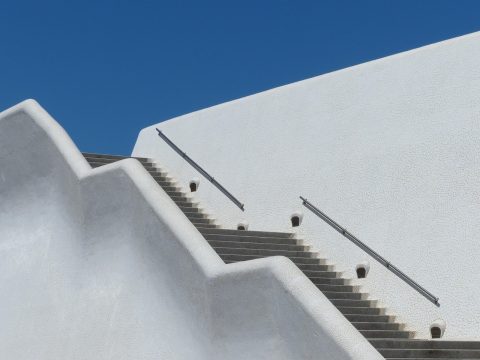
One of the largest carnivals in the world, rivaling Rio in scale and color, takes over the streets of Santa Cruz de Tenerife from 13 February to 1 March 2026. Expect the election of the Carnival Queen, the opening parade, the famous Coso procession with elaborate costumed groups, and the Burial of the Sardine finale. Live music stages, all-night street parties, and murga singing competitions fill the city center for over two weeks. Locals dress up nightly regardless of the official schedule, so the atmosphere spills well beyond the main events. Book accommodation months in advance, as hotels fill quickly during this period. Free to attend, though grandstand seating for the main parade can be purchased. This is the islands single biggest cultural happening and a must for anyone visiting in late winter.
Corpus Christi Flower Carpets in La Orotava
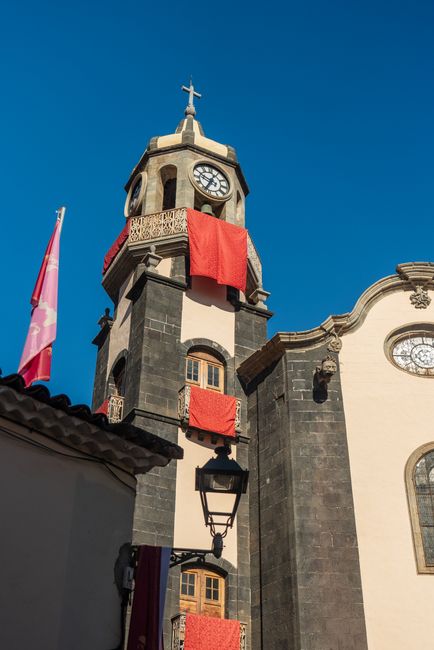
Around 4-7 June 2026, the town of La Orotava transforms its streets and central square into intricate carpets made from colored volcanic sand and flower petals, created by local artisans working through the night before the religious procession passes over them. The most elaborate design, laid in front of the town hall, depicts a famous painting recreated entirely in sand each year. Crowds gather early morning to view the finished carpets before the Corpus Christi procession begins. Free walking routes let visitors admire the artwork up close, and the surrounding Canarian-style balconies and cobbled lanes add to the charm. Arrive before sunrise for the best views, as the carpets are damaged by foot traffic once the procession starts. A unique blend of religious tradition and folk art found nowhere else on the island.

Tenerife New Years Eve Fireworks at Plaza de Espana
On 31 December 2026, Santa Cruz de Tenerifes Plaza de Espana becomes the islands central gathering point for New Years Eve, with a large fireworks display over the harbor at midnight considered one of the best in Spain. Crowds gather from early evening for live music and DJ sets on an outdoor stage, following the Spanish tradition of eating twelve grapes with the midnight bell chimes. The nearby Auditorio de Tenerife, with its distinctive wave-shaped roof, provides a striking backdrop for photos during the display. Restaurants and bars around the plaza and Santa Cruz port stay open late, and many hotels offer package deals with rooftop or harbor views. Arrive at least an hour early to secure a good viewing spot near the water. A festive, high-energy way to ring in 2027 on the island.
Puerto de la Cruz Summer Music Nights
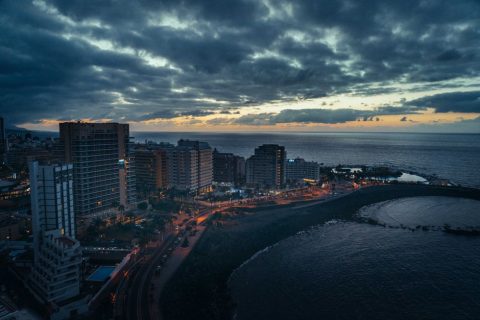
Throughout July and August 2026, the seafront squares of Puerto de la Cruz host a free open-air concert series featuring local Canarian folk bands, Latin jazz combos, and touring pop acts. Concerts typically run Friday and Saturday evenings from around 9pm, drawing both residents and holidaymakers who set up along the Lago Martianez promenade. The lineup mixes traditional timple guitar performances with contemporary Spanish and international acts, giving a broad taste of island culture. Food trucks and local bars stay open late during event nights, and the sea breeze makes for pleasant evening listening after the daytime heat. No tickets are needed for most performances, though a handful of headline nights may require advance reservation. A relaxed, family-friendly way to experience Tenerifes summer social scene.
Icod de los Vinos Grape Harvest Festival
In late August 2026 (around 22-30 August), the wine-producing town of Icod de los Vinos celebrates the grape harvest with traditional foot-treading of grapes, tastings of young local wines, and folk dancing in the main plaza. Vineyards on the volcanic slopes near Mount Teide open for guided visits, explaining the unusual basket-trained vine method unique to the island. Stalls sell local cheeses, gofio-based snacks, and the sweet malvasia wines Tenerife is historically known for. Evening concerts and a costumed harvest procession round out the week, drawing a mostly local crowd rather than mass tourism. Pair a visit with the nearby Drago Milenario, one of the oldest dragon trees on the island. A genuine taste of rural Tenerife life away from the coastal resorts.
Tips for Events Calendar
- Book flights and hotels for Carnival weeks (mid-February to early March) as far ahead as possible, as prices spike island-wide.
- Many smaller town festivals follow the Catholic calendar, so exact dates shift slightly year to year — confirm locally close to your travel dates.
- Free events like the flower carpets and fireworks draw huge crowds; arrive early for good viewing positions.
- Combine harvest-season visits with a drive up to Mount Teide, since late summer offers clear skies for stargazing after daytime festivities.
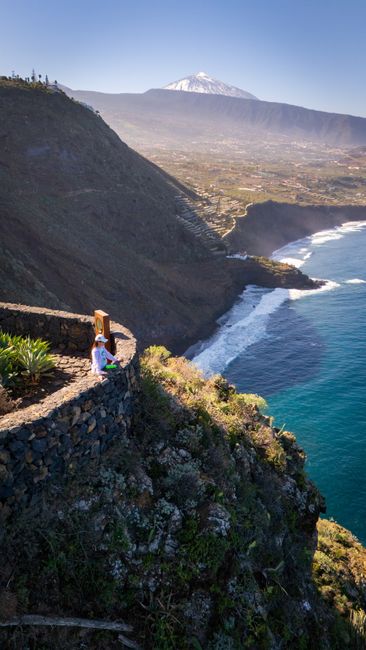
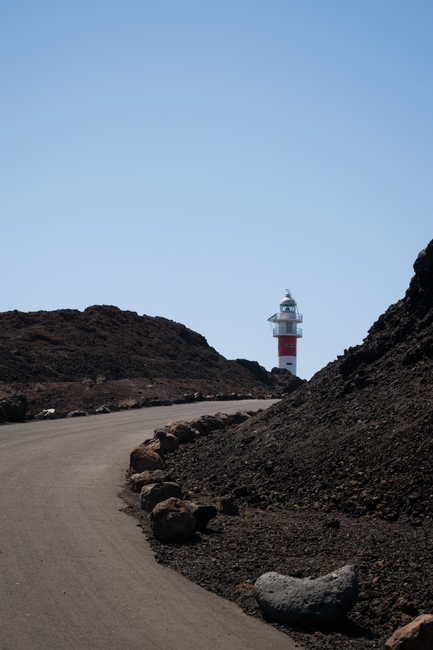
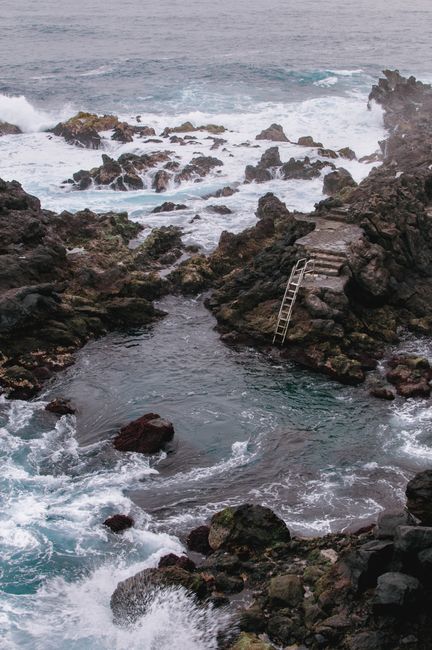
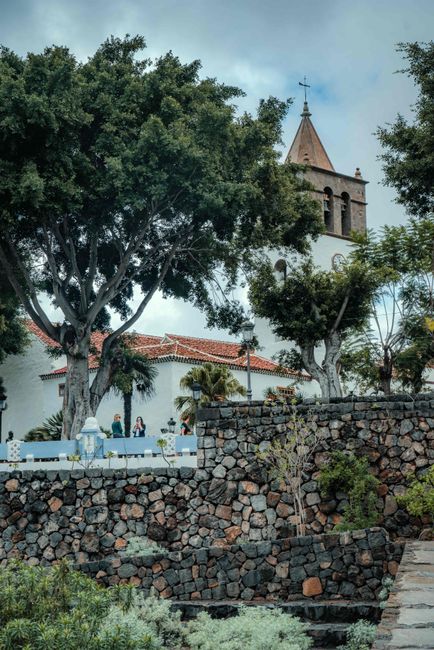
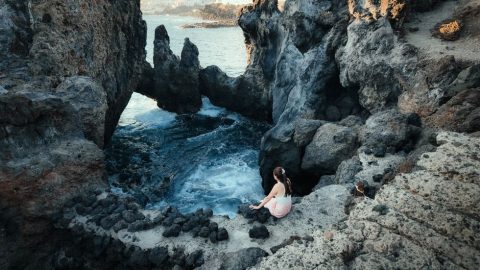
When the sun drops behind the Atlantic, Tenerife shifts gears into one of the liveliest after-dark scenes in the Canary Islands. The south coast around Playa de las Américas and Costa Adeje is packed with clubs, bar strips, and beachfront lounges, while low-key live-music spots and sunset terraces suit those after a mellower evening.
Veronicas Strip
The undisputed heart of Tenerife nightlife, this compact strip in Playa de las Américas packs dozens of bars, karaoke rooms, and clubs into a single pedestrian stretch. It gets going late, usually after midnight, and stays loud until sunrise, with promoters handing out drink deals and touts steering visitors toward happy hours. Expect a young, party-focused crowd, cover bands, and a mix of British pub-style venues alongside Latin and electronic dance floors. It is not a place for a quiet drink, but if bar-hopping with a festive, slightly chaotic energy is the goal, nowhere on the island matches it. Go with a group, keep valuables secure, and pace the night since options are endless within a few hundred meters.
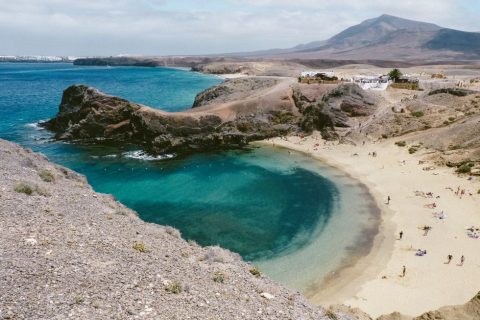
Papagayo Beach Club
Perched right on the sand in Costa Adeje, this beach club turns sunset into a full production, with resident DJs, fire dancers, and a cocktail menu built around Caribbean and Mediterranean flavors. Daytime brings sunbeds and a relaxed lounge vibe; by early evening the energy climbs as the terrace fills for the golden-hour show over the ocean. It draws a mixed international crowd, from couples on a romantic night out to groups looking for a stylish start before heading to the clubs. Tables near the rail book up fast for sunset, so arriving early or reserving ahead is worth it. The setting alone, with Los Gigantes silhouetted in the distance, makes it one of the most photogenic nightlife spots on the south coast.
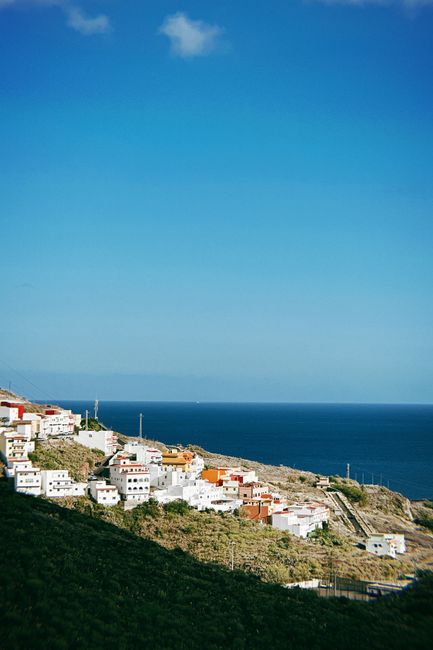
Tramps Discoteca
A long-running fixture of the south coast club scene, Tramps has been packing dance floors in Playa de las Américas for decades with a mix of commercial house, Latin nights, and themed foam or retro parties. The multi-room layout lets different music styles run at once, so groups with mixed tastes can split up and regroup later. It is popular with both holidaymakers and local twenty-somethings, and queues can form on weekend nights, especially when a guest DJ is billed. Drinks lean toward the affordable side compared with beach clubs, making it a solid option for a longer night out. Doors typically open late and the crowd builds steadily toward the early hours, so it rewards patience over an early arrival.
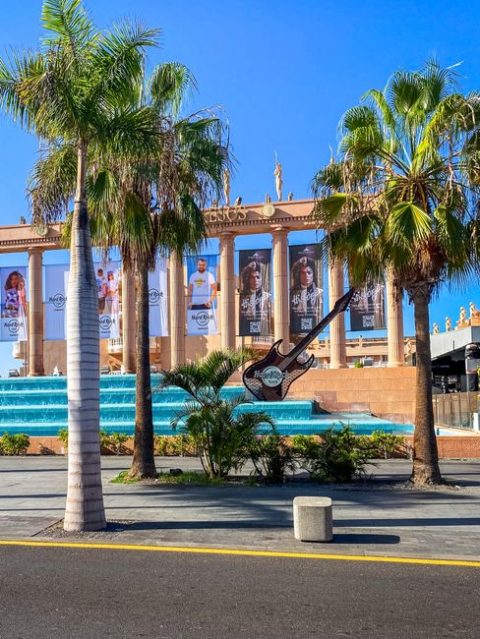
Hard Rock Cafe Tenerife
Set within the Plaza del Duque area of Costa Adeje, this branch of the global chain doubles as one of the island's more reliable live-music venues, hosting cover bands and tribute acts alongside its rock memorabilia-lined dining room. It suits visitors who want a night out with actual musicianship rather than DJ sets, and the bar stays open later than the kitchen for anyone lingering over cocktails. Families and older couples mix comfortably with younger crowds here, since the atmosphere stays a notch calmer than the strip clubs nearby. It is a dependable stop before or after a bigger night out, offering solid bar food and a familiar, easy-going setting.
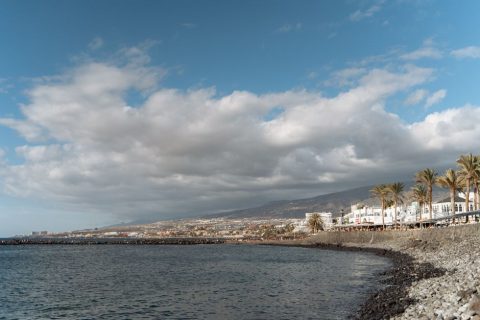
Cafe del Mar Tenerife
Modeled on the famous Ibiza original, this oceanfront terrace in Costa Adeje is built entirely around the sunset ritual, pairing chillout and deep-house playlists with wide sea views. It works well as a slower alternative to the strip's high-volume clubs, drawing couples and groups who want good cocktails and a scenic backdrop rather than a packed dance floor. The venue often extends into evening sets with live saxophone or percussion layered over the DJ, and the crowd tends to skew a little older and more relaxed. Arriving an hour before sunset secures the best seating, and the vibe stays sociable without tipping into the rowdier energy found further along the coast.
Tips for Nightlife & Entertainment
- Playa de las Américas and Costa Adeje form the main nightlife hub; most venues are walkable from each other.
- Clubs and the Veronicas strip rarely fill up before midnight, with peak energy from 1am to 4am.
- Beach clubs and sunset lounges book tables fast in summer, so reserve ahead for prime sunset slots.
- Stick to licensed taxis or ride apps late at night rather than walking unfamiliar routes alone.
Real, highly-rated Restaurants in Tenerife, sourced from Google Places (rating above 4★).
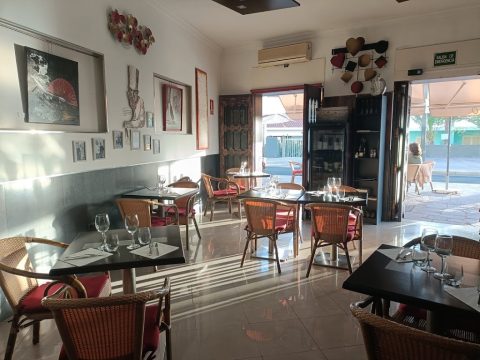
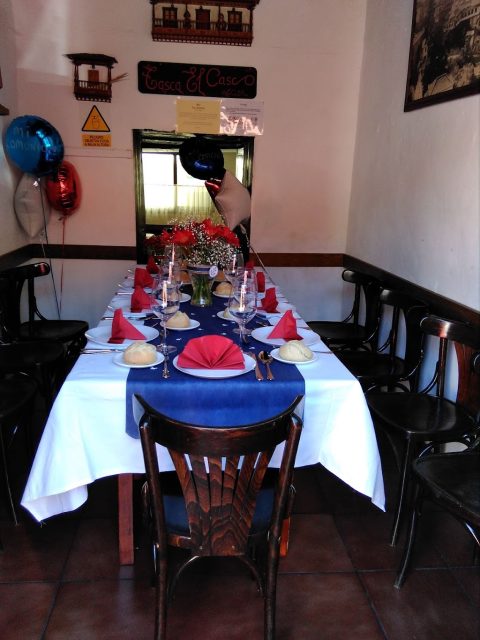
Restaurante Casa Gusto
Restaurante Casa Gusto is a highly-rated restaurant in Tenerife, rated 4.9★ from 369 reviews. Located at Av. Emigrante, 28, 38687 Playa San Juan, Santa Cruz de Tenerife, Spain.
Opening Hours
- Monday: 6:30 – 9:30 PM
- Tuesday: Closed
- Wednesday: Closed
- Thursday: 6:30 – 9:30 PM
- Friday: 6:30 – 9:30 PM
- Saturday: Closed
- Sunday: 6:30 – 9:30 PM
Bar Los Castillos
Bar Los Castillos is a highly-rated restaurant in Tenerife, rated 4.9★ from 1858 reviews. Located at C. Cólogan, 10, 38300 La Orotava, Santa Cruz de Tenerife, Spain.
Opening Hours
- Monday: Closed
- Tuesday: 6:30 AM – 4:00 PM
- Wednesday: 6:30 AM – 4:00 PM
- Thursday: 6:30 AM – 4:00 PM
- Friday: 6:30 AM – 3:30 PM
- Saturday: 9:30 AM – 4:00 PM
- Sunday: Closed
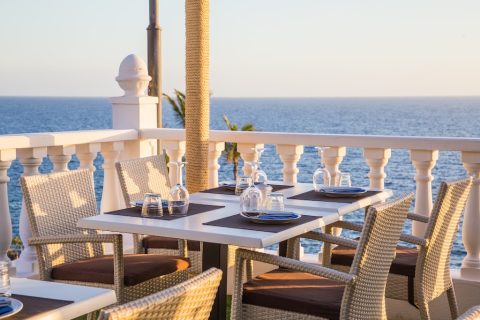
Almar Tenerife
Almar Tenerife is a highly-rated restaurant in Tenerife, rated 4.8★ from 3250 reviews. Located at C .C, Kristal center, C. Gran Bretaña, 10, 38660 Costa Adeje, Santa Cruz de Tenerife, Spain.
Opening Hours
- Monday: 5:30 – 11:45 PM
- Tuesday: 5:30 – 11:45 PM
- Wednesday: 5:30 – 11:45 PM
- Thursday: 5:30 – 11:45 PM
- Friday: 5:30 – 11:45 PM
- Saturday: 2:00 – 11:45 PM
- Sunday: 2:00 – 11:45 PM
Real, highly-rated Beach Bars in Tenerife, sourced from Google Places (rating above 4★).

The Beach Cabin Bar
The Beach Cabin Bar is a highly-rated beach bar in Tenerife, rated 4.8★ from 55 reviews. Located at Paseo Las Vistas, 21, 38650 Arona, Santa Cruz de Tenerife, Spain.
Opening Hours
- Monday: Closed
- Tuesday: 6:00 PM – 1:30 AM
- Wednesday: 6:00 PM – 1:30 AM
- Thursday: 6:00 PM – 1:30 AM
- Friday: 6:00 PM – 3:00 AM
- Saturday: 6:00 PM – 3:00 AM
- Sunday: 6:00 PM – 3:00 AM
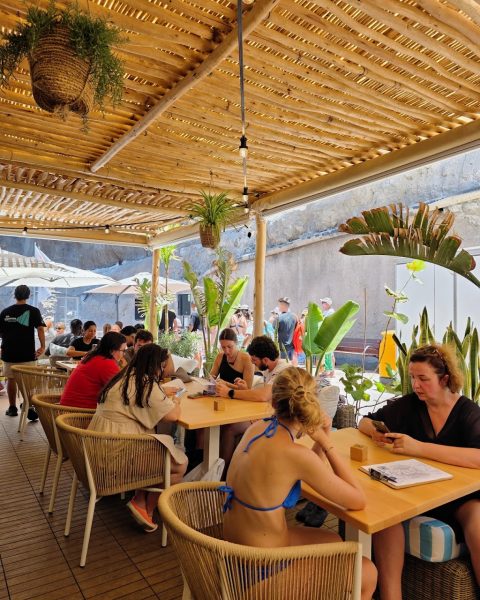
Restaurante Los Gigantes Beach Club
Restaurante Los Gigantes Beach Club is a highly-rated beach bar in Tenerife, rated 4.7★ from 2186 reviews. Located at C. los Guíos, 38683 Acantilados de Los Gigantes, Santa Cruz de Tenerife, Spain.
Opening Hours
- Monday: 10:30 AM – 10:30 PM
- Tuesday: 10:30 AM – 10:30 PM
- Wednesday: 10:30 AM – 10:30 PM
- Thursday: 10:30 AM – 10:30 PM
- Friday: 10:30 AM – 10:30 PM
- Saturday: 10:00 AM – 10:30 PM
- Sunday: 10:00 AM – 10:30 PM
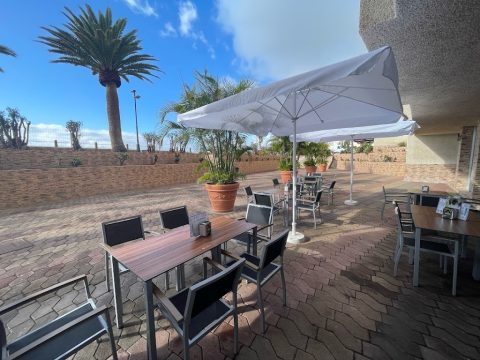
Jardín del Mar Beach Bar
Jardín del Mar Beach Bar is a highly-rated beach bar in Tenerife, rated 4.7★ from 83 reviews. Located at 38190 Tabaiba, Santa Cruz de Tenerife, Spain.
Opening Hours
- Monday: Closed
- Tuesday: Closed
- Wednesday: 9:00 AM – 7:00 PM
- Thursday: 9:00 AM – 7:00 PM
- Friday: 9:00 AM – 7:00 PM
- Saturday: 9:00 AM – 10:00 PM
- Sunday: 9:00 AM – 10:00 PM
Explore Tenerife on the Map
Optimal Travel Seasons
Tenerife's nickname, "the island of eternal spring," is well earned — coastal temperatures stay mild year-round (18-28°C), making it one of the few European destinations with a genuine all-season tourist appeal. That said, some periods stand out.
Winter (December-February) is peak season for northern European visitors escaping cold weather, with coastal temperatures around 18-21°C and Mount Teide often snow-capped — a striking contrast to sunbathing at sea level. Expect higher hotel prices and busier southern resorts.
Spring (March-May) brings pleasant temperatures (20-24°C), blooming jacaranda and strelitzia, and the island's flower festivals, with fewer crowds than winter.
Summer (June-August) is hot and dry in the south (26-29°C) but notably cooler and cloudier in the north due to the trade-wind cloud layer that hugs Tenerife's northern slopes — plan accordingly if choosing between Costa Adeje and Puerto de la Cruz.
Fall (September-November) offers warm sea temperatures and thinning crowds, a good value window before the winter rush.
| Month | Avg Temp (South) | Sea Temp | Crowd Level |
|---|---|---|---|
| January | 19°C | 19°C | High |
| April | 21°C | 19°C | Moderate |
| July | 27°C | 22°C | High |
| October | 24°C | 23°C | Moderate |
Getting Around Tenerife
Tenerife Sur (TFS) handles most international flights to the south-coast resorts, while Tenerife Norte (TFN) near Santa Cruz/La Laguna serves domestic and inter-island routes — check which airport your itinerary needs, as they're over an hour apart.
A rental car is the most practical way to see the island beyond the resorts, given how spread out attractions like Teide, Masca, and Anaga are; roads are well maintained but mountain routes are narrow and winding.
The Titsa bus network covers the whole island affordably, and the Tranvía tram connects Santa Cruz and La Laguna every few minutes — useful for that specific route without a car. Taxis are metered and reliable in town but expensive for longer cross-island trips. Inter-island ferries depart from Los Cristianos (to La Gomera) and Santa Cruz (to Gran Canaria and other islands).
✈️ Airport Transfer
Tenerife South Airport (Reina Sofía) (TFS) to city center:
- Titsa Bus 111: Direct express to Santa Cruz in about 55 minutes, €8.45
- Line 343 links Puerto de la Cruz, both airports and Costa Adeje; it no longer serves Los Cristianos. Check TITSA for current fares and journey times.
- Taxi: Roughly 20-30 minutes and €25-35 to Los Cristianos or Costa Adeje resorts
- Private transfer: Pre-booked door-to-door minivan to South coast resorts in about 25 minutes, from €40 per vehicle
What to Buy & Where
As part of the Canary Islands' special tax zone, Tenerife has lower indirect tax (IGIC, 7%) than mainland Spain's VAT, making electronics, perfume, and tobacco noticeably cheaper — Santa Cruz's Calle Castillo is the main shopping street for this.
Local products worth bringing home include mojo sauce (the island's signature condiment), Canarian wine from the volcanic-soil vineyards around La Orotava and Tacoronte, palm honey (miel de palma), and hand-embroidered goods from La Orotava's Casa de los Balcones workshop. Local markets like Mercado Nuestra Señora de África in Santa Cruz are good for fresh produce and cheeses, including the distinctive smoked Canarian goat cheese.
Annual Events & Holidays
Tenerife's Carnival de Santa Cruz (February/March, dates shift yearly with Lent) is one of the largest in the world, second only to Rio de Janeiro's, with elaborate costume parades, a Carnival Queen contest, and street parties lasting over two weeks.
The Corpus Christi flower and sand carpets in La Orotava (May/June) transform the town's streets into elaborate temporary murals made from volcanic sand and flower petals.
Romería de San Roque in Garachico (August) and the Bajada de la Virgen pilgrimage traditions honor local patron saints with processions and traditional dress. National holidays (Spanish Constitution Day, Epiphany, Easter week) also apply, closing most shops and municipal offices.
Sample Itineraries
Day 1 — Santa Cruz & La Laguna: Morning at the Museo de la Naturaleza y el Hombre and Auditorio de Tenerife, tram to La Laguna's UNESCO old town for lunch and an afternoon exploring Plaza del Adelantado and the cathedral.
Day 2 — Mount Teide: Early departure to beat crowds, cable car to near the summit, short hike (permit required for the crater), scenic drive back via Vilaflor for lunch. Stargazing tour if energy allows in the evening.
Day 3 — North Coast: Puerto de la Cruz old town and Plaza del Charco in the morning, Jardín Botánico, then Icod de los Vinos (Drago Milenario) and Garachico's lava pools in the afternoon.
Day 4 — Masca & Los Gigantes: Drive the Teno mountain road to Masca village, short hike or viewpoint stop, continue to Los Gigantes for a sunset boat trip beneath the cliffs.
Day 5 — South Coast & Whales: Morning whale-watching trip from Los Cristianos, afternoon at Siam Park or Playa del Duque, evening in Costa Adeje.
Best Photography Locations
Mount Teide at sunrise from the Pico Viejo viewpoint delivers a "shadow of Teide" phenomenon over the clouds — arrive before dawn via the cable car's first ascent or a pre-dawn hike.
Masca village from the Mirador de Masca on the TF-436 road captures the whole gorge and rooftops in one frame, best in late-afternoon light.
The Auditorio de Tenerife against a sunset sky, shot from across the harbor near Parque Marítimo, is the island's most iconic architectural photo. For a classic Canarian streetscape, La Orotava's Calle Real del Sol with its wooden balconies works well in soft morning light before shops open.
Power & Plugs
Tenerife uses the standard Spanish system: 230V, 50Hz, with Type C and Type F two-round-pin plugs, identical to mainland Spain. UK and US visitors will need an adapter; US/Canadian appliances not rated for 230V also need a voltage converter.
Must-Try Dishes
Papas arrugadas con mojo — small wrinkled potatoes boiled in heavily salted water, served with red (spicy mojo rojo) or green (herb-based mojo verde) sauce — is the island's signature dish, found on nearly every menu.
Gofio, a toasted grain flour dating to Guanche times, appears in everything from soups to desserts. Fresh seafood is excellent along the coast, particularly vieja (parrotfish) and octopus. Try conejo en salmorejo (rabbit in a garlic-paprika marinade) inland, and finish with bienmesabe, an almond-and-honey dessert. Canarian wines from volcanic-soil vineyards pair well with most local dishes, and are far less known internationally than they deserve.
Where to Stay in Tenerife
- Costa Adeje — the pick for families and first-time visitors: polished resorts, calm beaches, and easy access to water parks and dining, all in a walkable, tourist-friendly setting.
- Santa Cruz de Tenerife City Center — best for nightlife seekers and business travelers: a real working city with bars, restaurants, shopping, and transport links to the rest of the island.
- San Cristóbal de La Laguna (Old Town) — ideal for budget travelers and culture-focused visitors: a UNESCO-listed historic center with affordable guesthouses, colorful colonial streets, and a lively student vibe.
- Puerto de la Cruz Old Town — a relaxed base for first-time visitors who want charm over polish: black-sand beaches, botanical gardens, and a slower-paced northern coast atmosphere with plenty of mid-range hotels.
For day trips rather than overnight stays, Masca Village and Garachico reward a visit but offer limited lodging, so plan them as excursions from one of the bases above.
Is Tenerife Worth Visiting?
Yes — Tenerife is worth visiting because it packs a snow-capped volcanic summit, black-sand coves, ancient laurel forest, and a UNESCO-listed colonial city onto a single island just a few hours from mainland Europe.
- Mount Teide: Spain's highest peak anchors a national park of volcanic craters and lava fields often compared to a Martian landscape, reachable by cable car for sweeping views over the Canary archipelago.
- Two very different coastlines: the golden sands of Playa de las Teresitas in the north contrast with the dramatic black volcanic beaches and lively resort strips of the south.
- San Cristobal de La Laguna: a UNESCO World Heritage colonial town of cobbled streets and colorful facades, offering a cultural counterpoint to the island's natural extremes.
- Year-round mild climate makes it a reliable winter escape as well as a summer destination, without the seasonal shutdown many European beach spots face.
Tenerife Travel Budget
Tenerife suits every travel style, from hostel-hopping surfers to five-star resort guests. Here is what a typical day costs across three budget tiers in 2026.
- Budget (€45-70/day): Hostel dorm or budget aparthotel around €18-30, self-catering or menu del dia lunches near €9-12, TITSA bus rides at €1.50-3 per trip (or a current ten+ fare product; check eligibility and prices before travel.), and free or low-cost attractions like Playa de las Teresitas or Parque Garcia Sanabria.
- Mid-range (€90-160/day): A comfortable 3-star hotel or apartment near €60-90, restaurant meals around €15-25 per person, a rental car from €25-35/day or taxis for shorter hops, plus paid sights such as Loro Parque (about €39) or the Teide cable car (roughly €27).
- Luxury (€250-500+/day): Beachfront 5-star resorts in Costa Adeje or Los Cristianos from €180-350, fine dining tasting menus at €50-90 per person, private drivers or premium car hire near €70-100/day, and extras like whale-watching charters or spa access from €60-150.
Tip: Shoulder-season months (April-May and October-November) trim accommodation costs by 15-20 percent versus the busy winter sun-seeker period.
Tourist Passes
Teide Cable Car + Summit Permit Ticket
Combined online booking for the cable car ascent and the free summit-access permit required for the final stretch to the crater rim. Booking both together well in advance is essential — permits are limited daily and the cable car itself sells out in high season.
www.volcanoteide.comten+ Card (Transport Card)
The current ten+ card or app (its Bono Monedero is valid on the tram and all TITSA lines), offering discounted fares over single paper tickets for visitors making multiple trips without a rental car.
www.titsa.comSiam Park Skip-the-Line Ticket
Online tickets for Siam Park avoid gate queues and can include combo pricing with Loro Parque under the same ownership group, worth comparing against separate tickets if visiting both.
www.siampark.netLoro Parque + Siam Park Combo Ticket
A joint ticket covering both parks at a modest discount over buying separately, plus a free shuttle bus connecting them from most southern resort areas — convenient for visitors planning to see both over two days.
www.loroparque.comFred Olsen Ferry Tickets (La Gomera / La Palma)
Advance online booking for inter-island ferries from Los Cristianos, typically cheaper than buying at the port and necessary in peak season when popular sailings sell out.
www.fredolsen.esMore about Tenerife
Photo credits (41)
- Mount Teide & Teide National Park: photo by dronepicr, CC BY 2.0, via Wikimedia Commons
- Auditorio de Tenerife: photo by Thomas Wolf, www.foto-tw.de, CC BY-SA 3.0 de, via Wikimedia Commons
- Drago Milenario (Thousand-Year Dragon Tree): photo by Photograph by Mike Peel (www.mikepeel.net)., CC BY-SA 4.0, via Wikimedia Commons
- Los Gigantes Cliffs: photo by Diego Delso, CC BY-SA 3.0, via Wikimedia Commons
- Pirámides de Güímar: photo by Axel Cotón Gutiérrez, CC BY-SA 4.0, via Wikimedia Commons
- Museo de la Naturaleza y el Hombre: photo by VolcánTeide, CC BY-SA 3.0, via Wikimedia Commons
- TEA Tenerife Espacio de las Artes: photo by Spigidbe83, CC BY-SA 3.0, via Wikimedia Commons
- Museo Militar de Almeyda: photo by CARLOS TEIXIDOR CADENAS, CC BY-SA 3.0, via Wikimedia Commons
- Casa de los Balcones: photo by Diego Delso, CC BY-SA 3.0, via Wikimedia Commons
- Catedral de San Cristóbal de La Laguna: photo by Diego Delso, CC BY-SA 4.0, via Wikimedia Commons
- Basílica de Nuestra Señora de Candelaria: photo by Diego Delso, CC BY-SA 3.0, via Wikimedia Commons
- Iglesia de la Concepción: photo by Diego Delso, CC BY-SA 3.0, via Wikimedia Commons
- Iglesia de Nuestra Señora de la Peña de Francia: photo by H. Zell, CC BY-SA 3.0, via Wikimedia Commons
- Plaza del Charco: photo by Silar, CC BY-SA 4.0, via Wikimedia Commons
- Plaza de España, Santa Cruz: photo by Diego Delso, CC BY-SA 3.0, via Wikimedia Commons
- Plaza del Adelantado: photo by rene boulay, CC BY-SA 3.0, via Wikimedia Commons
- San Cristóbal de La Laguna (Old Town): photo by Diego Delso, CC BY-SA 4.0, via Wikimedia Commons
- Masca Village: photo by Thomas Wolf, www.foto-tw.de, CC BY-SA 3.0 de, via Wikimedia Commons
- Garachico: photo by Diego Delso, CC BY-SA 3.0, via Wikimedia Commons
- Costa Adeje: photo by Javier Lastras, CC BY 2.0, via Wikimedia Commons
- Anaga Rural Park: photo by Diego Delso, CC BY-SA 4.0, via Wikimedia Commons
- Jardín Botánico de Puerto de la Cruz: photo by Cayambe, CC BY-SA 4.0, via Wikimedia Commons
- Parque García Sanabria: photo by Diego Delso, CC BY-SA 3.0, via Wikimedia Commons
- Barranco del Infierno: photo by Javier Sanchez Portero, CC BY-SA 3.0, via Wikimedia Commons
- Playa de las Teresitas: photo by Photograph by Mike Peel (www.mikepeel.net)., CC BY-SA 4.0, via Wikimedia Commons
- Playa Jardín: photo by Cayambe, CC BY-SA 4.0, via Wikimedia Commons
- Playa del Duque: photo by Marc Ryckaert, CC BY 3.0, via Wikimedia Commons
- El Médano: photo by Karmelo26, CC0, via Wikimedia Commons
- Los Cristianos Beach: photo by Photograph by Mike Peel (www.mikepeel.net)., CC BY-SA 4.0, via Wikimedia Commons
- Siam Park: photo by Wouter Hagens, CC BY-SA 4.0, via Wikimedia Commons
- Loro Parque: photo by myself (User:Piotrus), CC BY-SA 3.0, via Wikimedia Commons
- La Gomera: photo by O.V.E.R.V.I.E.W., CC BY 2.0, via Wikimedia Commons
- La Palma: photo by O.V.E.R.V.I.E.W., CC BY 2.0, via Wikimedia Commons
- Museo de la Ciencia y el Cosmos: photo by ArticCynda, CC BY-SA 4.0, via Wikimedia Commons
- Monkey Park Tenerife: photo by Tuxyso, CC BY-SA 3.0, via Wikimedia Commons
- Santa Cruz de Tenerife Carnival: photo by Joergsam, CC BY-SA 4.0, via Wikimedia Commons
- Punta de Teno: photo by Jose Mesa from island of Tenerife, Canary Islands, Spain, CC BY-SA 2.0, via Wikimedia Commons
- Piscinas Naturales de Bajamar: photo by Mentxuwiki, CC BY-SA 4.0, via Wikimedia Commons
- Charco del Viento: photo by Dieglop, CC BY-SA 4.0, via Wikimedia Commons
- Hard Rock Cafe Tenerife: photo by Tuxyso, CC BY-SA 4.0, via Wikimedia Commons
- Restaurant Sebastian: photo by -wuppertaler, CC BY 4.0, via Wikimedia Commons
.jpg)
.jpg)


.jpg)


_La_Palma_%26_La_Gomera_Islands,_Canary_Islands_(cropped).jpg)
_La_Palma_%26_La_Gomera_Islands,_Canary_Islands_(cropped).jpg)


.jpg)
.jpg)


