Tenerife's churches trace the island's post-conquest Catholic history, from La Laguna's UNESCO-listed cathedral to the basilica housing the patron saint of the Canary Islands.
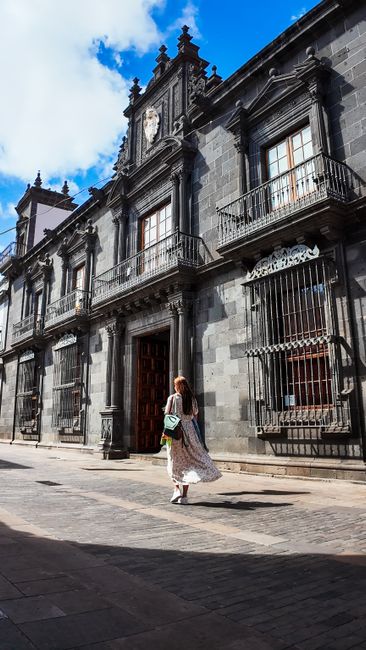
Catedral de San Cristóbal de La Laguna
The seat of the Diocese of Tenerife, this cathedral in the UNESCO-listed old town of La Laguna combines Neoclassical and Gothic Revival elements after centuries of rebuilding following fires and structural collapse. Its interior holds religious artwork spanning the island's colonial period. The cathedral anchors La Laguna's historic center, whose grid-planned streets served as the model for many Latin American colonial cities.
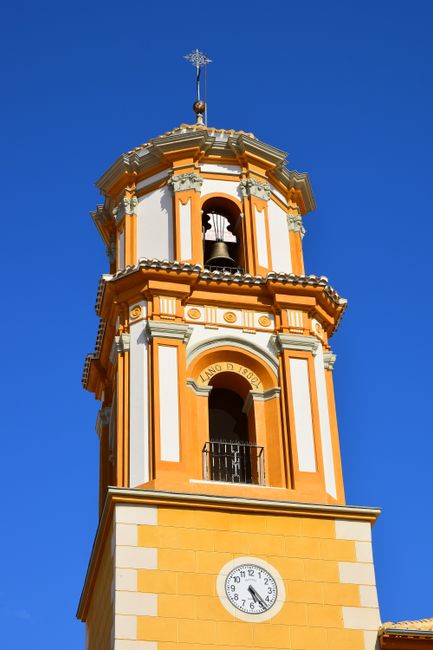
Basílica de Nuestra Señora de Candelaria
This basilica in the coastal town of Candelaria houses a statue of the Virgin of Candelaria, patron saint of the Canary Islands, whose original wooden figure (lost in a storm in 1826) was venerated by both Guanches and Spanish settlers. The plaza in front features bronze statues of the nine Guanche kings (Menceyes) who ruled the island before conquest. A major pilgrimage site, especially around the February 2 feast day.
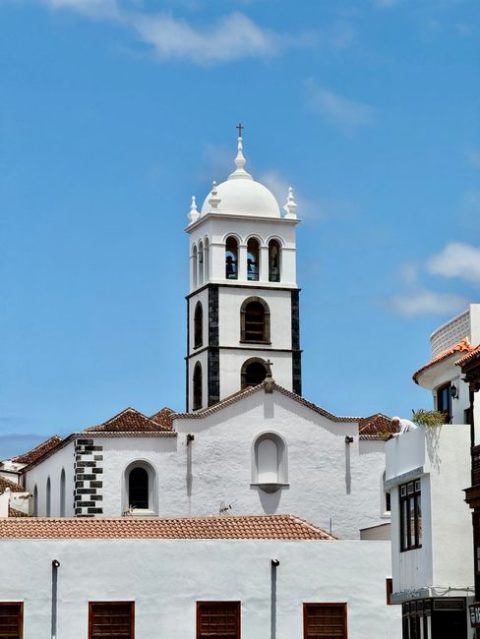
Iglesia de la Concepción
Built in the early 16th century shortly after the Spanish conquest, this is one of the oldest churches in La Laguna's historic center and a key example of Canarian religious architecture, with a distinctive mudéjar-style wooden ceiling. Its bell tower is a recognizable landmark on the old town skyline. The church has been rebuilt several times after fires, blending styles from different centuries.
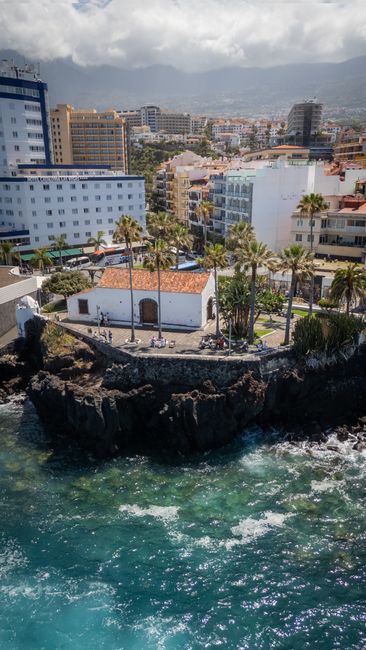
Iglesia de Nuestra Señora de la Peña de Francia
Puerto de la Cruz's main parish church sits on the historic Plaza de la Iglesia in the old fishing quarter, its whitewashed facade and bell tower forming a backdrop to one of the town's liveliest squares. Rebuilt after a fire in the 17th century, it remains an active parish church and a natural stop while exploring the surrounding cobblestone streets and seafront promenade.
Tips for Religious Sites
- Dress modestly (shoulders and knees covered) to enter any of these churches
- Visit the Basílica de Candelaria around the February 2 feast day for a major pilgrimage, but expect large crowds
- La Laguna's cathedral and Iglesia de la Concepción can both be seen on the same historic-center walk