From pre-Hispanic mummies to contemporary Canarian art, Tenerife's museums trace the island's Guanche origins, colonial trade history, and its role in early 20th-century transatlantic culture.
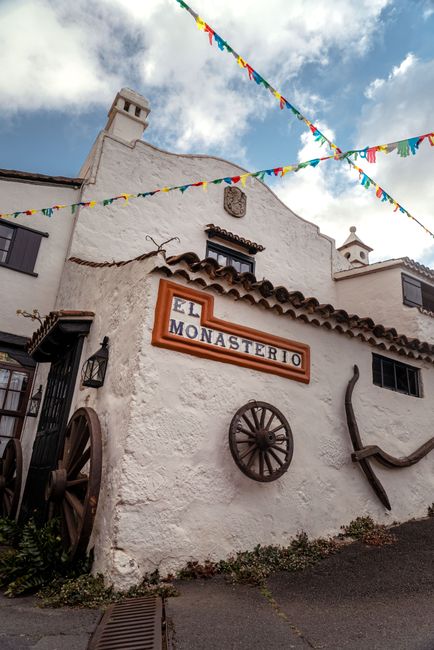
Museo de la Naturaleza y el Hombre
Housed in a restored 18th-century hospital in Santa Cruz, this museum holds the world's largest collection of Guanche mummies — the island's pre-Hispanic indigenous inhabitants — alongside skulls, pottery, and tools documenting their culture before Spanish conquest in 1496. A separate natural history wing covers the volcanic origins and endemic species of the Canary archipelago. Well-labeled in English and Spanish, and one of the few places to understand Tenerife's history before European contact.
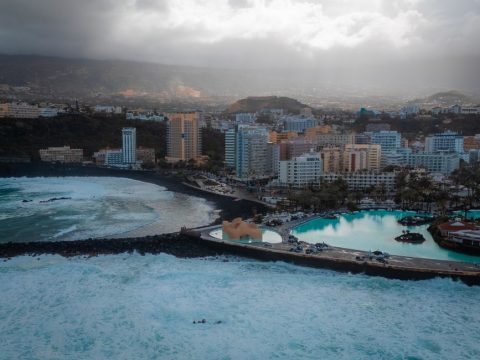
TEA Tenerife Espacio de las Artes
This contemporary art and culture center in Santa Cruz occupies a striking angular building designed by Herzog & de Meuron with Virgilio Gutiérrez, and hosts rotating exhibitions of Canarian and international contemporary art. It also houses the Óscar Domínguez collection, dedicated to the Surrealist painter born in Tenerife, and a public library. The building's cantilevered terraces offer good views over Santa Cruz's historic center.
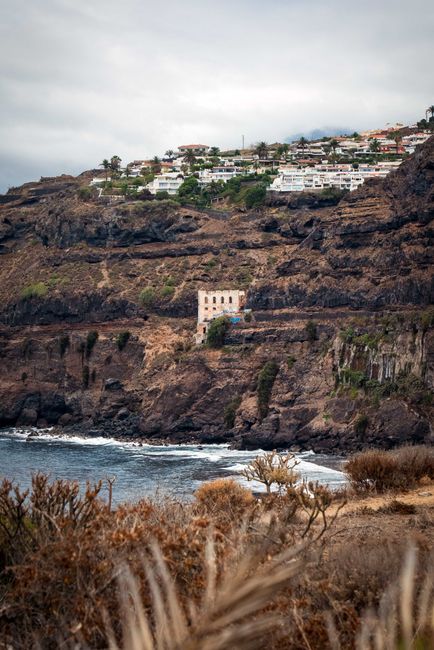
Casa de los Balcones
In the historic town of La Orotava, this 17th-century mansion is renowned for its elaborately carved Canarian wooden balconies, a defining feature of traditional island architecture. The interior functions as a museum and working embroidery workshop, showcasing local crafts and colonial-era furnishings around a plant-filled courtyard. One of the best-preserved examples of the balcony style found throughout the archipelago.
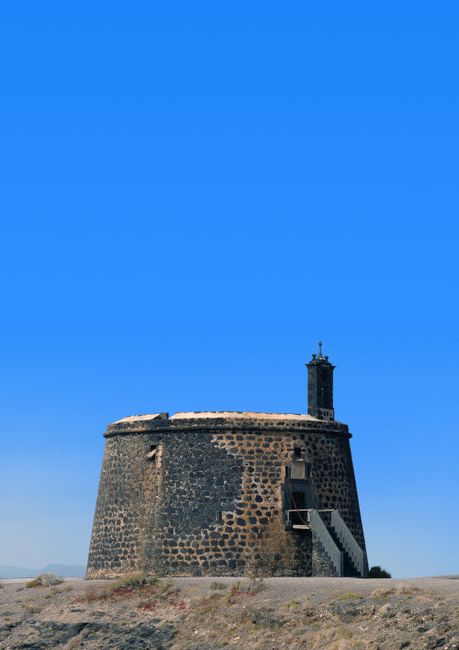
Museo Militar de Almeyda
This military museum in Santa Cruz displays weapons and uniforms spanning centuries, but its centerpiece is El Tigre, the cannon credited with wounding and driving off Admiral Horatio Nelson during his failed 1797 attack on the island — the battle that cost Nelson his right arm. A compact, free stop that adds context to Santa Cruz's colonial-era defenses.
Tips for Museums & Galleries
- The Museo de la Naturaleza y el Hombre is free on Sundays for residents but modestly priced otherwise — worth every euro for the mummy collection
- Combine TEA with a walk through Santa Cruz's nearby Rambla for street art
- Casa de los Balcones pairs well with the rest of La Orotava's historic quarter in one visit