From La Laguna's UNESCO-protected colonial grid to Puerto de la Cruz's palm-shaded plaza, Tenerife's public squares and streets showcase the island's centuries of urban planning.
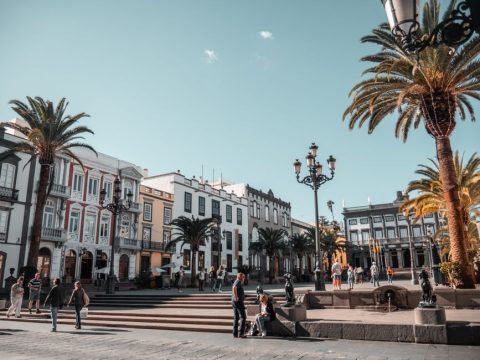
Plaza del Adelantado
The central square of La Laguna's UNESCO World Heritage old town, framed by the 16th-century Convento de Santa Catalina, the town hall, and historic mansions with traditional balconies. As the model for the grid-plan colonial cities later built across the Americas, the square and surrounding streets are a rare, well-preserved example of unfortified Spanish colonial urban design.
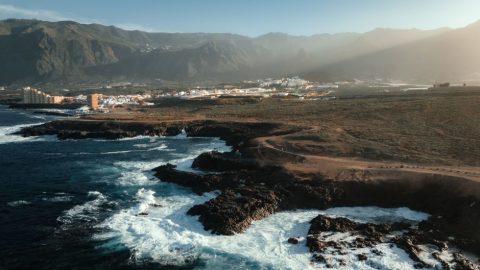
Plaza del Charco
The social heart of Puerto de la Cruz's old town, this palm-shaded square is lined with cafes, restaurants, and colonial-era buildings and takes its name ("pond square") from a tidal pool that once occupied the site. Locals and visitors gather here throughout the day, especially in the evening when outdoor tables fill for tapas and drinks. A good starting point for exploring the town's historic core and nearby harbor.
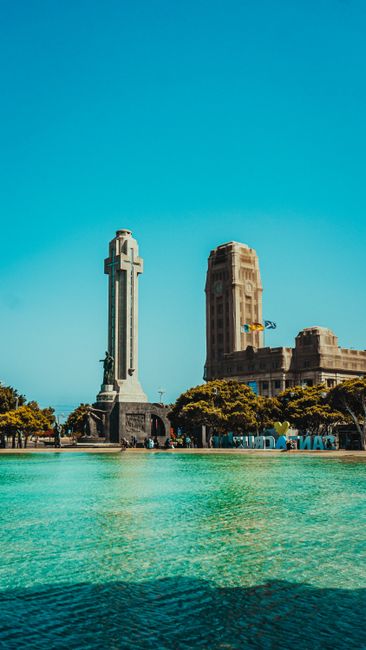
Plaza de España, Santa Cruz
The largest square in the Canary Islands, this waterfront plaza in Santa Cruz was redesigned in 2008 with a reflecting lagoon that doubles as a public plaza floor when drained. It sits at the meeting point of the old town and the modern harbor district, framed by government buildings and the Iglesia de San Francisco. A central gathering point for festivals, concerts, and Carnival events.
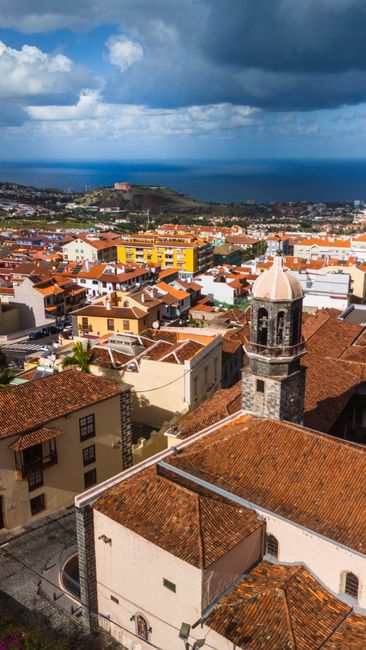
Calle Real del Sol, La Orotava
The main pedestrian street of La Orotava's historic quarter runs past centuries-old mansions with carved wooden balconies, small workshops, and the Casa de los Balcones. The steep, cobbled street is also the centerpiece of the town's famous flower carpets, elaborate volcanic-sand and petal murals created for Corpus Christi each June. Best explored slowly on foot, ideally combined with a coffee stop at one of the small squares along the way.
Tips for Squares & Streets
- Time a visit to Calle Real del Sol around Corpus Christi (May/June) to see the flower carpets — check the exact date yearly
- Plaza del Charco gets liveliest after 7pm when restaurant terraces fill
- La Laguna's old town is best explored on foot; most streets are pedestrianized