Tenerife's skyline is dominated by Mount Teide, Spain's highest peak and a dormant volcano at the heart of a lunar-like national park, while Santiago Calatrava's white sail-shaped auditorium and a 1,000-year-old dragon tree round out an island of striking natural and architectural icons.
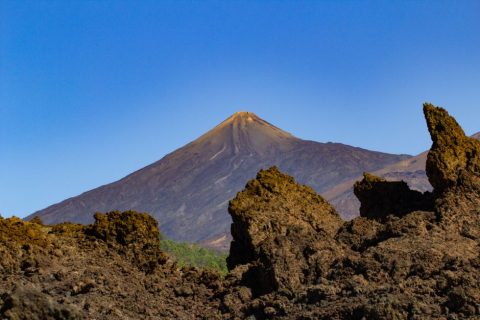
Mount Teide & Teide National Park
At 3,718 meters, Mount Teide is Spain's highest peak and the third-largest volcano in the world measured from its base. The surrounding national park protects a UNESCO-listed landscape of petrified lava flows, red-and-ochre rock formations, and rare endemic plants like the Teide bugloss. A cable car climbs to 3,555m in eight minutes, leaving a short hike to the crater rim (A reservation is required for the summit trail; since 19 January 2026, access during regulated hours is paid for most visitors, with rates up to €25.). On clear days the view stretches across all the Canary Islands. Sunset and stargazing tours are especially popular given the park's near-zero light pollution.
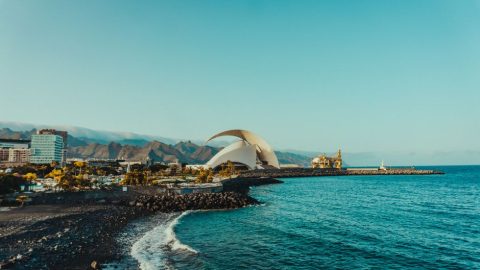
Auditorio de Tenerife
This sail-shaped concert hall by architect Santiago Calatrava opened in 2003 and has since become Tenerife's defining modern landmark, often compared to Sydney Opera House. Its sweeping white concrete curve rises directly from the Santa Cruz waterfront, housing a symphony hall and opera venue. Guided tours explain the engineering behind the cantilevered roof. Best photographed at sunset from across the harbor or from the adjacent Parque Marítimo César Manrique.
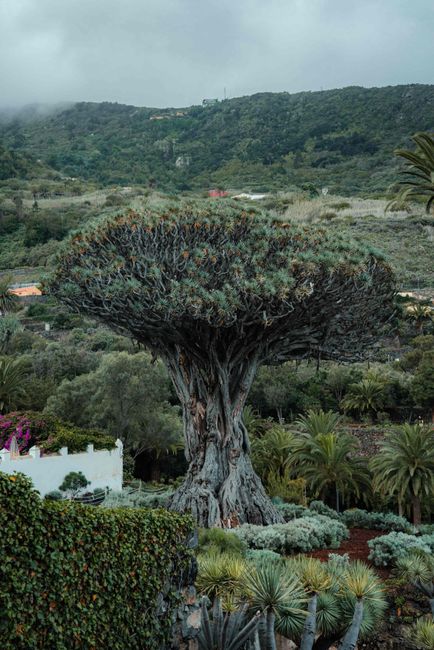
Drago Milenario (Thousand-Year Dragon Tree)
In the town of Icod de los Vinos stands one of the oldest and largest specimens of Dracaena draco, a dragon tree estimated at 800-1,000 years old and about 17–21 metres tall. Its umbrella-like crown and red resin, historically prized as "dragon's blood," made it a symbol of the Canary Islands long before mass tourism. The surrounding botanical garden and viewing platforms let visitors appreciate the tree's scale. Best visited in the morning when the town square is quiet.
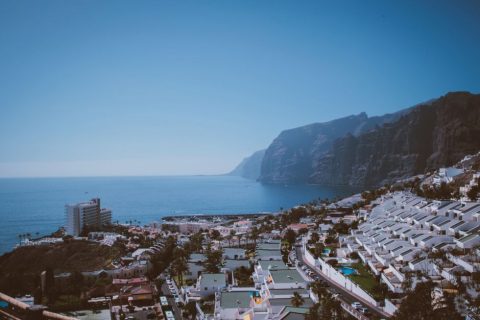
Los Gigantes Cliffs
These sheer volcanic cliffs plunge several hundred meters (up to about 600) straight into the Atlantic along Tenerife's west coast, forming one of the island's most dramatic natural landmarks. Best appreciated from the water — boat trips from the harbor town of the same name pass directly beneath the rock face and often spot pilot whales and dolphins en route. Viewpoints in the town of Los Gigantes offer a more accessible, if less dramatic, angle. Sunset boat trips are the most popular way to experience the scale of the cliffs.
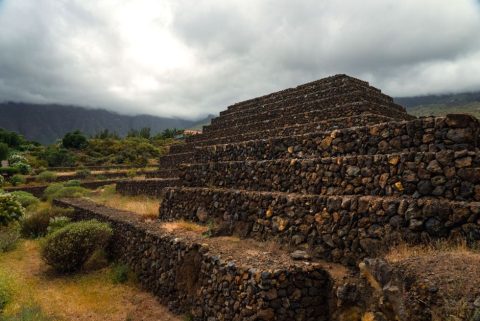
Pirámides de Güímar
Six rectangular stepped stone structures in the town of Güímar, made of volcanic rock without mortar, whose origin remains debated between colonial-era agricultural terracing and pre-Hispanic ceremonial use. Norwegian explorer Thor Heyerdahl championed their significance and founded the ethnographic park now surrounding them, which includes a museum on his transoceanic voyages. An unusual and lesser-visited stop that pairs well with a Güímar valley day trip.
Tips for Landmarks & Monuments
- Book the Teide cable car and summit access permit at least 2-3 weeks ahead in summer — both sell out
- Bring warm layers for Teide even in summer; the summit can be 20°C colder than the coast
- Visit the Drago Milenario right at opening to avoid tour bus crowds in the small square
- Sunset boat trips to Los Gigantes are calmer and cheaper than midday tours