Kyoto served as Japan's imperial capital for over a thousand years. Its castles, imperial palaces, and ancient quarters preserve the living memory of emperors, shoguns, and samurai.
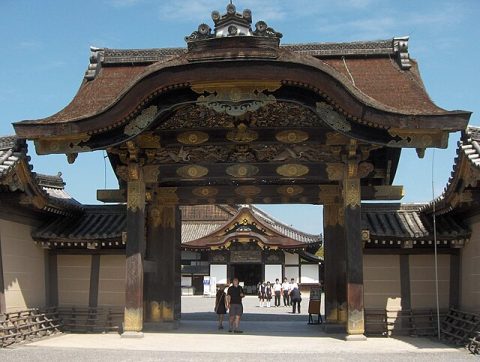
Nijo Castle
Nijo Castle was built in 1603 as the Kyoto residence of the first Tokugawa shogun. A UNESCO World Heritage Site, its Ninomaru Palace features the famous uguisubari 'nightingale floors' — boards deliberately constructed to creak, alerting guards to intruders. Interior walls are lavishly painted by Kano-school masters. The palace garden was designed by master Kobori Enshu. The castle was the site of the Meiji Restoration declaration in 1867.
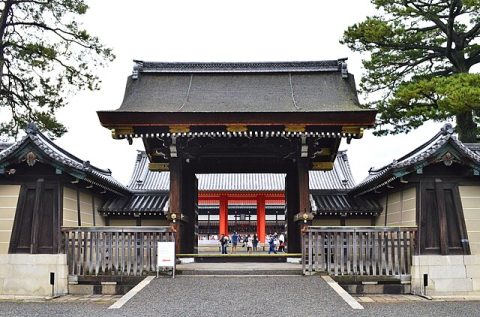
Kyoto Imperial Palace
Kyoto Imperial Palace was the residence of Japan's imperial family until 1869, when the capital moved to Tokyo. Set within the 65-hectare Kyoto Gyoen National Garden, current palace buildings date to 1855. English guided tours are offered (booking through the Imperial Household Agency is required). The sprawling park surrounding the palace is a favorite local retreat for cycling, picnicking, and cherry blossom viewing in spring. Advance registration is no longer required for tours.
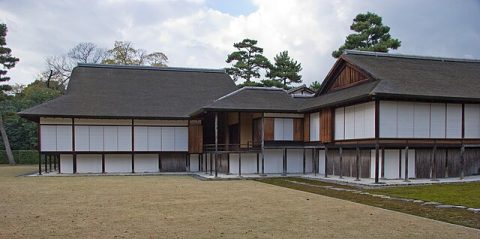
Katsura Imperial Villa
Katsura Imperial Villa is widely regarded as the pinnacle of Japanese architectural and garden design. Built in the early 17th century, the villa's stroll garden integrates teahouses, bridges, stone lanterns, and seasonal plantings in a seamless composition. Western architects including Bruno Taut declared it a masterwork of modernist principles realized centuries before modernism. Access requires advance reservations through the Imperial Household Agency.
Tips for Ancient & Historical Sites
- Book Katsura Imperial Villa months in advance — slots fill quickly
- Nijo Castle is closed on Tuesdays from December to February
- The Imperial Palace park is free to enter and ideal for a morning walk or cycling
- Combine Nijo Castle with the nearby Nishiki Market for a full central Kyoto day