Kyoto's public art landscape spans from ancient stone lanterns and moss-covered garden sculptures to striking Meiji-era industrial structures that create unexpected juxtapositions with ancient Zen settings.
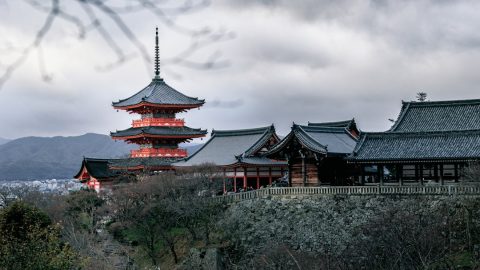
Daitoku-ji Complex & Sub-Temples
Daitoku-ji is a vast Rinzai Zen complex in northern Kyoto comprising 22 sub-temples, many with exceptional dry gardens. Korin-in, Daisen-in, and Zuiho-in feature some of Japan's finest karesansui gardens. The complex preserves a large collection of tea-ceremony art — Sen no Rikyu, the master of Japanese tea, had a teahouse here. The sub-temples are scattered across a quiet, tree-shaded precinct that feels removed from the city.
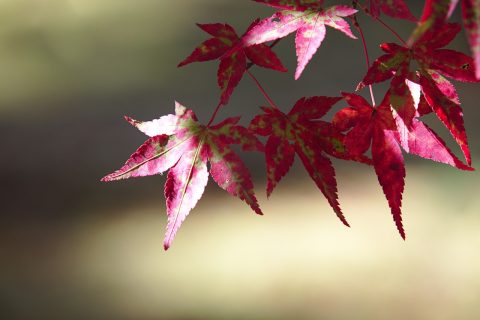
Nanzen-ji Aqueduct (Suirokaku)
The Nanzen-ji Aqueduct is a striking red-brick Roman-style arcade built in 1890 as part of the Lake Biwa Canal project. The aqueduct cuts dramatically through the Zen temple complex of Nanzen-ji, creating a surreal juxtaposition of Meiji-era industrial engineering against ancient architecture. Visitors can walk along the top for unusual views. Seasonal plantings — wisteria in spring, maples in autumn — frame the structure beautifully.
Tips for Fountains & Public Art
- Daitoku-ji is best explored slowly; combine 2-3 open sub-temples in one visit
- The Nanzen-ji aqueduct walk takes only 15 minutes but is a unique photo opportunity
- Stone lanterns along the Philosopher's Path are lit seasonally for nighttime strolls