Kyoto's neighborhoods each carry a distinct identity — from the geisha district of Gion to the bamboo groves of Arashiyama, each quarter rewards unhurried exploration on foot.
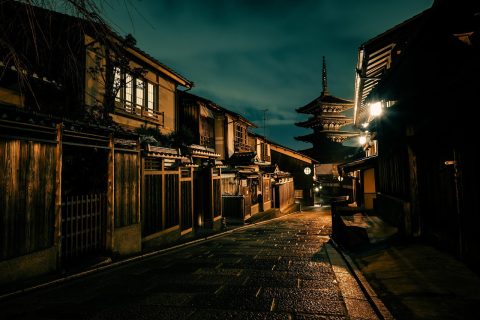
Gion District
Gion is Kyoto's most famous geisha district, centered on Hanamikoji Street — a perfectly preserved lane of wooden ochaya (teahouses) where geiko and maiko entertain guests in private banquets. The district is richest in atmosphere at dusk, when lanterns glow and formally attired geisha move between engagements. The Gion Matsuri Festival (July) transforms the streets into one of Japan's greatest spectacles.
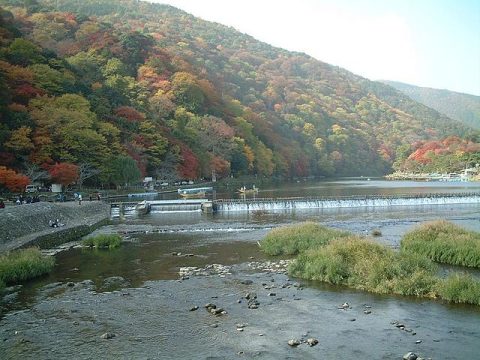
Arashiyama
Arashiyama is Kyoto's most scenic district, where the Oi River curves beneath forested mountains. It encompasses the Bamboo Grove, Tenryu-ji garden, hillside temples, boat rentals, and the Sagano Romantic Train. The district is atmospheric in all seasons: cherry blossoms in spring, crimson maples in autumn, snow-dusted bamboo in winter. Best explored on foot or by rented bicycle.
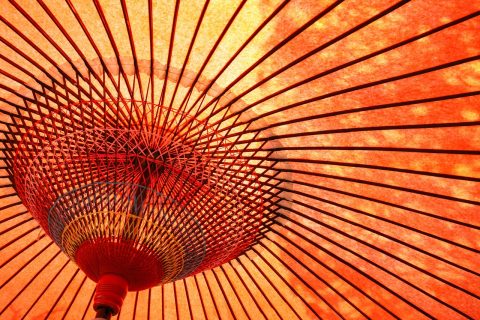
Higashiyama District
Higashiyama is Kyoto's best-preserved historic district, stretching along the eastern foothills from Yasaka Shrine south to Kiyomizu-dera. Its stone-paved lanes, traditional craft shops, and machiya townhouses create an atmosphere unchanged for centuries. Major temples including Chion-in, Shoren-in, and Kodai-ji are interspersed through the district. Higashiyama is wonderful at night when lantern-lit paths are nearly deserted.
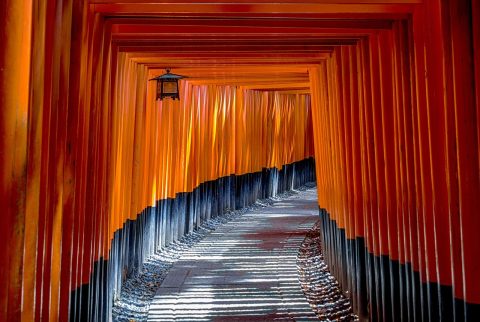
Fushimi Sake District
Fushimi, in southern Kyoto, is Japan's second most important sake production center. The district's pure subterranean spring water has sustained the sake industry for over 400 years. Picturesque canals lined with brewery storehouses recall Edo-period commerce. The Gekkeikan Okura Sake Museum offers tastings and historical exhibits. Far less visited than central Kyoto, Fushimi provides an authentic glimpse of traditional Japanese industry.
Tips for Neighborhoods & Districts
- Explore Gion on foot after 5 PM for the best chance of seeing geiko and maiko
- Arashiyama's bamboo grove is best before 8 AM — later in the day it becomes extremely crowded
- Rent a bicycle to connect Arashiyama's spread-out sights efficiently
- The Philosopher's Path between Ginkaku-ji and Nanzen-ji connects Higashiyama's northern end