Kyoto's central location makes it an ideal base for exploring nearby ancient capitals, mountain villages, and World Heritage Sites within 30–90 minutes by train.
Nara
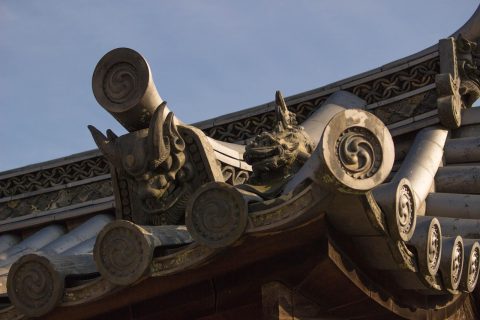
Nara, Japan's first permanent capital (710–794 AD), is 45 minutes from Kyoto by JR or Kintetsu train. Nara Park is home to over 1,200 freely roaming sacred sika deer. Todai-ji Temple houses the world's largest bronze Buddha (15 meters tall) inside the world's largest wooden building. Kasuga Taisha Shrine is famous for its 3,000 stone and bronze lanterns. Naramachi, the preserved merchant district, is ideal for craft shopping and traditional sweets.
Osaka
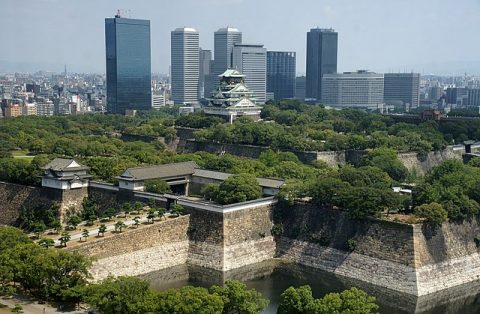
Osaka is 15 minutes from Kyoto by Shinkansen and 40 minutes by Hankyu express, making it one of Japan's most accessible day trips. The city contrasts sharply with Kyoto's contemplative elegance — Osaka is energetic, commercial, and food-obsessed. Key attractions include Osaka Castle, Dotonbori's neon-lit entertainment district, and the Kuromon Ichiba market. Osaka street food — takoyaki, okonomiyaki, kushikatsu — is legendary.
Hiroshima & Miyajima
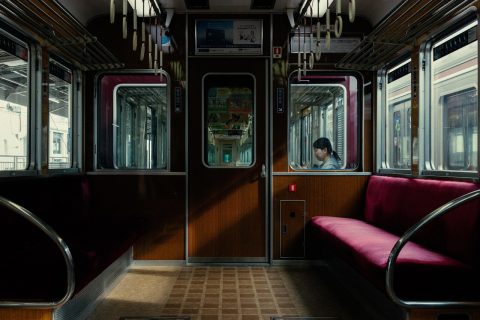
Hiroshima is 1.5 hours from Kyoto by Shinkansen and can be combined with Miyajima island in a full-day trip. The Hiroshima Peace Memorial Park and Museum bear solemn witness to the 1945 atomic bombing. Miyajima Island is famous for the floating torii gate of Itsukushima Shrine — a UNESCO World Heritage Site that appears to float on the sea at high tide. The combination of historical gravity and natural beauty makes this day trip uniquely impactful.
Kurama & Kibune
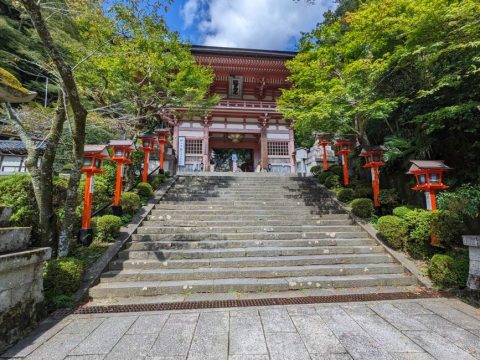
Kurama and Kibune are mountain villages just 30 minutes from central Kyoto by Eizan Railway. Kurama Temple, accessible via a steep forest hike, is set in a cedar-draped mountain believed to be home of the Tengu — Shinto mountain spirits. In summer, Kibune's restaurants serve kaiseki meals on platforms built over the cold mountain river. The trail connecting the two villages is one of Kyoto's finest half-day hikes.
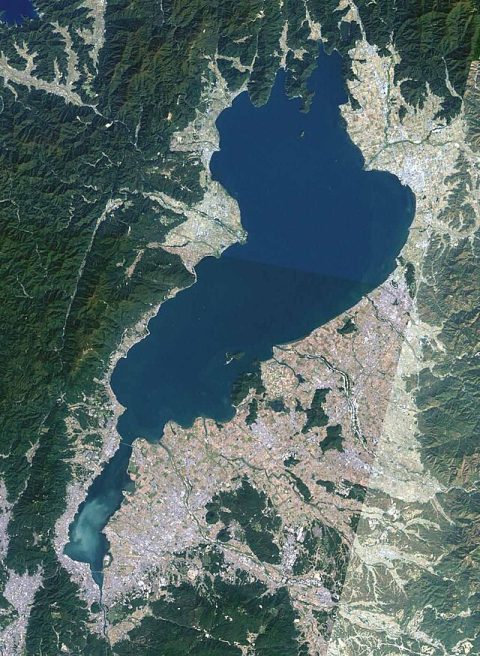
Lake Biwa
Lake Biwa is Japan's largest lake, located just 15 minutes east of Kyoto by JR train. Its shores include the castle town of Hikone with one of Japan's five original Edo-period castles, and the atmospheric canal port of Omihachiman. Cruise boats operate on the lake in summer. Lake Biwa has supplied Kyoto with drinking water since the Meiji era through the remarkable Lake Biwa Canal visible from the Nanzen-ji aqueduct.
Tips for Day Trips & Excursions
- Use the JR Pass for Shinkansen day trips to Hiroshima and Osaka
- Nara is best visited on a weekday to avoid weekend crowds at Todai-ji
- Combine Kurama and Kibune in one day — hike the 90-minute forest trail between them
- For Hiroshima/Miyajima, depart Kyoto by 7:30 AM to maximize the day