Kyoto's skyline is defined by iconic structures that have stood for centuries — from the luminous Golden Pavilion to the endless rows of vermillion torii gates winding up Mount Inari.
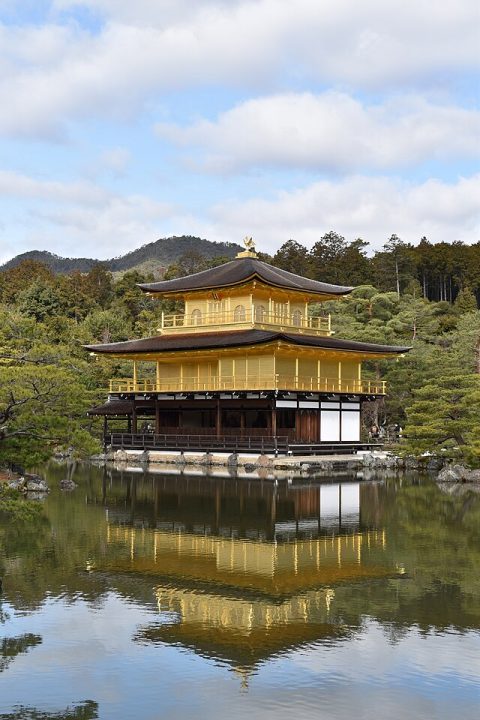
Kinkaku-ji (Golden Pavilion)
Kinkaku-ji, the Temple of the Golden Pavilion, is Kyoto's most photographed landmark. The top two floors of this three-story Zen Buddhist temple are completely covered in gold leaf, shimmering above a mirror-like reflecting pond. Originally built as a retirement villa for Shogun Ashikaga Yoshimitsu in 1397, it was converted to a Zen temple after his death. The surrounding stroll garden features ancient pines and stone lanterns framing perfect reflections of the golden structure. Visit early morning for the best light and fewest crowds.
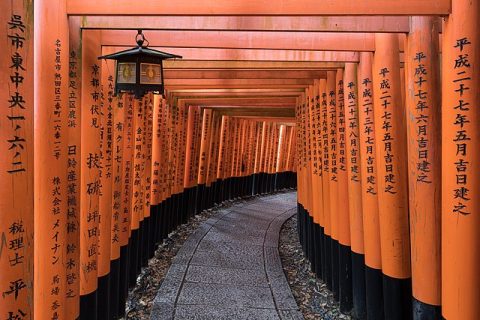
Fushimi Inari Taisha
Fushimi Inari Taisha is Kyoto's most iconic Shinto shrine, famous for thousands of vermillion torii gates winding up Mount Inari. Dedicated to the god of rice, the shrine has existed since 711 AD. The full hike to the summit takes 2–3 hours and rewards with panoramic views. The lower gates are crowded during daylight — arriving at dawn or dusk transforms the tunnels into an ethereal experience. Free and open 24 hours.
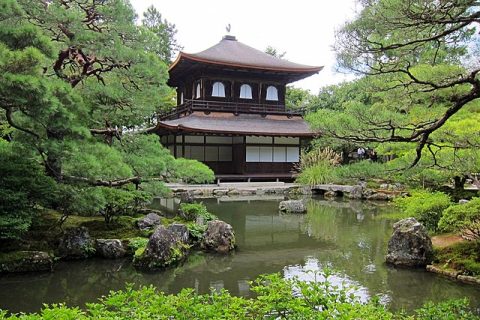
Ginkaku-ji (Silver Pavilion)
Ginkaku-ji, the Temple of the Silver Pavilion, was built in 1482 as a retirement villa for Shogun Ashikaga Yoshimasa. Despite its name, it was never coated in silver — it is celebrated for its exquisite dry sand garden and moss-covered landscape. Sitting at the northern end of the Philosopher's Path, the property exemplifies Higashiyama culture, emphasizing simplicity, wabi aesthetics, and Zen-influenced art of Muromachi Japan.
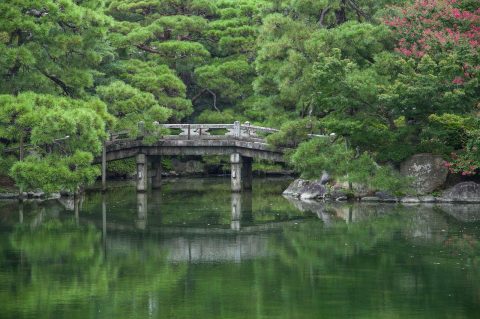
Togetsu-kyo Bridge
Togetsu-kyo Bridge, meaning 'Moon Crossing Bridge,' spans the Oi River in Arashiyama and has been a Kyoto landmark since the Heian period. The current wooden bridge dates to the 1930s and frames spectacular mountain views. In spring, cherry blossoms cascade over the banks; in autumn, the hills blaze crimson and gold. The bridge is the gateway to Arashiyama's bamboo groves, temples, and boat rental spots.
Nidec Kyoto Tower” (renamed April 1, 2024).
Nidec Kyoto Tower” (renamed April 1, 2024). stands 131 meters tall in the heart of the city, offering 360-degree panoramic views from its observation deck. Opened in 1964 and inspired by a traditional candle symbolizing light for travelers, it is the tallest structure in Kyoto. Located directly in front of Kyoto Station, it is a useful orientation point. Night views are particularly spectacular. KYOTO TOWER SANDO is a shopping, dining and experience complex.
Tips for Landmarks & Monuments
- Kinkaku-ji opens at 9 AM, so you cannot enter before 8:30; Fushimi Inari is open around the clock.
- Fushimi Inari summit hike is free and open 24 hours — pre-dawn visits are magical
- Many landmarks require entrance fees of ¥500–¥1,000; carry cash
- Combine Kinkaku-ji, Ryoan-ji, and Ninna-ji in one northern loop itinerary