Kyoto's gardens represent Japan's highest achievement in landscape design — meditative rock gardens, stroll gardens that unfold as theatrical sequences of views, and ancient forests that change color with the seasons.
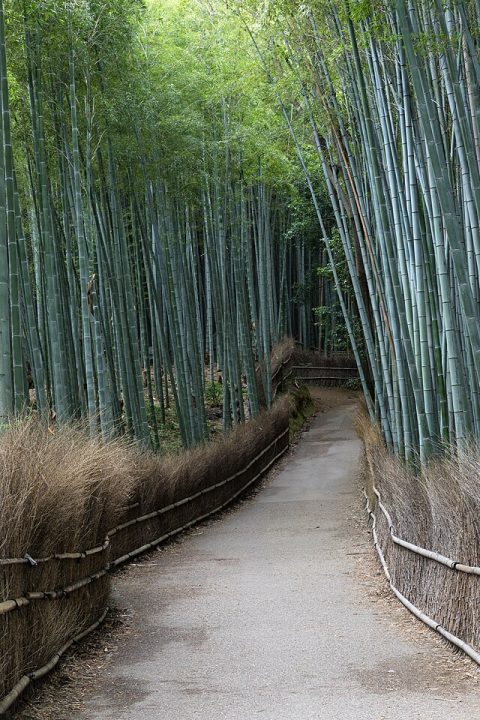
Arashiyama Bamboo Grove
The Arashiyama Bamboo Grove is one of Japan's most iconic natural landscapes — a towering canopy of bamboo stalks that filters light into an ethereal green glow and creates a distinctive rustling sound recognized as one of Japan's 100 best soundscapes. The main path runs 500 meters between Tenryu-ji's northern gate and Nonomiya Shrine. Most immersive at first light, when low mist drifts between the stalks and the path is nearly empty.
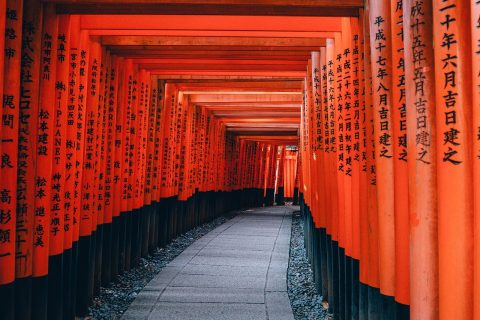
Philosopher's Path (Tetsugaku-no-Michi)
The Philosopher's Path is a 2-kilometer stone-paved canal walk connecting Ginkaku-ji to Nanzen-ji through a tunnel of cherry trees. Named for philosopher Nishida Kitaro, who used it for daily meditation, the path passes small shrines, cafes, and pottery studios. It is Kyoto's most celebrated cherry blossom walk in late March to early April, when petals drift across the canal. A rare peaceful corridor connecting major temple destinations.
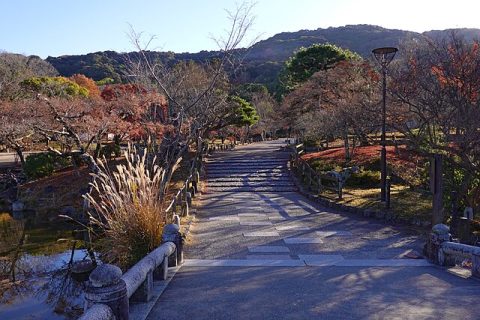
Maruyama Park
Maruyama Park is Kyoto's most celebrated public park and premier cherry blossom destination. Its famous shidarezakura (weeping cherry tree), floodlit at night, is one of Japan's most photographed blossoms. Located adjacent to Yasaka Shrine and Chion-in in Gion, the park is a beloved gathering place year-round. During hanami season, food stalls fill the paths and picnic blankets cover every lawn.
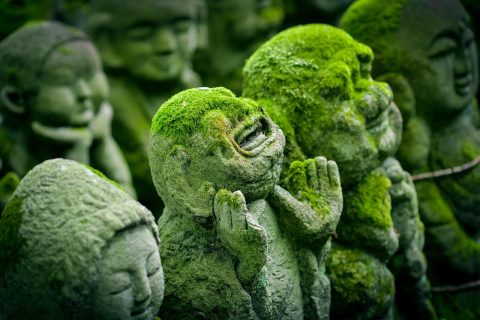
Tenryu-ji Garden
Tenryu-ji Garden is the finest example of Muromachi-period landscape design and a UNESCO World Heritage Site. Created in 1255 by Zen master Muso Soseki, the garden uses the Arashiyama mountains as borrowed landscape (shakkei), incorporating them into the composition of a central pond and stone arrangements. The view across the pond toward the mountains is one of Kyoto's most sublime. Vegetarian Zen cuisine (shojin ryori) is served within the temple grounds.
Tips for Parks & Gardens
- Cherry blossom season (late March to mid April) is Kyoto's most crowded period — book accommodations 6+ months in advance
- Autumn foliage (mid-November) is equally spectacular and equally crowded
- The Bamboo Grove is free; visit before 7:30 AM or after 5 PM for photography without crowds
- Tenryu-ji charges separate entry for the garden (¥500) and the main hall (¥300)