With over 1,600 Buddhist temples and 400 Shinto shrines, Kyoto is the spiritual heartland of Japan. Each site carries centuries of ritual, architecture, and meditative landscape design.
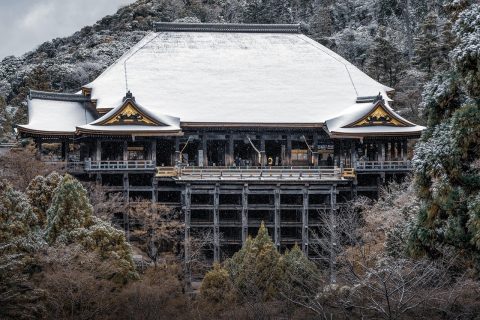
Kiyomizu-dera Temple
Kiyomizu-dera, founded in 778 AD, is Kyoto's most beloved temple and a UNESCO World Heritage Site. Its famous wooden stage, built without nails, juts 13 meters above a forested hillside offering sweeping city views. The Otowa waterfall below divides into three streams — visitors drink from them for longevity, academic success, and a fortunate love life. The surrounding Higashiyama district, with stone-paved lanes and traditional shops, is one of Kyoto's most atmospheric walks.

Ryoan-ji Temple & Rock Garden
Ryoan-ji houses the world's most celebrated Zen rock garden — 15 carefully placed stones on raked white gravel, framed by earthen walls stained with centuries of moss. Founded in 1450, the garden's meaning remains deliberately ambiguous: no matter where you stand, one stone is always hidden. The surrounding grounds include a large mirror pond and ancient cedar trees. A UNESCO World Heritage Site, best experienced in contemplative silence during quiet morning hours.
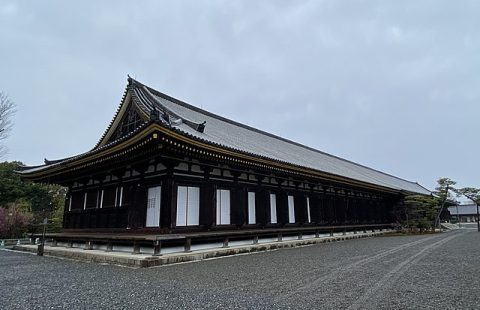
Sanjusangen-do
Sanjusangen-do is a remarkable 12th-century hall containing 1,001 life-size gilded wooden statues of Kannon, the Buddhist goddess of mercy, arranged in 50 rows stretching 120 meters. At the center sits a towering principal Kannon flanked by 28 guardian deities. The hall, rebuilt in 1266, is a masterpiece of Kamakura-period Buddhist sculpture. Visitors may not photograph the interior, which adds to the solemn, awe-inspiring atmosphere.
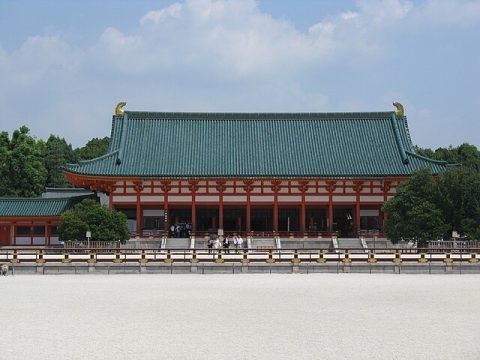
Heian Shrine
Heian Shrine was built in 1895 to commemorate the 1,100th anniversary of Kyoto's founding. It enshrines Emperor Kanmu, the city's founder, and Emperor Komei. The shrine's vermillion and white architecture is a scaled replica of the original Heian Palace. Its surrounding stroll garden features a famous wisteria bridge in spring. The annual Jidai Matsuri Festival (October 22) departs from here in spectacular historical procession.
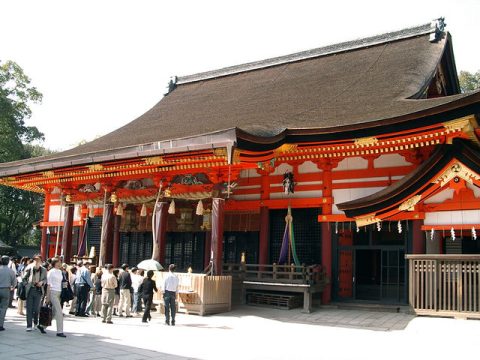
Yasaka Shrine
Yasaka Shrine presides over the eastern end of Shijo Avenue in Gion and has been a center of Kyoto's spiritual life since the 7th century. It hosts the famous Gion Matsuri, Japan's greatest festival (July), when elaborate floats parade through the streets. The adjacent Maruyama Park is Kyoto's premier cherry blossom spot, with the famous weeping cherry tree illuminated after dark in spring.

Tofuku-ji Temple
Tofuku-ji, founded in 1236, is one of Kyoto's Five Great Zen Temples. It is home to four spectacular dry gardens designed by Mirei Shigemori in 1939, blending traditional Zen aesthetics with modernist geometric patterns. The temple is most famous for its autumn foliage — the maple-filled ravine crossed by the Tsutenkyo Bridge turns crimson in November, drawing enormous crowds. The main hall contains several National Treasure artworks.
Tips for Religious Sites
- Temple admission typically ranges from ¥400–¥800; carry cash as many do not accept cards
- Dress modestly — shoulders and knees covered are respectful at religious sites
- Remove shoes when entering temple interiors; wear slip-on footwear for convenience
- Early morning (7–9 AM) offers peaceful temple visits before tour groups arrive