Kyoto's museums span millennia of Japanese history, from imperial treasures to contemporary manga, offering deep insights into the artistic and cultural soul of Japan's ancient capital.
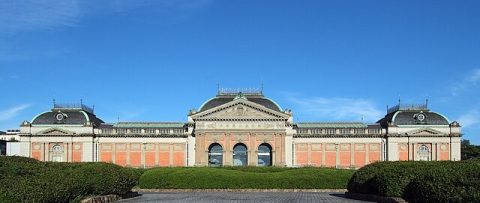
Kyoto National Museum
Kyoto National Museum houses over 13,000 items spanning Japanese art from the Heian through the Edo period. The permanent collection includes National Treasures and Important Cultural Properties — Buddhist sculptures, Noh costumes, lacquerware, and scroll paintings. The Heisei Chishinkan wing, designed by Yoshio Taniguchi and opened in 2014, is a masterpiece of modern museum architecture. Located adjacent to Sanjusangen-do, it is essential for understanding Kyoto's artistic legacy.
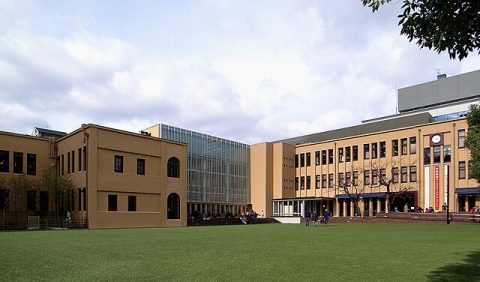
Kyoto International Manga Museum
Kyoto International Manga Museum occupies a converted 1920s elementary school and holds over 300,000 manga volumes in multiple languages. Visitors can freely pull any book from the shelves and read on the lawn or in reading rooms. The museum documents manga's history from the Meiji era to present and hosts rotating exhibitions by contemporary artists. It is a collaborative institution between Kyoto City and Kyoto Seika University.
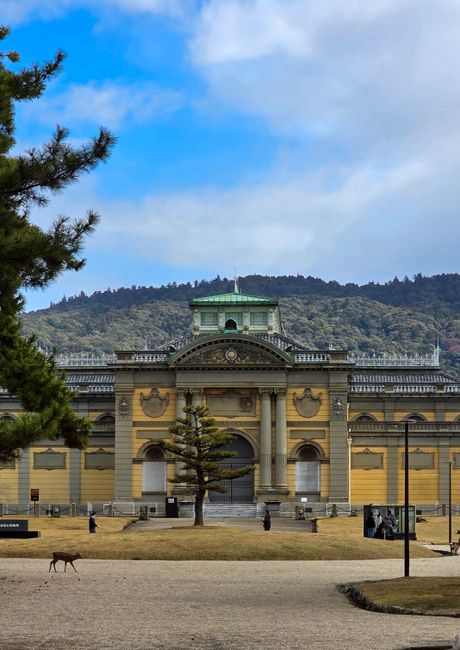
The Museum of Kyoto
The Museum of Kyoto is located in a Meiji-era bank building and traces Kyoto's 1,200-year history as Japan's imperial capital. Exhibits cover the city's evolution through Heian, Kamakura, Muromachi, and Edo periods, with audiovisual reconstructions of ancient street life. The lower level recreates a Meiji-era townhouse and merchant street. The museum also hosts traditional craft demonstrations and academic symposia on Kyoto's heritage.
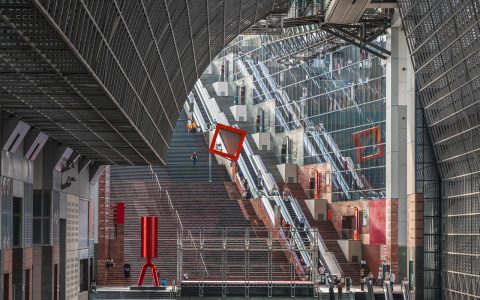
Nishijin Textile Center
Nishijin Textile Center showcases the 1,200-year tradition of Nishijin-ori weaving — the highly skilled craft producing Kyoto's most prized kimono fabrics. The center holds daily kimono fashion shows, weaving demonstrations on traditional looms, and exhibitions of historical textiles. Visitors can rent kimono for photo sessions and watch artisans weave intricate silk brocades used in Japan's most formal garments, including those worn at imperial ceremonies.
Tips for Museums & Galleries
- The Kyoto National Museum is closed on Mondays — plan accordingly
- Purchase a combination ticket if visiting multiple municipal museums
- Check museum websites for special exhibitions which often require advance booking